Proximity sensors are critical components in modern industrial automation, robotics, and safety systems. These devices detect the presence or absence of objects without physical contact, relying on electromagnetic fields, infrared light, or ultrasonic waves. Proper testing ensures their reliability and accuracy in diverse applications. This guide compiles essential testing videos and methodologies to help engineers and technicians validate sensor performance effectively.
The first step in testing proximity sensors involves understanding their operating principles. Inductive sensors, for instance, detect metallic objects by generating an electromagnetic field. Capacitive sensors respond to both metallic and non-metallic materials by measuring changes in capacitance. Photoelectric sensors use light beams to detect objects, while ultrasonic sensors rely on sound waves. Each type requires specific testing procedures to verify functionality.
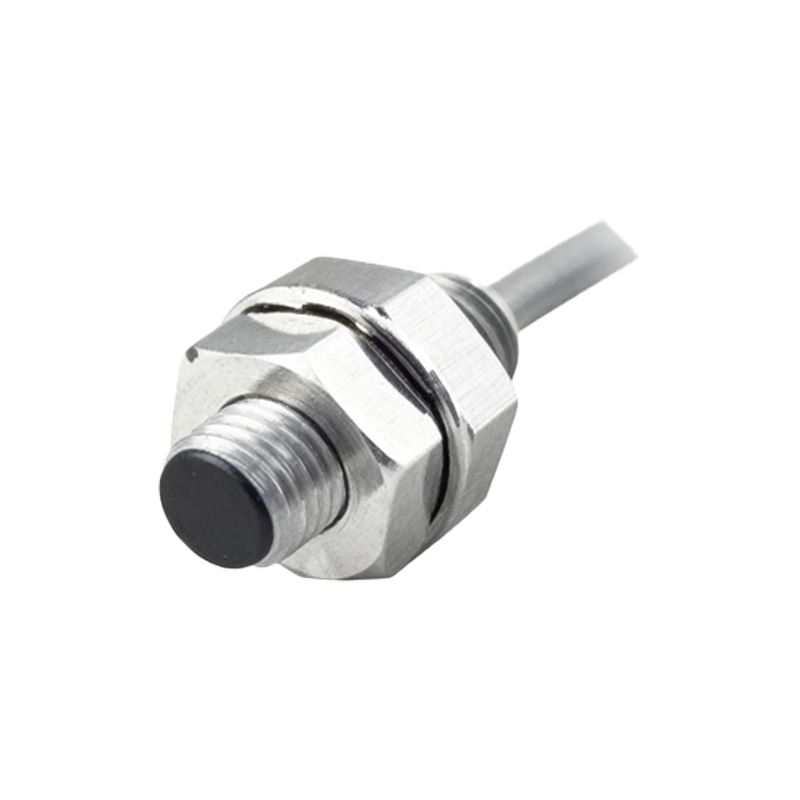
A comprehensive testing video series should begin with visual inspection and installation checks. Proper alignment, mounting, and environmental factors like temperature, humidity, and interference can significantly impact sensor performance. Videos demonstrating common installation errors—such as incorrect gap settings or misalignment—help viewers avoid operational failures. For example, a video titled "Inductive Sensor Alignment Techniques" shows how to use calibration tools to optimize detection ranges.
Electrical testing is another crucial aspect. Videos covering voltage and current measurements provide insights into sensor behavior under different loads. Using multimeters or oscilloscopes, technicians can verify output signals (e.g., PNP/NPN configurations) and response times. A detailed video on "Testing Sensor Output with PLC Integration" illustrates how to connect sensors to programmable logic controllers and monitor signal consistency in real-time.
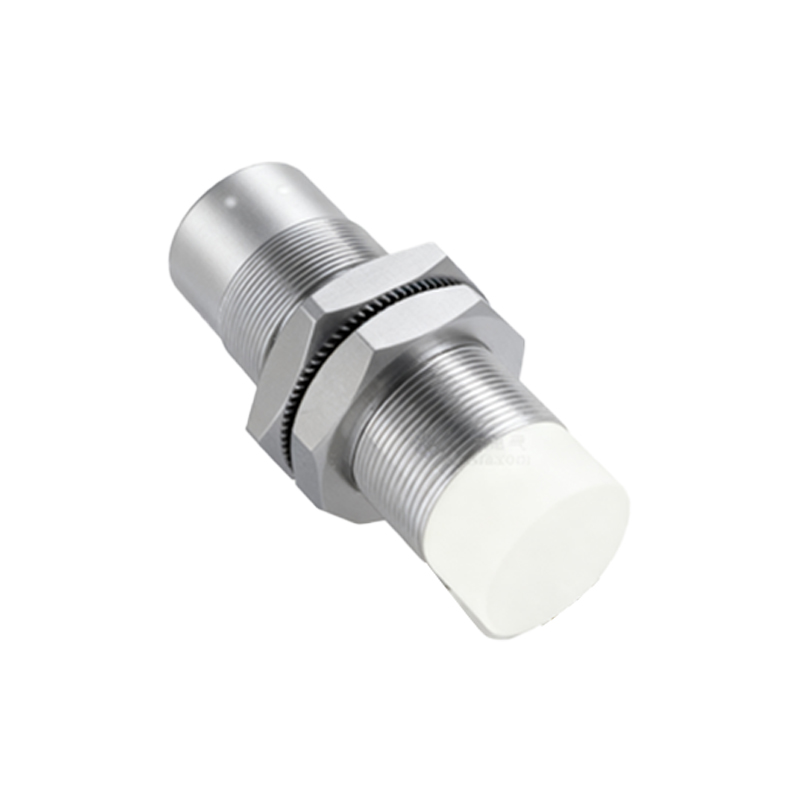
Environmental testing videos address challenges like exposure to dust, moisture, or extreme temperatures. For instance, a video showcasing "IP-Rated Sensor Durability Tests" demonstrates waterproof and dust-resistant capabilities through simulated conditions. Additionally, electromagnetic interference (EMI) testing videos explain how to shield sensors from nearby motors or high-frequency devices to prevent false triggers.
Application-specific testing videos are invaluable for industry professionals. In automotive manufacturing, sensors must detect precise part positions on assembly lines. A video titled "Proximity Sensors in Robotic Welding" highlights testing for repeatability and speed in high-precision tasks. Similarly, in packaging industries, videos on "Sensor Testing for Conveyor Systems" focus on object counting and jam detection.
Advanced testing techniques, such as using simulation software or automated test benches, are covered in expert-level videos. These resources guide engineers in creating virtual environments to model sensor interactions with various materials and distances. For example, a video on "Finite Element Analysis for Sensor Design" explores magnetic field simulations for inductive sensors.
Troubleshooting videos round out the collection by addressing common issues like sensor drift, intermittent failures, or reduced range. Step-by-step tutorials on diagnostic tools—such as signal analyzers or infrared thermometers—help viewers identify and resolve problems efficiently. A popular video, "Quick Fixes for False Triggering," offers practical tips on grounding and filtering noise.
In summary, this video compilation serves as a dynamic resource for mastering proximity sensor testing. By combining theoretical knowledge with hands-on demonstrations, it empowers professionals to ensure optimal sensor performance across industries. Regular testing not only extends sensor lifespan but also enhances system safety and efficiency.