Capacitive proximity sensors are widely used in industrial automation, consumer electronics, and safety systems due to their non-contact detection capability. Unlike inductive sensors that detect metallic objects, capacitive sensors can detect a wide range of materials, including liquids, plastics, glass, and organic substances. The core functionality relies on changes in capacitance, which is influenced by the sensor's structural design.
The basic structure of a capacitive proximity sensor consists of several key components. The sensing element, often a metal plate or electrode, forms one plate of a capacitor. This electrode is typically embedded in the sensor face, which is made from a dielectric material such as PTFE or ceramic. The dielectric material serves to protect the electrode and focus the electric field. Behind the sensing electrode lies an oscillator circuit that generates a high-frequency electric field. This field projects from the active surface of the sensor into the surrounding environment.
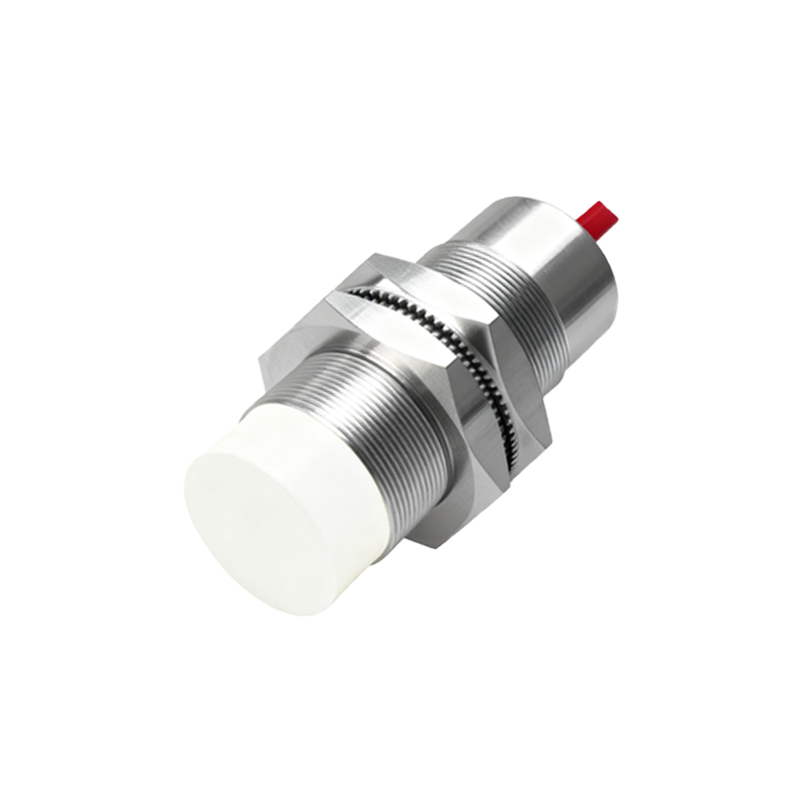
A critical part of the internal structure is the guard ring or guard electrode. This is a concentric conductive ring surrounding the main sensing electrode. It is driven at the same potential as the sensing electrode itself. The purpose of the guard ring is to shape the electric field, directing it forward in a focused beam rather than allowing it to fringe sideways. This design significantly increases the sensor's stability and range by preventing false triggers from objects approaching from the sides. It also compensates for the effects of contaminants like dust or moisture on the sensor face.
The sensor housing, usually made of metal or robust polymer, contains the electronics and shields them from external electromagnetic interference (EMI). Inside, the oscillator, signal conditioner, and output switching circuit are mounted on a printed circuit board (PCB). The oscillator creates the alternating electric field. When a target object enters this field, it alters the dielectric constant between the sensor electrode and ground (or the sensor's internal reference ground). Even non-conductive materials have a higher dielectric constant than air, causing a measurable increase in capacitance.
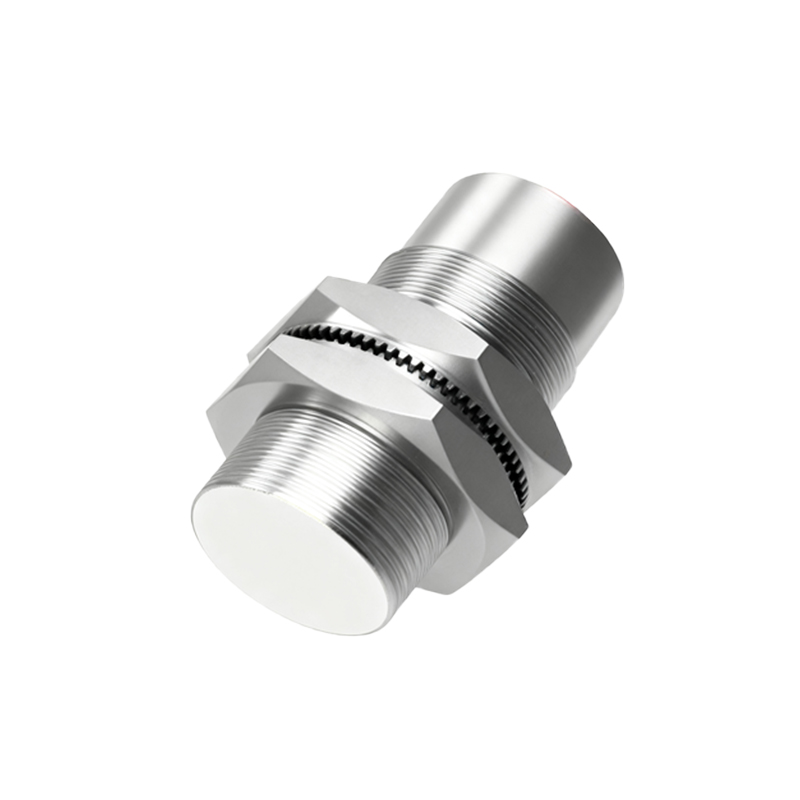
This change in capacitance affects the amplitude of the oscillator's signal. The signal conditioning circuitry, which includes a threshold detector and Schmitt trigger, monitors this amplitude. Once the change exceeds a preset threshold—corresponding to a specific sensing distance—the output circuit switches state. This output can be a digital signal (PNP/NPN), analog voltage, or current, signaling the presence of the object.
The sensing range is determined by the size of the electrode, the dielectric constant of the sensor face material, and the oscillator frequency. Larger electrodes generally provide longer ranges. The sensor must be properly installed, with adequate clearance from surrounding conductive materials (flush or non-flush mounting specifications) to ensure the electric field is not prematurely loaded.
Modern capacitive sensors often incorporate compensation algorithms in their microcontroller to handle environmental drift, such as temperature and humidity changes. Advanced designs may feature adjustable sensitivity via potentiometers or teach-in buttons, allowing fine-tuning for specific applications like liquid level detection or material thickness monitoring.
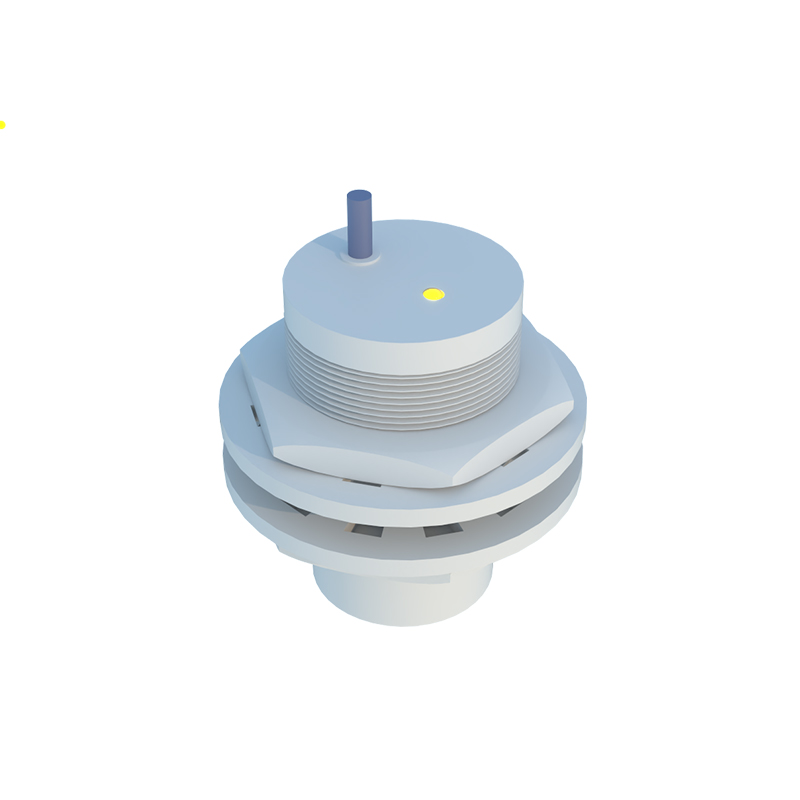
In summary, the effectiveness of a capacitive proximity sensor is a direct result of its meticulous structural design—from the geometry of the sensing electrode and guard ring to the internal shielding and circuit layout. This structure enables reliable, versatile non-contact detection across countless industries.