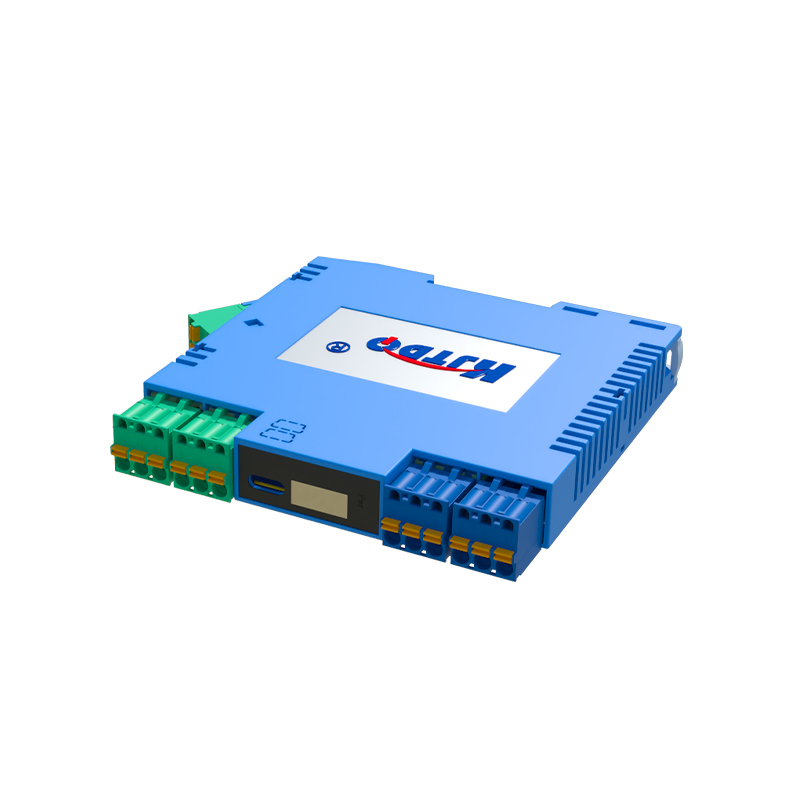
Proximity sensors are indispensable components in modern rail systems, offering reliable detection and measurement capabilities that enhance safety, efficiency, and automation. In rail applications, these sensors are specifically designed to withstand harsh environmental conditions, including extreme temperatures, vibrations, moisture, and electromagnetic interference. Their primary function is to detect the presence or absence of objects—such as trains, switches, or barriers—without physical contact, using technologies like inductive, capacitive, or ultrasonic sensing.
Inductive proximity sensors are widely used in rail environments due to their robustness and ability to detect metallic objects. They operate by generating an electromagnetic field and monitoring changes caused by metallic targets. For instance, they can be installed along tracks to monitor train wheel axles, ensuring proper alignment and detecting derailments. Capacitive sensors, on the other hand, are suitable for non-metallic materials, making them ideal for monitoring cargo or infrastructure components like plastic or composite parts. Ultrasonic sensors provide distance measurement capabilities, useful in applications such as platform gap monitoring or obstacle detection at railway crossings.
The integration of proximity sensors in rail systems contributes significantly to operational efficiency. Automated train control systems rely on these sensors for real-time data on train positions, enabling precise scheduling and reducing the risk of collisions. In maintenance, sensors help monitor wear and tear on tracks and rolling stock, allowing for predictive maintenance that minimizes downtime and extends equipment lifespan. Additionally, safety mechanisms—like door control systems in passenger trains or signal activation at level crossings—depend on accurate sensor inputs to prevent accidents.
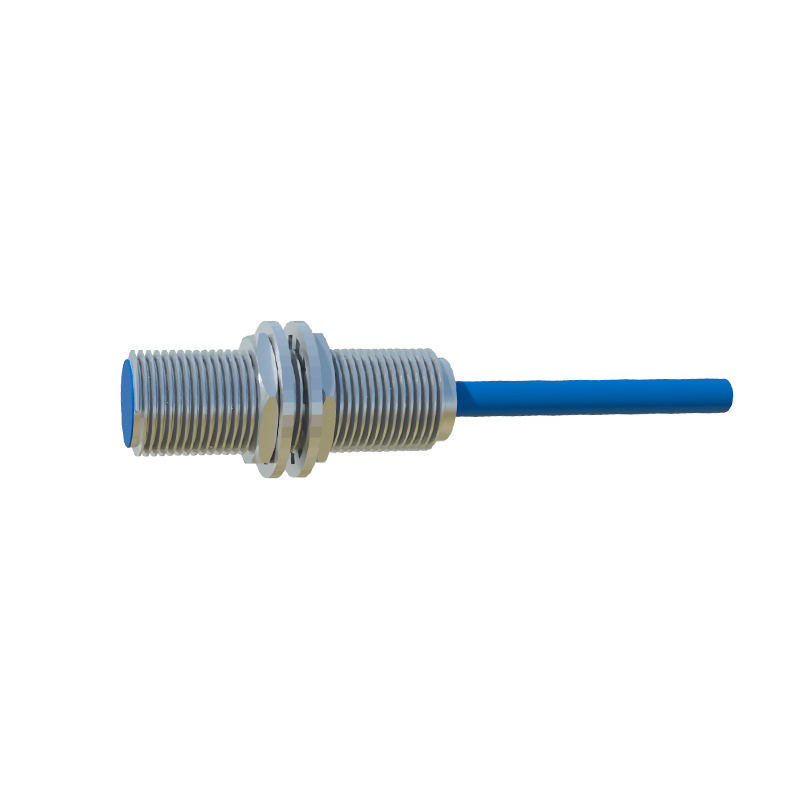
When selecting proximity sensors for rail applications, engineers must consider factors such as sensing range, response time, and environmental durability. Sensors should be rated for high IP (Ingress Protection) levels to resist dust and water ingress, and they must comply with industry standards like EN 50155 for railway electronics. Proper installation and calibration are crucial to ensure reliable performance, as misalignment or interference can lead to false readings. Regular testing and maintenance, including checks for contamination or damage, help sustain sensor accuracy over time.
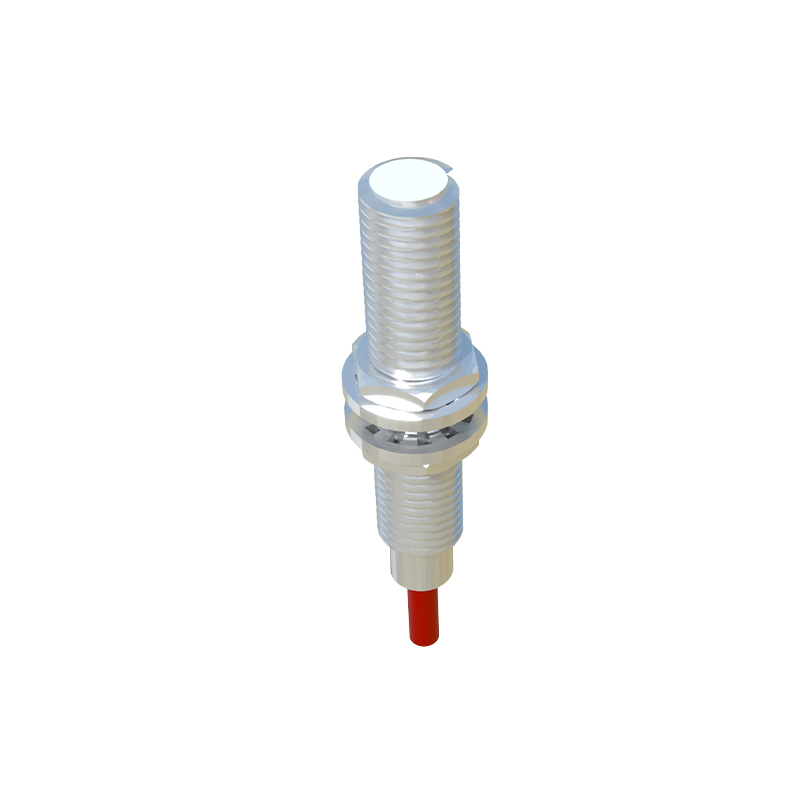
Advancements in sensor technology continue to drive innovation in the rail sector. Smart sensors with IoT connectivity enable remote monitoring and data analytics, facilitating predictive maintenance and system optimization. For example, wireless proximity sensors can transmit real-time information to central control units, allowing operators to respond swiftly to anomalies. As rail networks evolve toward greater automation and sustainability, proximity sensors will play an increasingly vital role in ensuring safe, efficient, and intelligent transportation solutions.
In summary, proximity sensors are critical to the functionality and safety of rail systems. Their ability to operate reliably under demanding conditions makes them a cornerstone of modern railway engineering. By leveraging appropriate sensor technologies and adhering to best practices in installation and maintenance, rail operators can enhance system performance, reduce operational costs, and improve passenger safety. As the industry embraces digital transformation, the future of rail applications will undoubtedly see even more sophisticated sensor integrations, paving the way for smarter and more resilient infrastructure.