Magnetic proximity sensors have become indispensable components in modern industrial automation, automotive systems, and smart device manufacturing. The supply chain for these critical devices involves a complex network of manufacturers, distributors, and integrators, each playing a vital role in ensuring availability and technological advancement. This article explores the current landscape of magnetic proximity sensor supply, examining the driving forces behind market demand and the challenges faced by suppliers worldwide.
The core technology behind magnetic proximity sensors relies on detecting the presence or absence of a magnetic field, typically generated by a permanent magnet or an electromagnet. These non-contact sensors offer significant advantages over mechanical switches, including longer operational life, higher reliability in harsh environments, and immunity to contamination from dust, oil, or moisture. Major industries driving demand include automotive (for position sensing in transmissions, braking systems, and seat detection), factory automation (for machine safety, conveyor systems, and robotic positioning), and consumer electronics (in laptops, smartphones, and home appliances for lid/door detection).
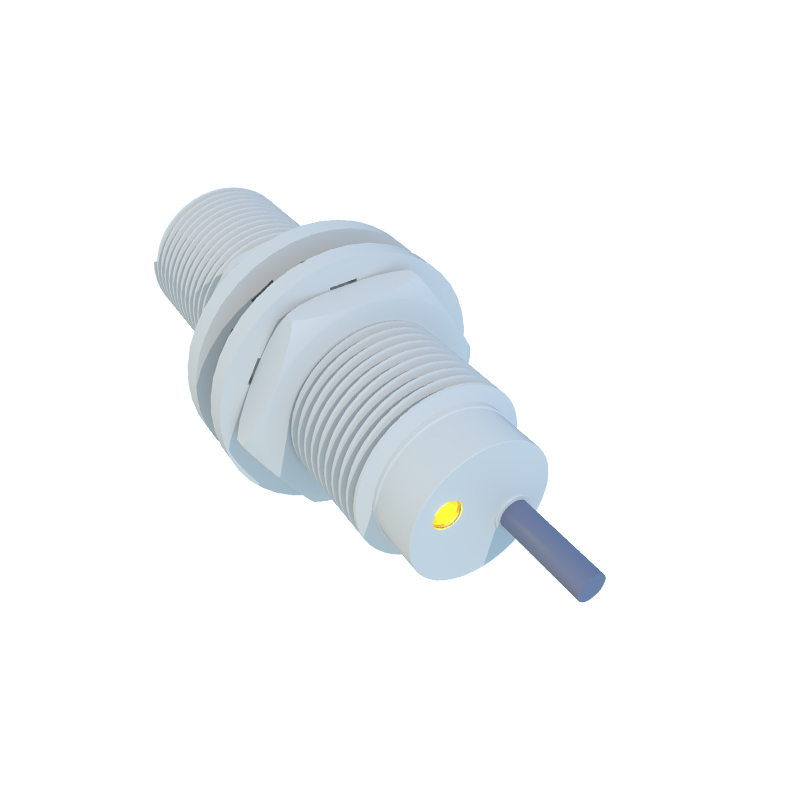
From a supply perspective, the market is characterized by both large multinational corporations and specialized niche manufacturers. Leading global suppliers have established extensive distribution networks and offer broad portfolios with varying sensing ranges, housing materials (such as brass, stainless steel, or PBT plastic), output types (PNP/NPN, NO/NC, analog, or IO-Link), and form factors. These companies invest heavily in research and development to produce sensors with improved sensitivity, smaller footprints, lower power consumption, and enhanced resistance to extreme temperatures and electromagnetic interference.
However, the supply chain is not without its challenges. The global semiconductor shortage that began in 2020 had a ripple effect on sensor manufacturing, as many magnetic proximity sensors incorporate integrated circuits for signal processing. This highlighted vulnerabilities in just-in-time manufacturing models and prompted many OEMs to reassess their inventory strategies. Suppliers have responded by diversifying their component sources, increasing safety stock for critical parts, and offering alternative product versions with different chipset architectures.
Another significant factor is the push towards miniaturization and Industry 4.0 compatibility. End-users increasingly demand smaller sensors that can be embedded in compact machinery while providing digital communication capabilities for predictive maintenance and data integration into Industrial Internet of Things (IIoT) platforms. This technological shift requires suppliers to continuously innovate, which in turn affects production cycles and inventory management. The supply of sensors with advanced features like programmable parameters, diagnostic functions, and high-speed switching often involves longer lead times compared to standard variants.
Regional dynamics also play a crucial role in the supply ecosystem. Manufacturing hubs in Asia, particularly in China, Japan, and South Korea, account for a substantial portion of global production. Meanwhile, Europe and North America remain strong in high-precision, application-specific sensor manufacturing. Trade policies, tariffs, and logistics costs directly impact the final price and delivery timelines for buyers. Many suppliers are now exploring regionalization strategies, establishing production facilities closer to key customer markets to mitigate supply chain risks and reduce transportation delays.
For procurement specialists and design engineers, selecting a reliable supplier involves evaluating several criteria beyond just unit price. Technical support, customization capabilities, documentation quality, compliance with international standards (like ATEX for hazardous areas or IP ratings for ingress protection), and the supplier's financial stability are all critical considerations. Established suppliers often provide comprehensive online resources, configuration tools, and 3D models to facilitate integration into machine designs.
The future of magnetic proximity sensor supply appears closely tied to broader trends in automation, electric vehicle production, and smart infrastructure. As these sectors expand, demand for robust, accurate, and connected sensing solutions will continue to grow. Suppliers that can balance innovation with supply chain resilience, offer flexible logistics solutions, and provide strong technical partnerships are likely to thrive. The market is evolving from a transactional component supply model toward a more collaborative, solution-oriented approach where sensors are integral to system performance and operational intelligence.