In the realm of modern electronics, sensors act as the crucial interface between the physical world and digital systems. Among the most prevalent are light sensors and proximity sensors, each playing a distinct yet sometimes overlapping role in a vast array of devices we use daily. Understanding their fundamental principles, types, and applications reveals the sophistication behind seemingly simple automated functions.
Light sensors, fundamentally, are devices that detect and measure the intensity of ambient light. They convert photons (light energy) into an electrical signal. The most common type is the photoresistor or Light Dependent Resistor (LDR). An LDR's resistance decreases as the intensity of light incident on it increases. This simple property makes it ideal for automatic night lights, streetlight control, and photographic exposure meters. Another prevalent type is the photodiode, which operates in reverse bias and generates a current proportional to the light intensity. Photodiodes are faster and more sensitive than LDRs, finding use in optical communication, barcode scanners, and precision light meters. Phototransistors offer even higher sensitivity by combining the light-detecting capability of a photodiode with the current amplification of a transistor, commonly used in object detection and encoders. More advanced integrated solutions include ambient light sensors (ALS), which often incorporate photodiodes with infrared rejection filters to match the human eye's response, crucial for automatic display brightness adjustment in smartphones, tablets, and laptops.
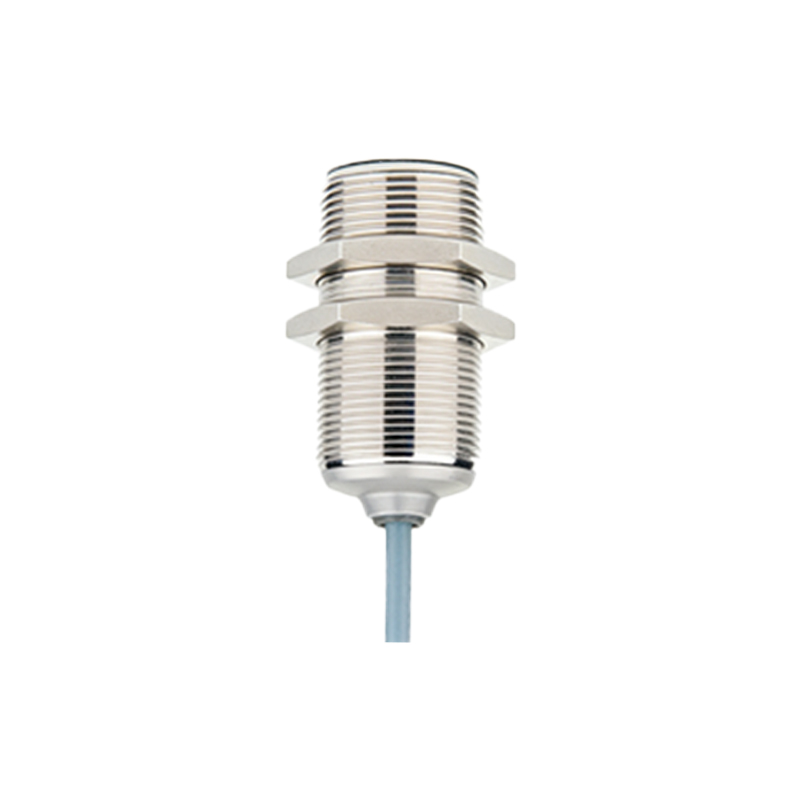
Proximity sensors, on the other hand, are designed to detect the presence or absence of an object within a certain range without physical contact. They do not necessarily need to determine the exact distance, though many can. A very common implementation, especially in consumer electronics, is the infrared (IR) proximity sensor. This system typically consists of an IR LED emitter and an IR photodiode receiver. The emitter sends out a beam of infrared light. When an object comes near, the light reflects back to the receiver. The sensor's circuitry detects this reflected signal and triggers an output. This is precisely how a smartphone knows to turn off its touchscreen during a phone call when held to the ear, preventing accidental touches. Ultrasonic proximity sensors use sound waves instead of light. They emit high-frequency sound pulses and measure the time it takes for the echo to return, calculating distance. These are used in automotive parking sensors, robotics, and industrial level measurement. Capacitive proximity sensors detect conductive or dielectric materials by changes in an electrical field. They can sense through non-metallic materials and are used in liquid level detection or touch-sensitive buttons. Inductive sensors are another major type, but they only detect metallic objects by disturbing a high-frequency electromagnetic field, making them staples in factory automation.
The convergence of these technologies is particularly interesting. Many modern devices combine an ambient light sensor and an IR proximity sensor into a single module. This combination allows a device to not only adjust screen brightness based on environmental light but also to disable the screen and touch input when held close to the user's face. This dual functionality optimizes both user experience and power consumption.

Applications extend far beyond smartphones. In automotive systems, light sensors enable automatic headlight control, while proximity sensors are integral to parking assistance, blind-spot monitoring, and collision avoidance. In industrial automation, proximity sensors are indispensable for object counting, position verification, and machine safety. Light sensors control lighting in smart buildings for energy efficiency and are key components in optical smoke detectors. In robotics, both sensor types provide essential environmental awareness for navigation and object manipulation.
Choosing between a light sensor and a proximity sensor depends entirely on the required function. If the goal is to measure light intensity or respond to changes in illumination, a dedicated light sensor is appropriate. If the need is to detect the presence or approach of an object within a defined range, a proximity sensor is the correct choice. Engineers often consider factors like detection range, material of the target object, response speed, environmental conditions (like dust or ambient light interference), and cost.
The evolution of these sensors continues, driven by demands for smaller size, lower power consumption, higher accuracy, and smarter integrated signal processing. As the Internet of Things (IoT) expands, the role of reliable, efficient light and proximity sensing will only grow more critical, embedding ever-greater intelligence into our interactive environments.