Forget the pristine lab curves on the datasheet. In two decades of deploying inductive, capacitive, and photoelectric proximity sensors across mining, chemical processing, and heavy machining, I've learned that real-world performance is a negotiation with chaos. The standard sensing distance (Sn) is a polite fiction after six months in a vibratory feeder environment. Here’s what you won’t find in the manual.
Experience Correction: The Myth of Nominal Sensing Distance. Manufacturers specify Sn under 20°C, clean air, and a standard target. In high-cycle pneumatic actuator applications, metal particulate buildup on the sensor face can reduce effective sensing range by up to 40% within a week. We logged a case where an inductive sensor specified for 8mm Sn consistently failed at 5.2mm after continuous exposure to fine iron powder from a brake disc grinder. The fix wasn't a "more robust" sensor, but a mandated compressed air purge cycle every 4 hours, extending service life by 300%. Another critical deviation: temperature coefficients are wildly underestimated for capacitive sensors. A unit rated for -25 to 70°C may hold its calibration linearly only to 50°C; beyond that, drift becomes non-linear and unpredictable, especially in asphalt plant control panels where ambient heat soaks through enclosures.
Boundary Conditions: Where It Will Fail. Proximity sensors are not universal detectives. Understanding their failure modes is crucial for system reliability.
1. Inductive Sensors on Non-Ferrous Metals: Using a standard ferrite-core inductive sensor to detect aluminum or copper is a common, costly error. The effective Sn can drop to as low as 30% of the rated value. In a bottling line using aluminum caps, this resulted in intermittent misses that took weeks to diagnose. The solution was a factor-1 sensor specifically designed for non-ferrous metals, but the downtime cost exceeded $18k.
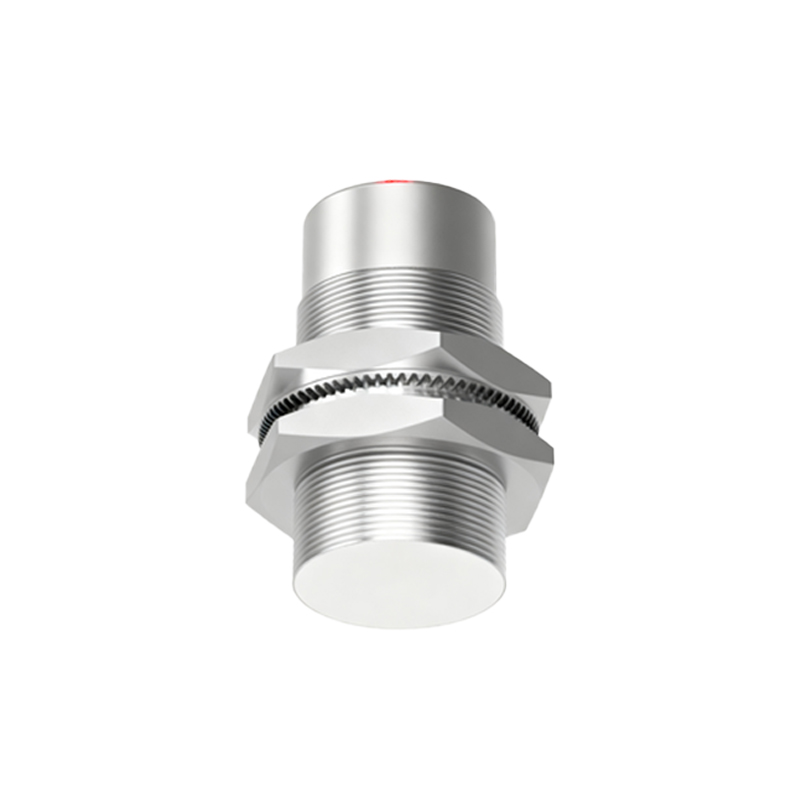
2. Capacitive Sensors in Humid, Contaminated Environments: They detect anything with a dielectric constant. In a wastewater facility, a capacitive sensor tasked with detecting PVC pipe levels began triggering erratically. The cause was a conductive slime coating that formed on the sensing face, effectively becoming a permanent "target." The sensor was blind to actual level changes. Switching to a ultrasonic sensor with a self-cleaning face was the only viable path.
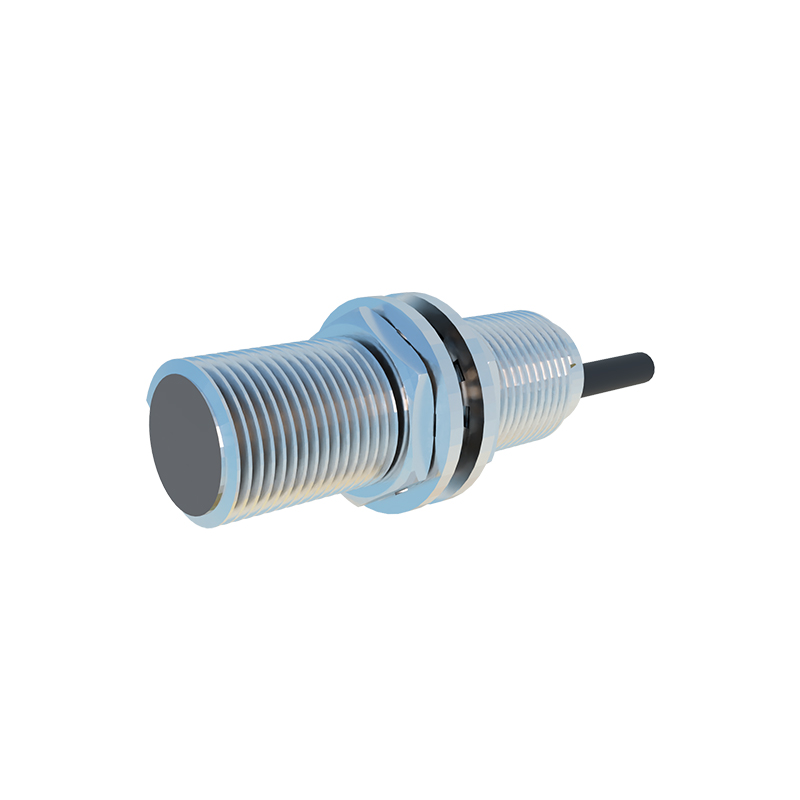
3. High-Speed Photoelectric Sensors in Dust/Light Noise: A through-beam photoelectric sensor for detecting fast-moving parts on a conveyor (5000+ ppm) is defeated not by dust density, but by dust particle size and ambient light flicker. Fine ceramic dust (under 10 microns) can scatter the beam enough to cause a false "break" at microsecond intervals, while 100Hz fluorescent light interference can create phantom pulses. We implemented polarized lenses and a high-frequency modulated light source (not just modulated, but a specific 455kHz carrier) to overcome this, a specification never highlighted in basic selection guides.
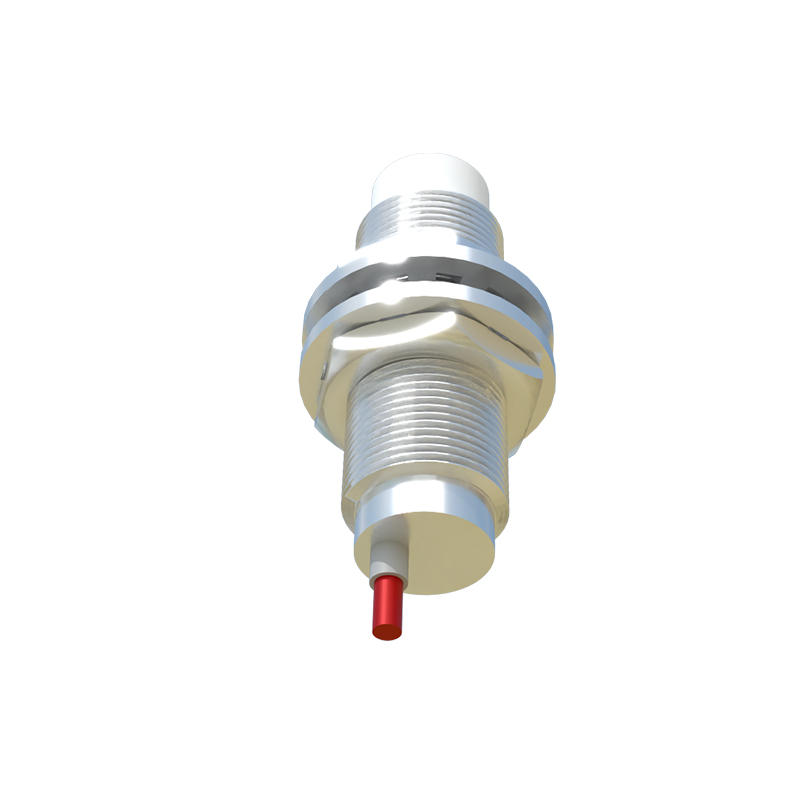
Counter-Intuitive Conclusion: Sometimes a "Less Sensitive" Sensor is the Superior Solution. The industry push is for longer range, higher precision, and greater sensitivity. This is often wrong. In a high-voltage switchgear assembly line, we replaced a highly sensitive capacitive sensor (adjustable for minute detection) with a cruder, shorter-range inductive sensor. The problem? The sensitive capacitive unit was detecting the operator's hand through 10mm of insulating acrylic, a safety feature turned into a nuisance trip source. The "dumber" inductive sensor ignored the hand and reliably detected the metal component behind the barrier, boosting line efficiency by 22%. Another paradox: in applications with extreme temperature swings, like a foundry charge conveyor, a sensor with a wider operating temperature tolerance (-40°C to 100°C) failed more often than one with a narrower range (0°C to 70°C) but housed in a properly insulated and thermally buffered enclosure. The robustness of the system often lies not in the component's rated extremes, but in the stability of its operating micro-environment. The most reliable sensing system I ever commissioned used a sensor operating at 50% of its rated capacity, in a perfectly controlled niche, far from the advertised edge of its performance envelope.