Universal proximity sensors have become a cornerstone of modern industrial automation and smart device design. Their core function is to detect the presence or absence of an object within a specified range without any physical contact. But the question remains: how good are they, really? The answer lies in their versatility, reliability, and the technological evolution that has made them more accessible and capable than ever before.
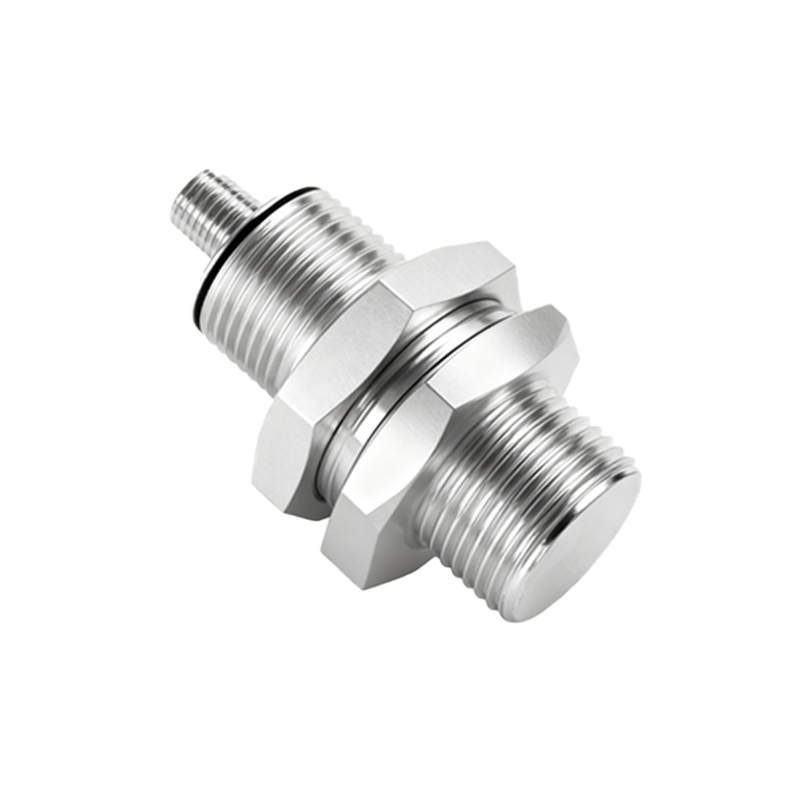
At their heart, universal proximity sensors operate on various principles, primarily inductive, capacitive, and photoelectric. Inductive sensors are the workhorses for detecting metallic objects. They generate an electromagnetic field, and when a metal target enters this field, it causes a change that the sensor detects. They are incredibly robust, resistant to environmental factors like dust, oil, and moisture, making them ideal for harsh manufacturing environments like automotive assembly lines or metal machining centers. Their reliability is exceptional, with lifespans often measured in millions of cycles.
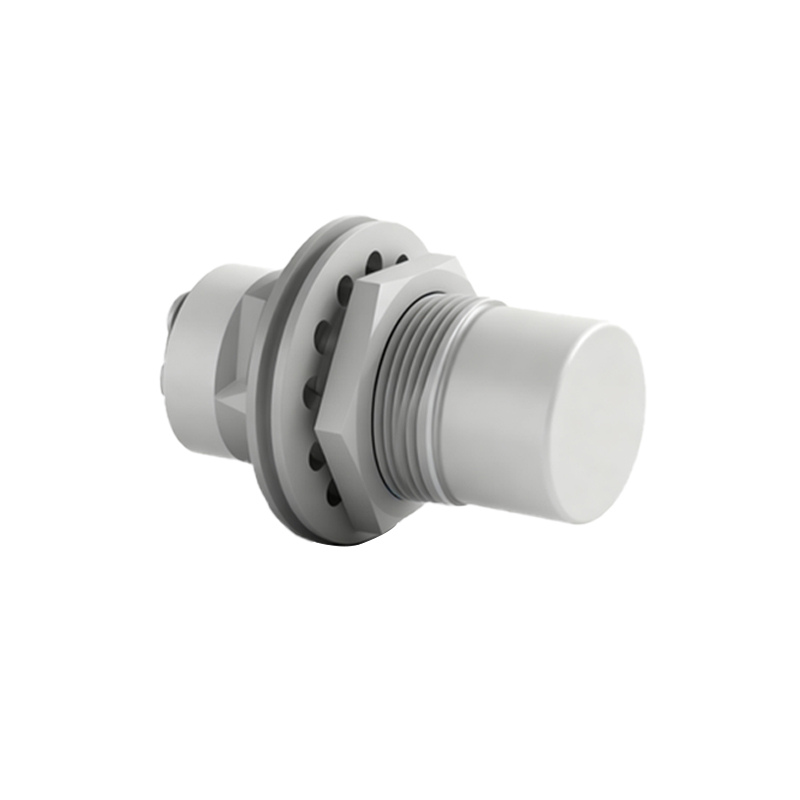
Capacitive sensors, on the other hand, can detect a wider range of materials, including liquids, plastics, wood, and granular substances. They work by measuring changes in capacitance. These sensors are perfect for applications like liquid level detection in tanks, monitoring non-metallic material flow, or even as touch-sensitive controls. Their flexibility is a significant advantage, though they can be more susceptible to environmental humidity than their inductive counterparts.
Photoelectric sensors use a beam of light (visible, infrared, or laser) to detect objects. They offer the longest sensing ranges and are excellent for detecting small objects or applications requiring precise positioning. You'll find them in packaging machinery, material handling systems, and safety curtains. The "universal" aspect often refers to sensors that offer configurable outputs (like NPN/PNP switching) or multi-voltage capabilities (e.g., 10-30V DC), allowing them to interface seamlessly with a wide array of control systems from different manufacturers, hence reducing inventory complexity.
So, what makes a universal proximity sensor "good"? Performance is measured by several key parameters. Sensing range is critical, and a good sensor provides a stable, repeatable detection distance. Response speed is another vital factor; high-speed sensors can detect objects passing by at very high frequencies, which is crucial for counting or high-speed production lines. Environmental resistance is paramount. A well-designed sensor boasts high ingress protection (IP) ratings, guarding against water and dust, and can withstand temperature extremes, vibration, and electrical noise common in industrial settings.
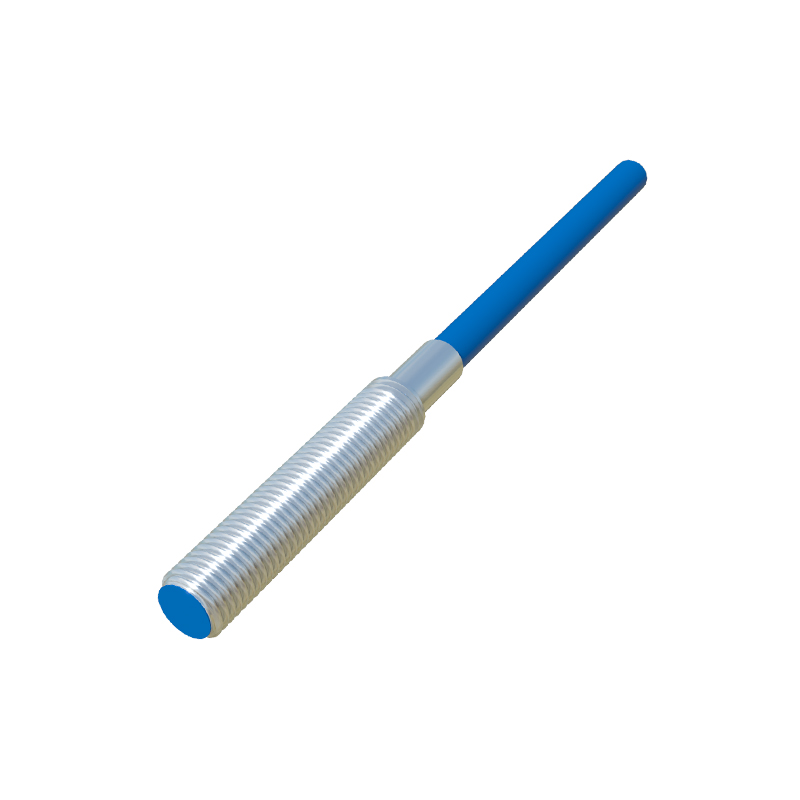
The advantages are clear. They enable non-contact sensing, which means no wear and tear from physical touch, leading to dramatically longer service life and reduced maintenance. They provide fast, precise responses that mechanical switches cannot match. Their solid-state design contributes to high reliability. From automating a simple conveyor belt to enabling complex robotic pick-and-place operations, these sensors are fundamental.
However, they are not without limitations. The sensing range, while sufficient for most applications, is physically limited, especially for inductive types. Certain materials can pose challenges; for instance, standard inductive sensors cannot detect non-metals. Environmental factors like extreme temperatures, heavy condensation, or strong electromagnetic interference can affect performance if the sensor is not specifically rated for those conditions. Furthermore, initial setup and alignment, particularly for photoelectric sensors, require some care.
In practical application, choosing the right sensor is essential. For a metal detection task in a dirty, oily environment, an inductive sensor is the unequivocal champion. For monitoring plastic bottle caps on a filling line, a capacitive or photoelectric sensor would be the correct choice. The term "universal" should not be mistaken for "one-size-fits-all"; it primarily refers to electrical compatibility. Understanding the specific target material, required range, environmental conditions, and necessary output signal is crucial for optimal performance.
In conclusion, universal proximity sensors are exceptionally good at what they are designed to do. Their technology is mature, proven, and continuously improving. They offer a blend of reliability, speed, and durability that is critical for efficiency and safety in countless applications. While selecting the appropriate type for the job is necessary, their overall value proposition in enabling automation and enhancing system intelligence is undeniable. For engineers and designers, they remain an indispensable and highly effective tool in the toolbox of modern technology.