The global explosion proof proximity sensor market is characterized by a wide range of pricing, influenced by a complex interplay of technical specifications, certifications, brand value, and market dynamics. Unlike standard industrial sensors, these devices are engineered to operate safely in hazardous environments where flammable gases, vapors, or combustible dusts may be present. This intrinsic safety requirement fundamentally impacts their cost structure. Understanding the factors behind the market price is crucial for procurement specialists, system integrators, and plant managers aiming to balance safety, reliability, and budget.
At the core of the price determinant is the certification and protection level. Sensors certified for use in Zone 0 or Zone 1 (gas) and Zone 20 or Zone 21 (dust) environments, adhering to stringent standards like ATEX, IECEx, UL, or CSA, command a significant premium. The rigorous testing, specialized materials, and complex housing designs needed to prevent ignition contribute directly to higher manufacturing costs. A sensor rated for a less hazardous area (e.g., Zone 2) will generally be more affordable than its Zone 1 counterpart, even if the sensing technology is similar.
The sensing technology itself is a major price driver. Inductive sensors, commonly used for detecting metallic objects, are typically the most cost-effective option within the explosion-proof category. Capacitive sensors, capable of detecting non-metallic materials, often come at a higher price point due to more complex circuitry. Ultrasonic and photoelectric explosion-proof sensors are generally at the higher end of the spectrum, reflecting their advanced technology and ability to handle more challenging detection tasks over longer distances. The choice of technology must align with the application to avoid unnecessary expenditure.
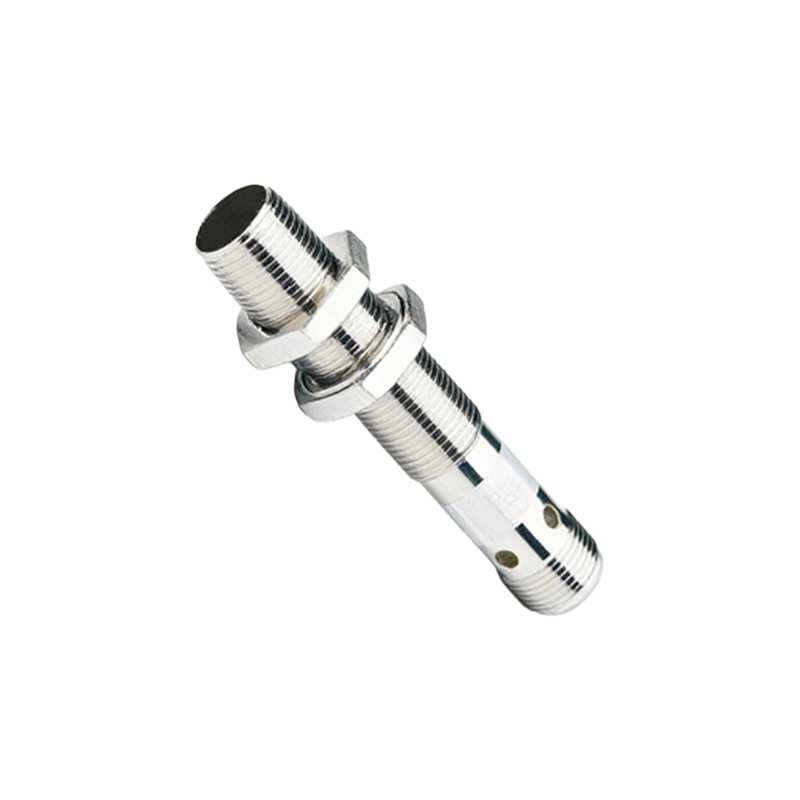
Construction materials and design robustness directly influence both performance and price. High-grade stainless steel (e.g., 316L), brass, or nickel-plated brass housings are standard for corrosion resistance and durability in harsh environments. The quality of the potting compound used to seal internal electronics against moisture and vibration also varies. Premium sensors feature military-grade connectors, laser-etched markings for longevity, and superior ingress protection (IP69K). These material choices, while increasing the unit price, reduce total cost of ownership by minimizing failures and downtime.
Brand reputation and supply chain logistics play a substantial role in market pricing. Established global manufacturers with decades of experience in hazardous area equipment, such as Pepperl+Fuchs, Siemens, or Turck, often price their products higher. This premium reflects proven reliability, extensive global certification portfolios, comprehensive technical support, and robust warranty terms. In contrast, newer entrants or regional suppliers may offer more competitive quotes, but buyers must diligently verify certification authenticity and long-term service availability. Additionally, logistical factors like import duties, regional availability, and lead times can cause price fluctuations for the same model in different geographic markets.
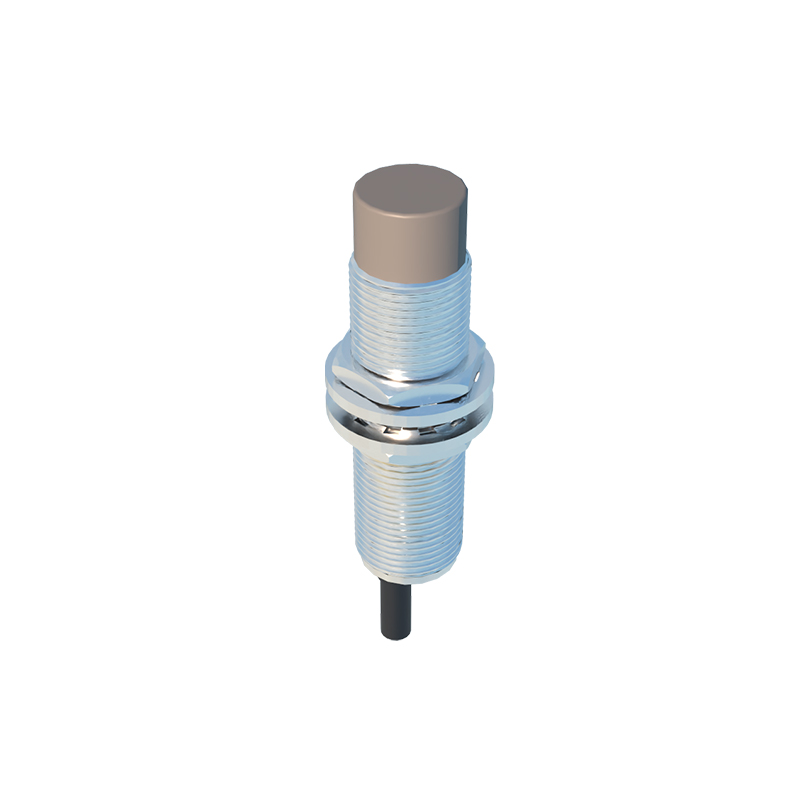
Market prices are also sensitive to order volume and customization. Standard, off-the-shelf models from a distributor's inventory are the most straightforward to price. However, large OEM orders often benefit from substantial volume discounts. Conversely, customized sensors—with specific cable lengths, connector types, special sensing ranges, or output configurations—incur additional engineering and setup costs, leading to higher per-unit prices and longer delivery times.
In conclusion, the quoted price for an explosion-proof proximity sensor is far more than just a number on a datasheet. It is a reflection of intrinsic safety engineering, material quality, technological sophistication, and brand assurance. A prudent purchasing decision involves a total cost analysis, weighing the initial investment against the critical need for operational safety, maintenance intervals, and the potentially catastrophic cost of sensor failure in a hazardous location. Engaging with reputable suppliers for detailed quotations that specify all parameters is the best practice for navigating this specialized and vital market segment.