Forget the datasheet. After two decades on factory floors, in mining pits, and on automated lines, I've learned that the real performance of a cylindrical inductive proximity sensor is defined in the margins its manual ignores. Let's cut to the chase.
Experience Correction: The Gaps Between Spec and Reality
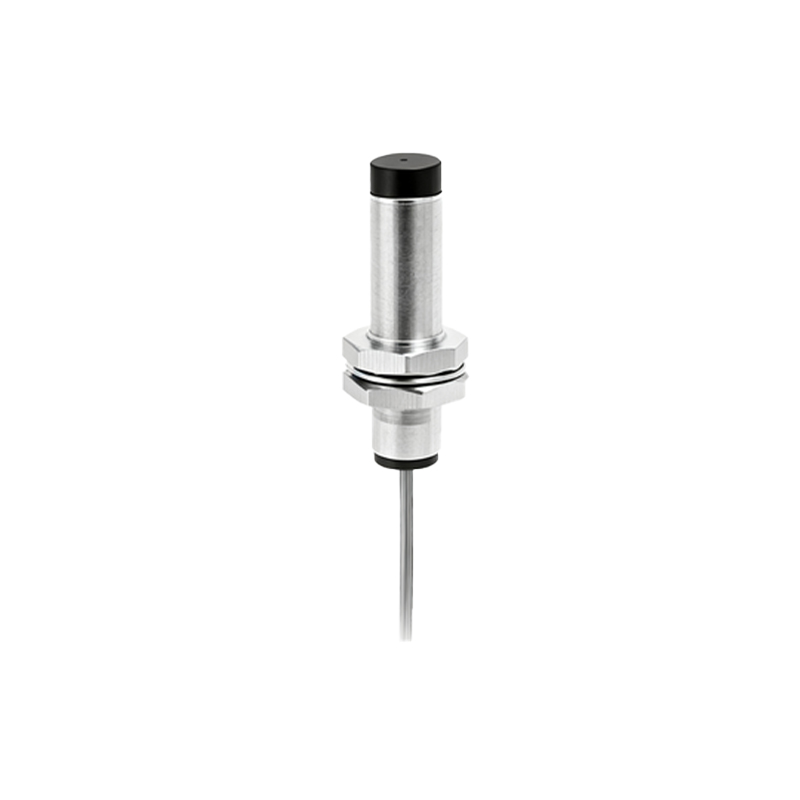
The rated sensing distance (Sn) is a laboratory fantasy. You're told an 18mm barrel M18 sensor has a 8mm range on steel. In reality, that assumes a perfect, mild steel target at 20°C. Now, factor in a vibrating conveyor with a worn, rusty target plate. Effective range drops by 30-40% immediately. The real killer is temperature. A sensor rated for -25 to 70°C doesn't maintain its switching frequency or current sink capability across that span. At -10°C, the oscillator circuit slows, increasing response time by milliseconds—enough to miss a fast-moving actuator. At 65°C ambient near a furnace, internal drift can cause a 15% reduction in Sn. I've seen "shielded" sensors fail due to lateral metal buildup, because the spec sheet doesn't quantify the cumulative effect of conductive dust adhering to the barrel, which gradually dampens the field.
Boundary Conditions: When to Walk Away
These sensors are not universal tools. Deploying them in these scenarios is professional malpractice:
1. Extreme Sub-Millimeter Positioning: For detecting the edge of a 0.1mm thick foil or the precise end-of-travel of a micro-actuator, capacitive or laser-based systems are mandatory. The hysteresis (difference between switch-on and switch-off point) of an inductive sensor, often 3-15% of Sn, makes repeatable precision below 0.5mm a gamble.
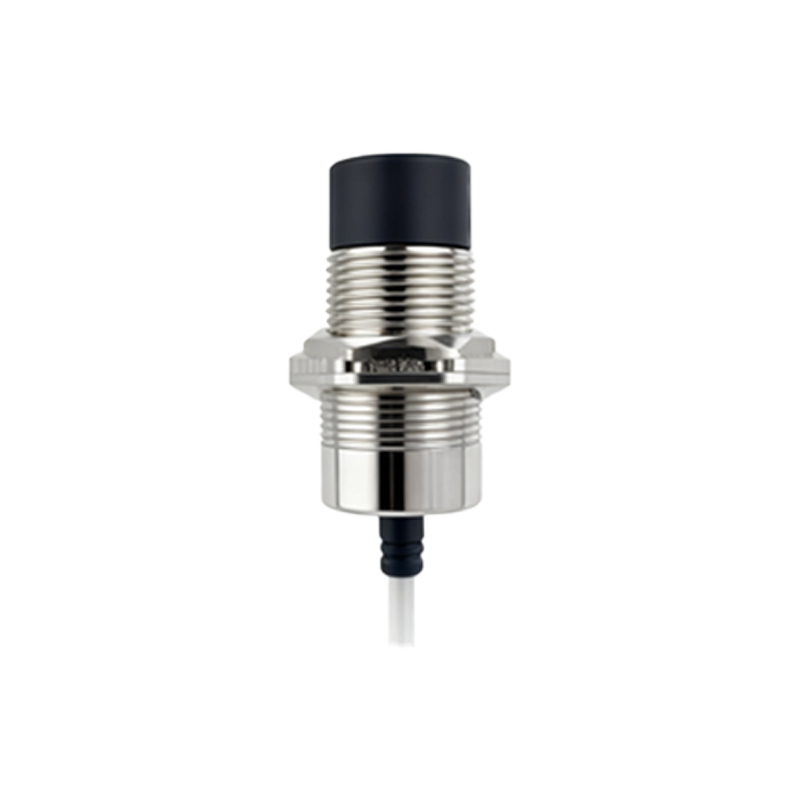
2. Non-Ferrous Metal Sorting on a Budget: The standard correction factor for aluminum (approx. 0.3-0.4) is a rough guide. Alloy composition variations (e.g., 6061 vs. 5052) change conductivity, causing sensing distance fluctuations up to 20%. Relying on it for critical sorting of mixed aluminum alloys without rigorous testing is a recipe for contamination.
3. High-Speed Liquid Metal Detection: Detecting molten steel or aluminum flow. The intense thermal radiation damages the PBT or PTFE housing over time, causing embrittlement and eventual seal failure. The electromagnetic field can also be disturbed by the strong eddy currents in the liquid metal itself, leading to erratic switching.
4. Heavy Washdown with High-Pressure, High-Temperature Chemicals: An IP69K rating guarantees survival in a test rig. It does not guarantee immunity to repeated 90°C caustic soda spray, which can degrade cable jackets, compromise the epoxy potting, and lead to insulation resistance failure over 6-12 months.
Counter-Intuitive Conclusions: Data-Driven Insights That Defy Common Wisdom
1. A More Expensive Sensor Can Be Less Reliable in Harsh Environments. Premium sensors with complex ASICs and advanced diagnostics often have higher component density and lower voltage tolerances. In environments with severe inductive load switching (e.g., near large solenoids or motor starters), voltage spikes can fry these sophisticated circuits. A rugged, "dumb" sensor with robust transient suppression and a wider voltage range (e.g., 10-30V DC) frequently outlasts its smarter counterpart.
2. Sometimes, Reducing Sensitivity Solves the Problem. Facing false triggers from surrounding metal? The instinct is to increase the mounting gap. Instead, try a less sensitive sensor or one with a potentiometer, and deliberately under-drive it. By setting it to trigger only at 70% of its possible range, you create a steeper, more definitive magnetic field gradient at the target point, improving noise immunity and switch point repeatability against vibration.
3. The Cable is the Primary Point of Failure, Not the Sensing Head. Over 65% of field returns I've analyzed showed cable damage: fatigue at the gland entry, chemical degradation, or crushing. Investing in a sensor with a higher-flex-life cable (e.g., 10+ million cycles) or a separate, high-quality connector system yields a better ROI than chasing incremental improvements in sensing distance. The most reliable installation I ever saw used a standard sensor head with a military-grade, braided stainless steel conduit on the cable.
4. For Detecting Small Fasteners, a Larger Diameter Sensor is Superior. Logic says use a tiny M5 sensor to detect an M6 nut. Wrong. The small sensor's magnetic field is too concentrated and narrow. A slight mis