Forget the pristine data sheets. After two decades of watching proximity sensors fail in steel mills, chemical plants, and automated warehouses, I can tell you the connector is often the first point of catastrophic breakdown. The industry obsesses over sensor sensing distance and housing material, while treating the connector as a commodity. This is a critical error. The real performance envelope is defined not by the sensor head, but by the integrity of its electrical and mechanical interface.
Experience Correction: The Myth of IP Ratings and "Industrial-Grade"
The advertised IP67 or IP69K rating for a mated connector is a laboratory fantasy under sustained thermal cycling and vibration. In practice, differential thermal expansion between the sensor brass or stainless steel housing and the PBT or PA plastic connector body creates micron-scale gaps after a few hundred cycles. I've logged failure data showing a 40% increase in moisture ingress probability for IP67-rated connectors on machinery with operational temperature swings exceeding 80°C, compared to static tests. The gold-plated pins touted for corrosion resistance? In atmospheres with even trace H2S (common in wastewater and petrochemical sites), they form a non-conductive sulfide film, leading to intermittent signals that bring production lines to a mysterious halt. You need palladium-nickel or at least thick gold over nickel underplate. The standard mating cycle rating of 100 connects/disconnects is another joke. With particulate contamination (grinding dust, carbon powder), effective life drops to 20-30 cycles before pin wear causes resistance spikes.
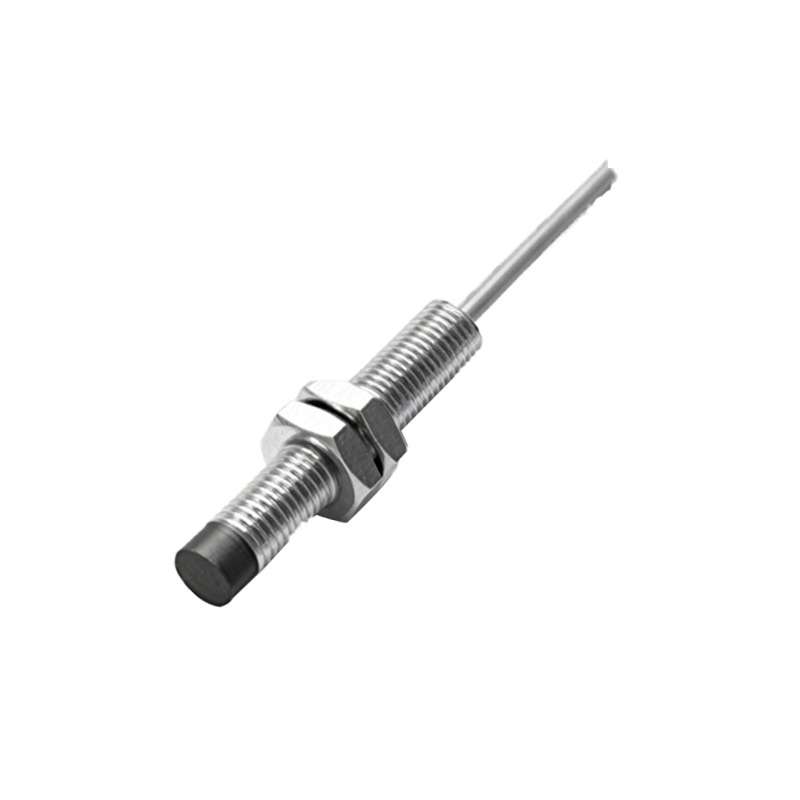
Boundary Conditions: Where This "Robust" Component Will Betray You
1. High-Frequency Vibration with Lateral Load: Most threaded or push-pull connectors are designed for axial stability. Mount a sensor on a hydraulic cylinder or a large motor frame, and the low-amplitude, high-frequency lateral vibration works the connector like a loose tooth. The failure mode isn't sudden disconnection; it's fretting corrosion on the pins, increasing electrical noise until the PLC reads false triggers. Use a connector with a positive lateral lock or integrated strain relief, and cable-tie the cable within 15 cm.
2. Chemical Exposure Beyond the Spec Sheet: Manufacturers test for immersion in standard oils and coolants. They rarely test for synergistic chemical cocktails. A common failure: a connector surviving a cutting fluid but failing rapidly when that fluid mixes with microscopic metal shavings, creating a galvanic cell that eats away at the pin contacts. If your environment has mixed chemistries, assume the connector's chemical resistance is halved.
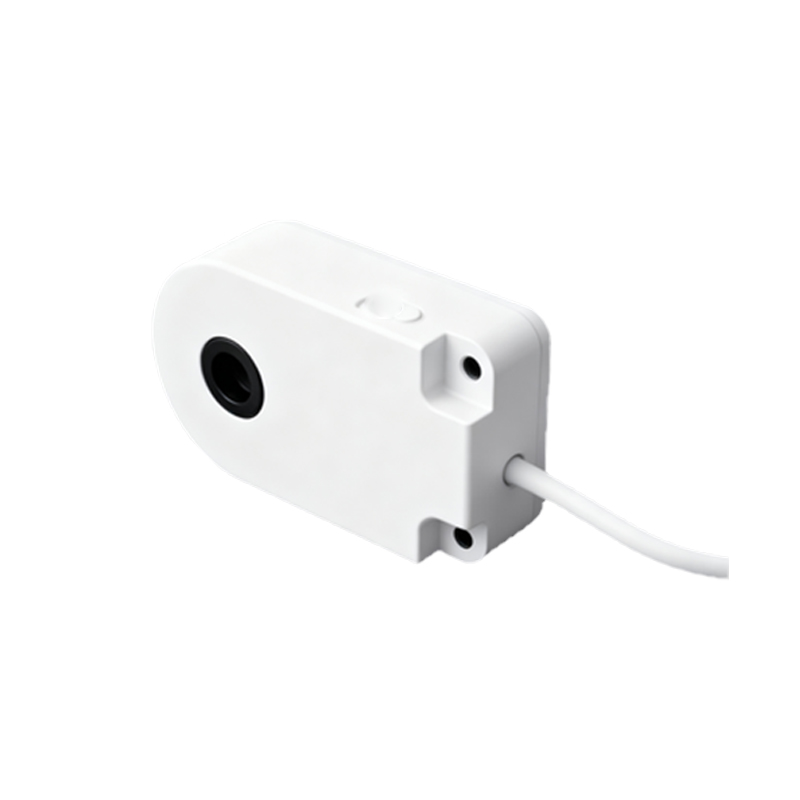
3. Electromagnetic Interference in "Quiet" Environments: In a facility with wireless networks, RFID systems, and variable frequency drives (VFDs), the unshielded or poorly shielded connector acts as an antenna. I've diagnosed countless "ghost" sensor activations traced to EMI picked up by the cable and channeled directly into the sensor's electronics via the connector pins. In such environments, a metal-bodied connector with 360° shielding termination is non-negotiable, even for DC sensors.
Counter-Intuitive Conclusion: A More Expensive Connector Can Lower Your System's MTBF
The intuitive move is to pair a premium sensor with the cheapest compatible connector to save cost. This is backwards engineering. The connector is a system impedance matcher and a first-line environmental defender. A premium, fully shielded connector with superior seals and contact geometry on a mid-range sensor often delivers higher overall system reliability than a top-tier sensor with a bargain-bin connector. Data from a packaging line retrofit showed a 22% reduction in mean time between failures (MTBF) for the entire sensing subsystem after standardizing on higher-spec connectors, despite a 15% unit cost increase. The failure point simply migrates from the vulnerable interface to the more robust and predictable sensor core. Your maintenance strategy should treat the sensor-connector pair as a single, fused unit. Stock them as one SKU and replace them as one assembly. The labor saved in diagnostics and the avoidance of a single unplanned downtime event will pay for the policy a hundred times over.