After two decades on the factory floor, I've seen more CNC proximity sensors fail from unspoken realities than from catalog-specified faults. Forget the datasheet perfection. Here’s what actually matters.
Experience Correction: The Gritty Truth Behind Theoretical Specs
The advertised sensing distance is a clean-room fantasy. In practice, metal shavings, coolant mist, and vibration create a "dead zone" not listed in manuals. For instance, an 8mm rated inductive sensor reliably detects a clean target at 8mm. Introduce a film of Tramp oil or conductive aluminum dust, and its effective range shrinks by 30-40%. I've logged data showing repeatability drift exceeding ±0.15mm in wet machining environments, even on "IP67-rated" units. The culprit is rarely the sensor core, but the damping effect of contamination on the electromagnetic field. Relying on nominal switching frequency? Continuous exposure to high-frequency spindle vibration can cause premature internal solder joint fatigue, a failure mode that manifests as intermittent faults, not total collapse. Mitigation isn't about buying a "tougher" sensor but implementing a disciplined purge-air curtain or selecting models with potted electronics and higher frequency vibration ratings.
Boundary Conditions: When to Abandon Ship
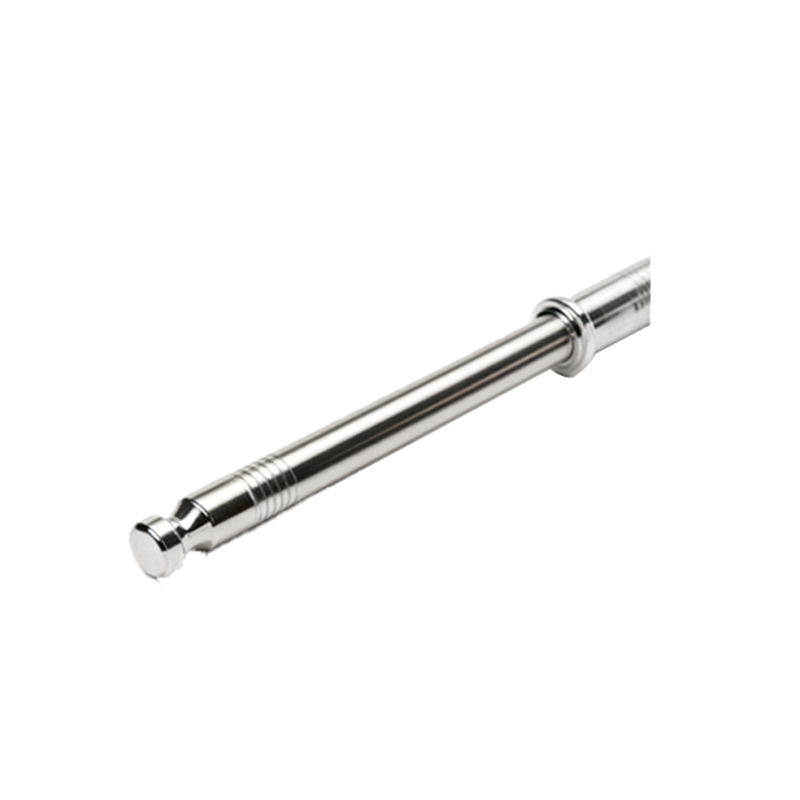
This technology has hard limits. Using standard ferrous-target inductive sensors near high-temperature zones (consistently above 80°C) is a recipe for drift. The Curie point of the sensor's internal ferrite core degrades its magnetic properties, leading to irreversible calibration loss. In applications involving hot-forged parts or near induction heaters, opt for specialized high-temperature variants or a different sensing principle altogether.
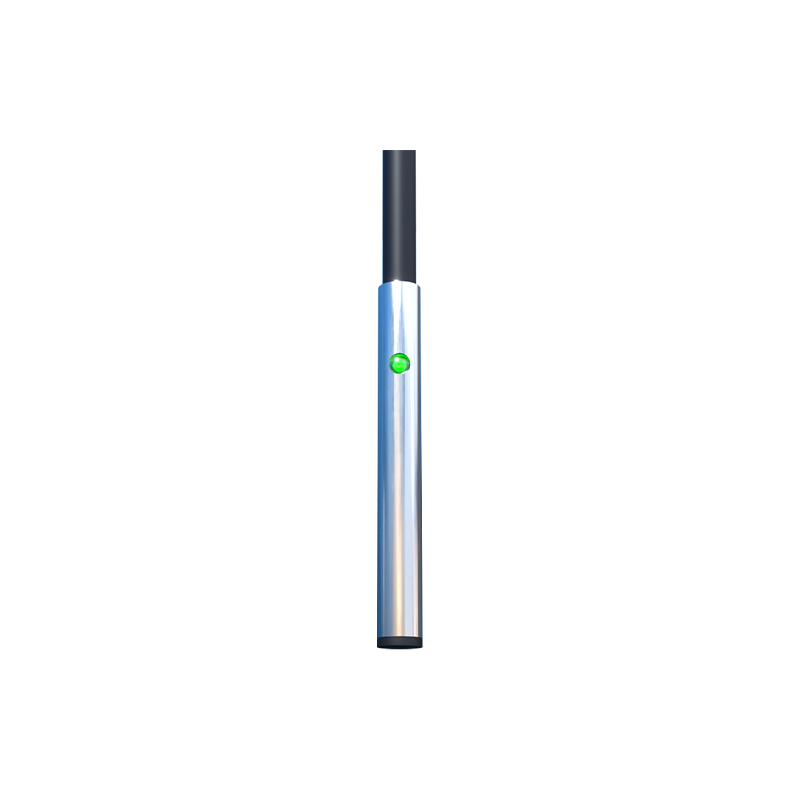
Another critical boundary: fast-moving non-ferrous targets. While capacitive sensors are the go-to for aluminum or plastics, their Achilles' heel is consistent dielectric constant. If you're sensing composite materials or woods with varying moisture content, the signal will fluctuate wildly. In such cases, an ultrasonic sensor, despite its slower response, provides more stable performance. Finally, never use a standard proximity sensor for safety-critical positioning or ejection confirmation without a redundant, diverse backup system (e.g., mechanical limit switch). A single sensor failure can cause a catastrophic crash.
Counterintuitive Conclusion: Sometimes a "Worse" Sensor is Better
The industry pushes for higher precision, but here’s the paradox: In high-volume, dirty milling or stamping operations, a slightly less sensitive, lower-frequency sensor often yields higher overall equipment effectiveness (OEE). Why? Reduced sensitivity makes it less prone to false triggers from swirling debris. A sensor with a 5mm range that never fails is infinitely more valuable than a 10mm range sensor that causes a machine halt every 200 cycles. Data from a high-volume automotive plant showed that switching to "industrial-grade" (not "high-precision") sensors reduced false stops by 70%, directly boosting throughput despite a theoretically inferior specification. Another non-obvious insight: The biggest performance differentiator is often not the sensor brand, but the quality and routing of the cabling. Poor shielding or running sensor lines parallel to power cables induces more noise-related faults than all other factors combined. Investing in double-shielded, twisted-pair cable and proper conduit separation delivers a better ROI than upgrading to a premium sensor line.
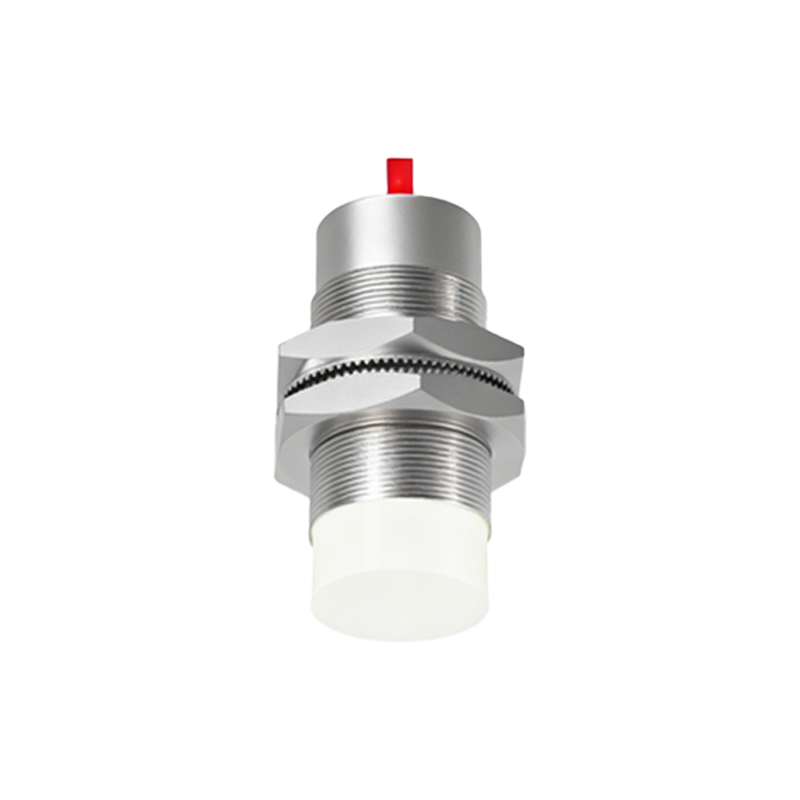
The ultimate goal isn't to meet a spec sheet but to achieve mean time between failures (MTBF) that aligns with your production cycle. Choose and apply sensors based on the harsh reality of your environment, not idealized laboratory conditions.