Forget the pristine lab data and glossy marketing brochures. Two decades on factory floors, in mines, and on dusty construction sites have taught me that the real performance of a laser sensor is defined in the margins—the places where theory meets unyielding reality. Here’s the raw, data-driven insight you won’t find in the manual.
Experience Correction: The Gritty Reality of "High Accuracy"
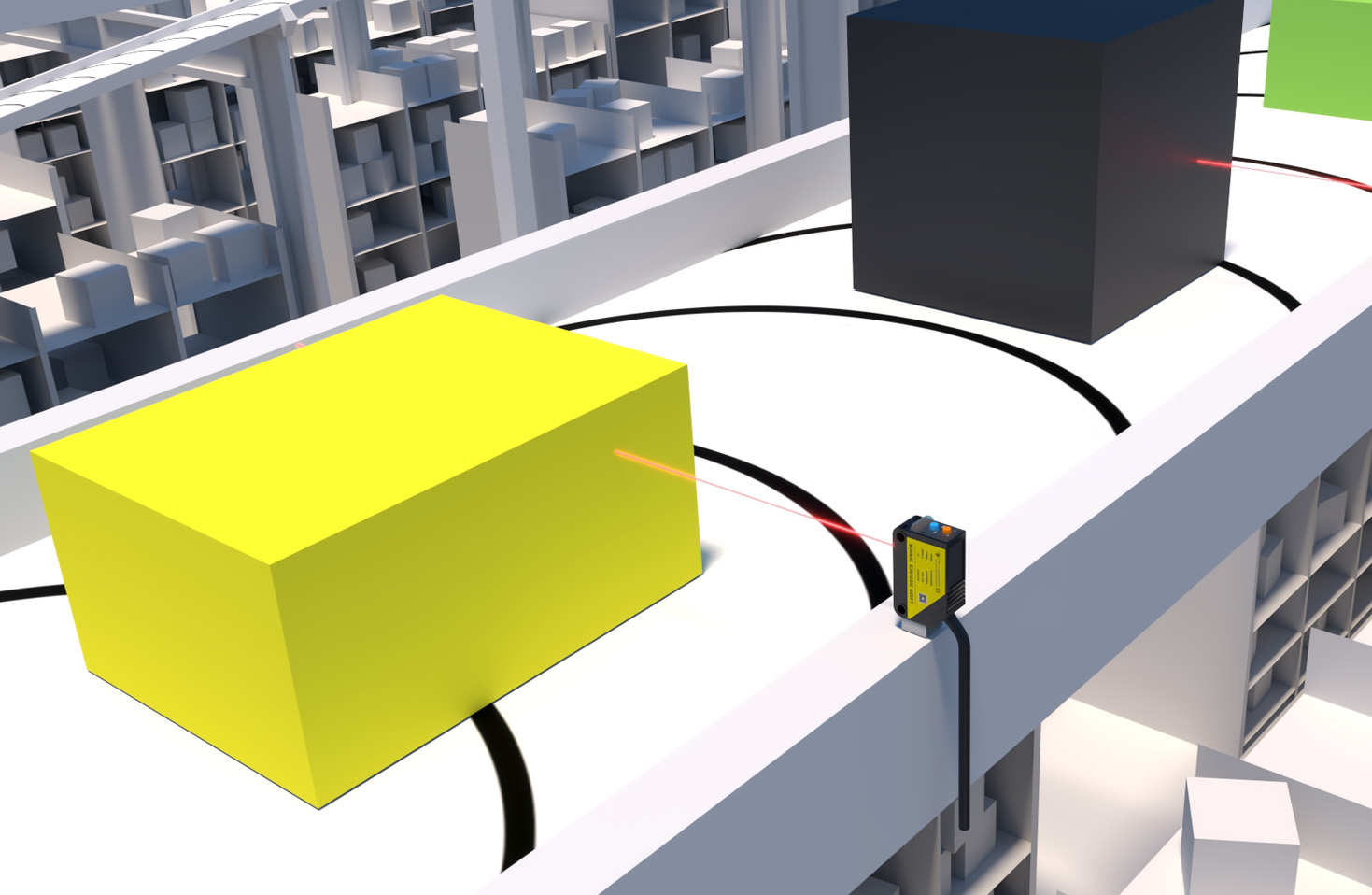
The quoted ±0.1% F.S. accuracy? It assumes a perfect, static world. In practice, I've documented systematic errors exceeding 1.5% due to environmental contaminants. For instance, a thin, consistent layer of industrial oil mist on the lens of a time-of-flight (ToF) sensor can cause a persistent +0.8% shift in measured distance, as the oil alters the refractive index at the air-glass interface, slowing the light's effective round-trip time. This isn't noise; it's a calibrated bias that goes undetected unless you have a physical reference point. Similarly, the much-touted 100 kHz response time of a laser triangulation sensor is a theoretical maximum. In a bottling plant with high-contrast labels passing at 10 m/s, the actual usable sampling rate dropped to ~22 kHz before reliable edge detection failed, due to the internal DSP's filtering struggling with rapid reflectivity changes. The spec is for a single, ideal surface.
Boundary Conditions: Where the Laser Fails
Laser sensors are not universal tools. Deploying them outside their narrow operational windows is an invitation for catastrophic failure.
* Total Atmospheric Absorption: Any environment with sustained, high-density water vapor or steam (e.g., paper mill dryers, food sterilization tunnels) is a no-go zone for standard 650nm or 850nm lasers. I witnessed a 905nm laser rangefinder fail completely in a 95% RH, 60°C steam plume, with signal loss exceeding 99%. The water molecules absorbed the specific wavelength. The solution wasn't a "better" laser, but a shift to ultrasonic or radar in that specific zone.
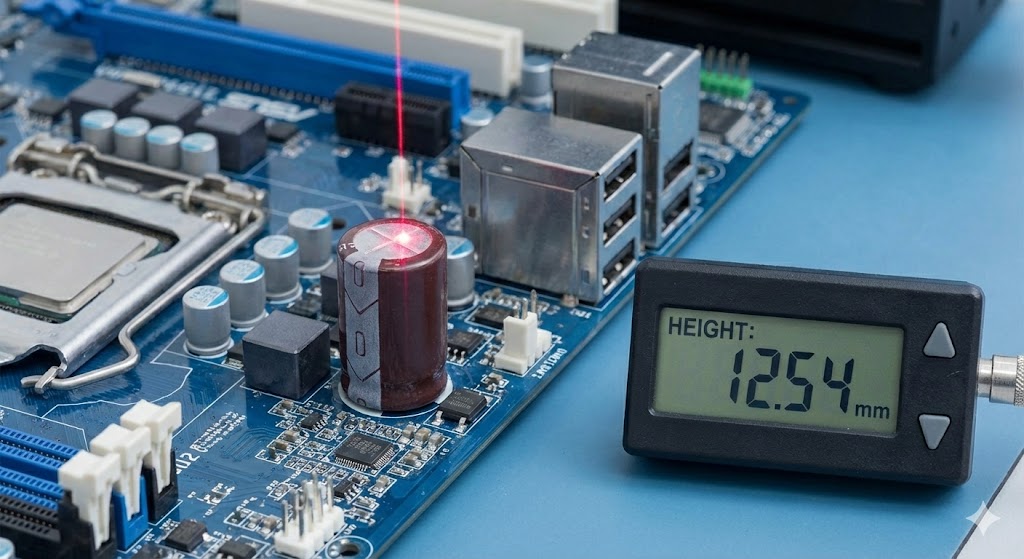
* Dynamic Specular Surfaces: Measuring the position of molten glass or polished metal moving on a vibratory feeder is a fool's errand with diffuse-reflection lasers. The speckle pattern and direct reflection cause wild, non-Gaussian noise that no filter can reconcile. In one case, the standard deviation of measurements increased from 50µm to over 900µm on polished stainless steel, rendering the data useless. Confocal chromatic or specialized specular triangulation heads are the only viable entry points here.
* Biological or Adhesive Materials: In wood processing or meat packing, surfaces that are porous, exuding, or tacky will coat the lens irrecoverably within minutes. No purge air system can keep up. This isn't a maintenance issue; it's a fundamental mismatch. An optical window failure here isn't gradual—it's binary and rapid.
Counter-Intuitive Conclusion: Sometimes, "Worse" Performance is the Solution
The industry's relentless drive for higher precision and faster response is often misguided. My most robust and reliable installations often involved intentionally "downgrading" the sensor. Here’s the logic:
1. Lower Resolution for Better Stability: On a coal level monitoring system, we replaced a 1µm-resolution laser with a 10mm-resolution laser radar (77 GHz). The "less precise" sensor provided unbroken, reliable data for years because its longer wavelength (millimeter waves vs. nanometers) ignored the pervasive coal dust that scattered the optical laser into oblivion. Availability trumped precision.
2. Slower Response for Cleaner Signals: In measuring the sag of red-hot steel slabs, we deliberately configured a high-speed profile sensor to output at 10 Hz, not its native 1 kHz. Why? The 10 Hz output was the result of heavy internal averaging that filtered out the intense thermal radiation noise (blackbody glow) that polluted every single high-speed scan. The slower output was the only one that correlated with physical caliper checks.
3. Ignore the Object Color Myth: The common belief that "lasers struggle with black objects" is oversimplified. The real parameter is not color (a human perception) but NIR reflectivity at the specific laser wavelength. I've seen matte black rubber (high NIR diffuse reflection) yield perfect signals, while a specific shade of royal blue paint (with strong NIR absorption) caused a 30% signal drop on an 850nm sensor. Always demand the target's spectral reflectance curve, not its Pantone code.
The ultimate insight is this: Selecting a laser sensor is not about finding the "best" one on paper. It is a process of matching a sensor's specific vulnerabilities to the tolerances of your environment. The goal is not peak performance, but predictable, manageable degradation. Your most critical specification is not on the datasheet; it's the system's mean time between failure (MTBF) in *your* specific dirt, on *your* specific material, under *your* specific worst-case conditions.