In today's automated and safety-conscious industrial landscape, proximity sensors are indispensable components. Their ability to detect the presence or absence of objects without physical contact makes them critical for applications ranging from assembly line automation and robotic guidance to vehicle detection and machine safety systems. The procurement process for these sensors, however, is far from a simple checkbox exercise. A strategic approach is required to ensure optimal performance, reliability, and total cost of ownership. This guide outlines the essential considerations for successful proximity sensor procurement.
The first and most critical step is a thorough analysis of the application requirements. What exactly needs to be detected? The material of the target object—be it metal (ferrous or non-ferrous), plastic, glass, or liquid—directly dictates the suitable sensing technology. Inductive sensors, for instance, are exclusively for detecting metallic objects. Capacitive sensors can detect a wider range of materials, including non-metals and liquids, making them ideal for level detection or seeing through certain packaging. Ultrasonic and photoelectric sensors offer even greater range and material versatility but come with different environmental constraints. Clearly defining the target material narrows down the technology choice significantly.
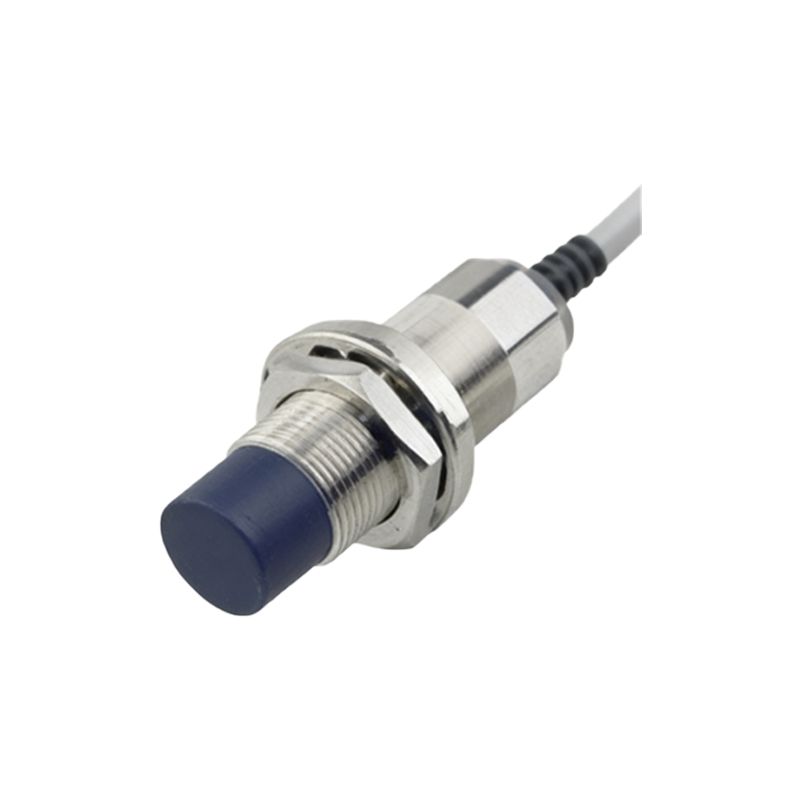
Next, consider the operating environment. Will the sensor be exposed to extreme temperatures, washdown conditions with high-pressure chemicals, oils, coolants, or metallic dust? Ingress Protection (IP) and NEMA ratings are not mere suggestions but vital specifications. A sensor destined for a food and beverage plant requires a high IP rating (e.g., IP67 or IP69K) for frequent washdowns, while one in a machining center must resist cutting oils and swarf. Additionally, factors like continuous vibration, potential mechanical impact, and exposure to strong electromagnetic interference can influence the selection of sensor housing material, mounting style, and internal construction.
Technical specifications require meticulous attention. The stated sensing distance, or "rated operating distance," is defined under ideal laboratory conditions with a standard target. In real-world applications, factors like target size, shape, and material composition can reduce the effective range. A best practice is to derate the catalog specification by 10-25% and ensure adequate clearance around the sensing face. Response time and switching frequency are paramount for high-speed applications; a sensor that is too slow becomes a bottleneck. Output type (PNP vs. NDC, NO vs. NC) must be compatible with the control system's input card. Don't overlook the electrical details: voltage range, current load, and wiring requirements (pre-wired cable or quick-disconnect).

Beyond the sensor unit itself, procurement must evaluate the total cost of ownership (TCO). This includes not just the initial purchase price, but also installation costs, maintenance, potential downtime, and longevity. A slightly more expensive sensor from a reputable manufacturer with global availability, comprehensive technical documentation, and a longer warranty often proves more economical than a cheap alternative that fails prematurely and halts production. Standardization across a facility on a few key models from one or two trusted suppliers can simplify inventory management, technician training, and troubleshooting.
Finally, the supplier relationship is a strategic component. Partner with distributors or manufacturers who offer strong technical support, can provide samples for real-world testing, and have a proven track record of reliability and on-time delivery. Review product certifications (e.g., UL, CE, ATEX for hazardous areas) to ensure they meet regional and industry-specific compliance standards. Inquire about customization options if standard models do not perfectly fit the application, such as special cable lengths or housing configurations.
In conclusion, procuring proximity sensors is an engineering decision with direct operational consequences. By systematically evaluating the application, environment, technical specs, TCO, and supplier capabilities, procurement professionals and engineers can make informed choices. This diligence ensures the selected sensors deliver the required detection reliability, endure the operating conditions, and contribute to seamless, efficient, and safe industrial operations for years to come. Avoid the pitfall of selecting based on price alone; the right sensor is an investment in productivity.