In industrial automation and machinery design, proximity sensors play a critical role in detecting the presence or absence of objects without physical contact. Among the diverse types available, proximity sensors equipped with spring-loaded actuators represent a specialized and robust solution for challenging applications. This design integrates a mechanical spring mechanism with the core sensing technology, creating a hybrid device that offers unique advantages in reliability, longevity, and performance under duress.
The fundamental principle of a spring-loaded proximity sensor is straightforward. The sensor itself, which can be based on inductive, capacitive, or magnetic technologies, is housed behind a movable plunger or pushpin. This plunger is tensioned by an internal spring. When an object makes contact with the plunger, it compresses the spring and moves inward, bringing a metallic target (often attached to the plunger) into the precise sensing range of the embedded sensor. Once the object is removed, the spring returns the plunger to its extended position, moving the target away and changing the sensor's output state. This physical movement triggers the electrical switching function.
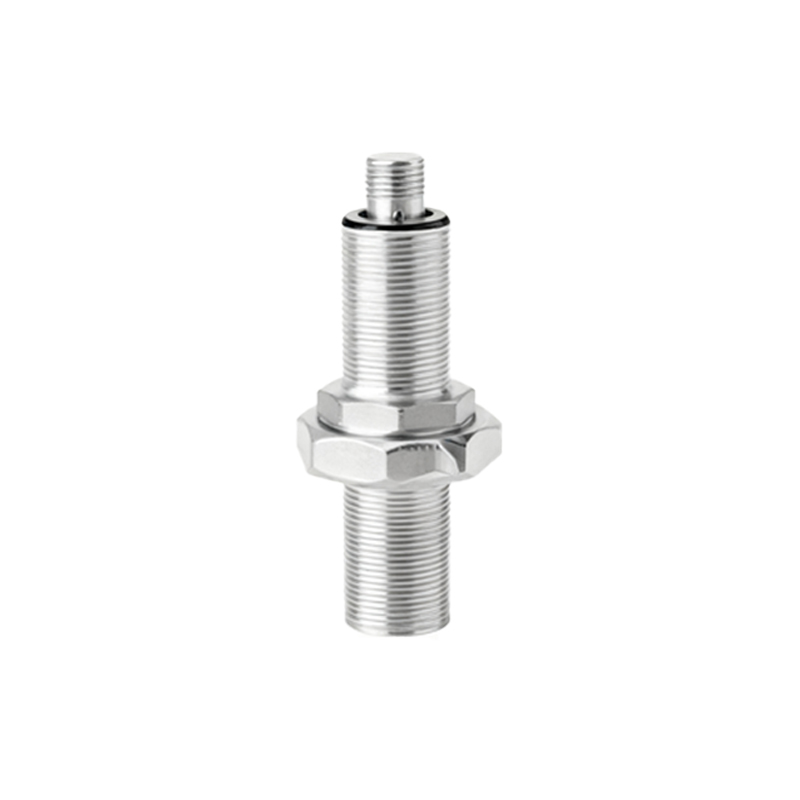
The primary benefit of this design is its exceptional resilience in environments plagued by vibration, shock, or misalignment. In a standard fixed-mount proximity sensor, even minor vibrations can cause the target object to momentarily drift in and out of the narrow sensing field, leading to erratic, "chattering" signals. This is detrimental to control system stability. The spring-loaded mechanism introduces a deliberate over-travel. The spring absorbs these minor variations in object position, ensuring that the internal target remains steadily within the sensing zone once actuated. This results in a clean, stable output signal, free from false triggers. It effectively "debounces" the signal mechanically.
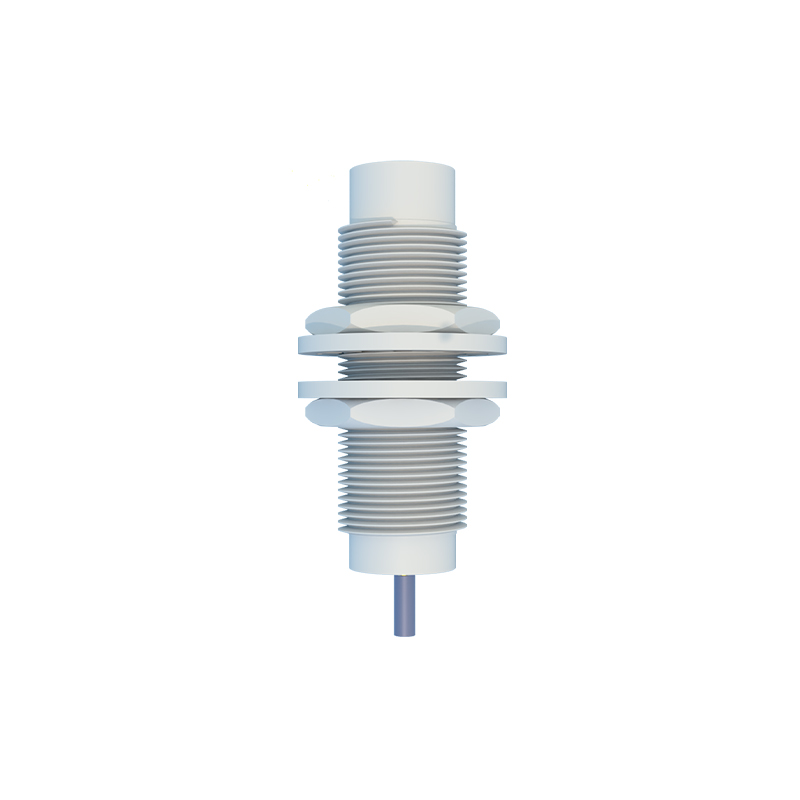
Furthermore, these sensors excel in applications involving sensing of non-metallic or irregularly shaped objects. While inductive sensors typically require ferrous metals, a spring-loaded version can be configured to detect any material capable of physically depressing the plunger. For instance, detecting the presence of a plastic bottle, a wooden block, or a soft bag becomes reliable because the physical actuation, not just electromagnetic properties, is key. The spring ensures consistent force is applied to confirm the object's presence, compensating for variations in object surface or orientation.
Durability is another hallmark. The spring mechanism protects the sensitive internal electronics from direct impact. The plunger takes the physical force, and the spring dampens it, significantly extending the sensor's operational life in high-cycle or abusive environments. This makes them ideal for use in stamping presses, heavy-duty conveyors, material handling equipment, and assembly lines where accidental collisions are common. The design also inherently compensates for mounting inaccuracies or thermal expansion of machinery, as the spring allows for a degree of self-alignment upon contact.
Installation and maintenance considerations are favorable. These sensors are typically as easy to mount as their standard counterparts, often in standard M8, M12, or M18 threaded housings. The mechanical action provides a clear, audible click or tactile feedback, which can be useful for manual setup and troubleshooting. Maintenance usually involves simply checking for mechanical wear on the plunger tip and ensuring the spring action remains free from debris buildup. Their robust construction often translates to high Ingress Protection (IP) ratings, safeguarding against dust and coolant ingress.
In summary, proximity sensors with spring-loaded actuators are not a replacement for all non-contact sensors but a vital tool for specific, demanding scenarios. They bridge the gap between purely non-contact sensing and physical limit switches, offering the fast, solid-state reliability of proximity sensors with the forgiving, shock-absorbing qualities of mechanical actuation. When application conditions include vibration, positional variance, physical impact, or the need to detect diverse materials, specifying a spring-loaded design is a strategic choice for enhancing system uptime and signal integrity. Their continued use in rugged industrial settings underscores their value in creating more resilient and dependable automation systems.