In modern industrial automation, proximity sensors play a critical role in detecting the presence or absence of objects without physical contact. These devices are essential for ensuring efficiency, safety, and precision in manufacturing, packaging, and material handling systems. Understanding the supply landscape for common proximity sensors helps engineers and procurement specialists make informed decisions.
Proximity sensors are broadly categorized based on their detection technology. Inductive sensors are widely used for detecting metallic objects, making them ideal for metalworking, automotive assembly, and machinery monitoring. Capacitive sensors can detect both metallic and non-metallic materials, including liquids and granular substances, which is valuable in food processing, pharmaceutical, and chemical industries. Ultrasonic sensors utilize sound waves to measure distance or detect objects, suitable for challenging environments with dust, moisture, or varying temperatures. Photoelectric sensors employ light beams to sense objects and are common in conveyor systems, sorting, and robotic applications.
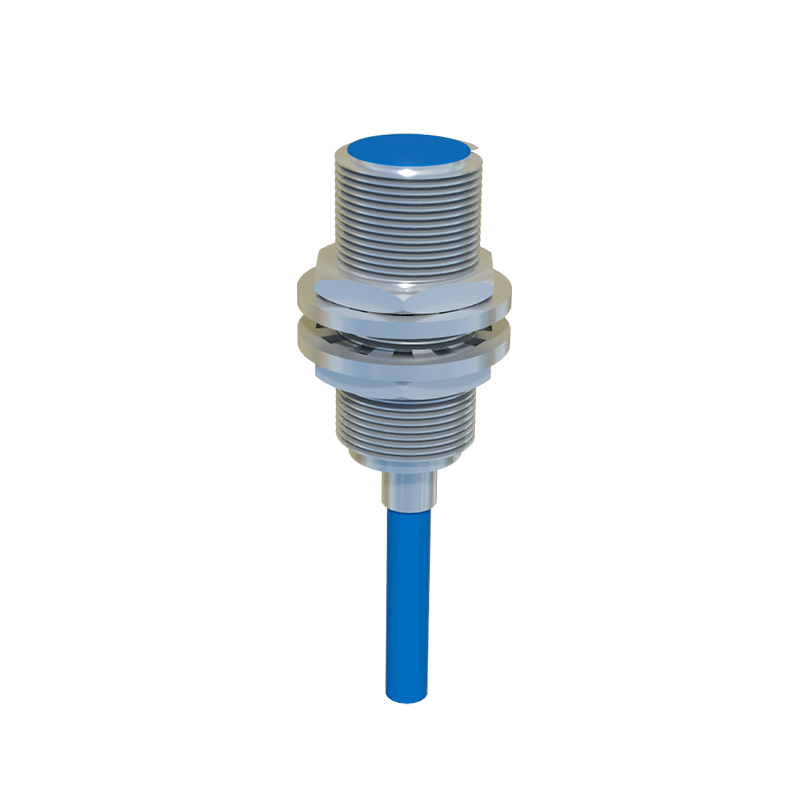
When sourcing proximity sensors, several factors influence supply choices. Key considerations include sensing range, output type (e.g., NPN, PNP, analog, or digital), housing material (such as stainless steel or plastic), and environmental ratings like IP67 for water and dust resistance. Leading global suppliers, such as Omron, Schneider Electric, Siemens, and Rockwell Automation, offer extensive product lines with reliable performance. Regional distributors and online platforms like Digi-Key, Mouser, and RS Components provide accessible inventory, technical support, and competitive pricing.
Supply chain stability is crucial for industrial operations. Recent global disruptions have highlighted the importance of diversifying sources and maintaining buffer stocks. Many suppliers now offer customization options, including cable lengths, connector types, and specialized coatings, to meet specific application needs. Additionally, smart sensors with IoT connectivity are gaining traction, enabling predictive maintenance and real-time monitoring through industrial networks.
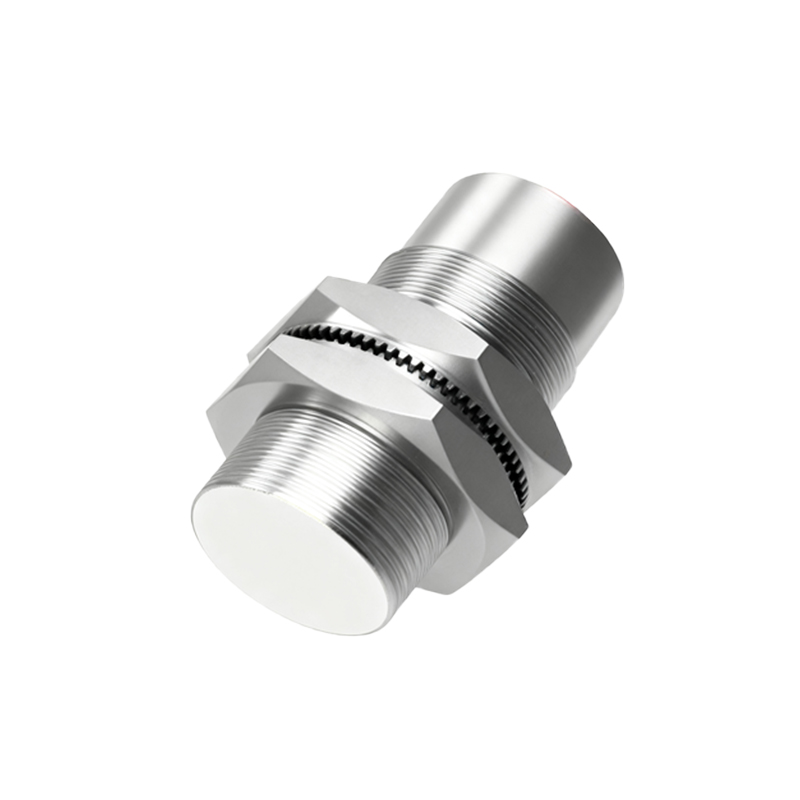
To ensure optimal sensor selection, evaluate the operating environment—factors like temperature extremes, exposure to chemicals, or electrical noise can affect performance. Consult technical datasheets and supplier expertise to match sensor specifications with application requirements. Regular maintenance and calibration, supported by supplier warranties and after-sales services, prolong sensor lifespan and reduce downtime.
In summary, the supply of common proximity sensors is diverse and adaptable to industrial demands. By leveraging reputable suppliers, considering technological advancements, and prioritizing application-specific features, businesses can enhance operational reliability and productivity.