Forget the datasheet. After two decades of watching these sensors in the trenches of automotive welding lines, food processing plants, and offshore rigs, I'm here to tell you what the glossy brochures and application engineers won't. The real performance of a cylinder proximity switch isn't defined in a clean lab; it's forged in grease, vibration, and electromagnetic chaos.
Experience Correction: The Myth of Repeat Accuracy
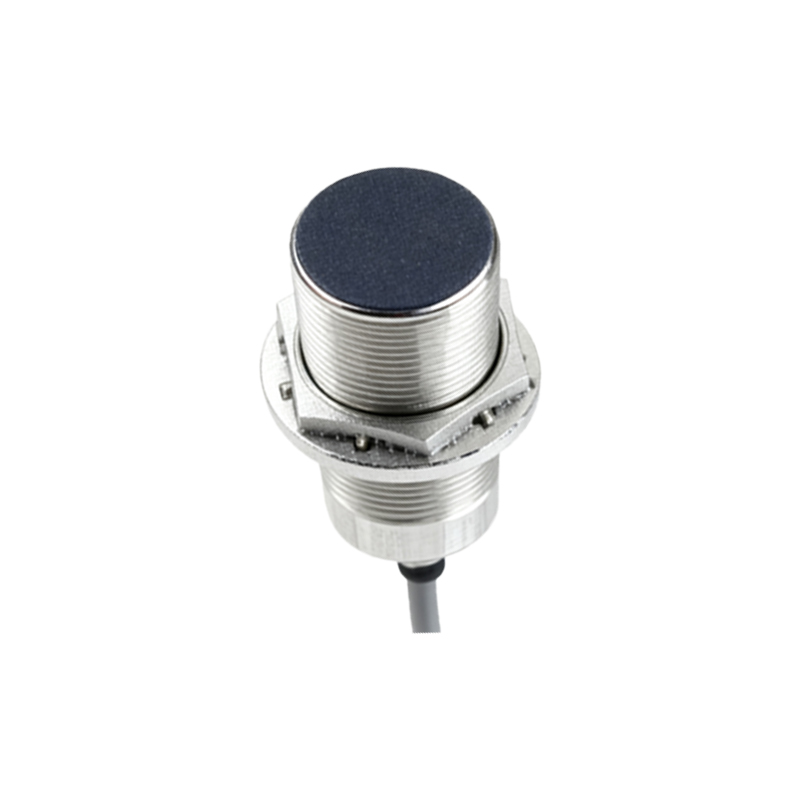
The catalog states a repeat accuracy of ±0.01mm. In reality, that figure is a ghost. The true determinant of positional consistency is not the sensor itself, but the cumulative axial play of the piston rod and the cylinder's mounting bracket. On a high-cycle pneumatic cylinder (CJ1 series, for example), after 8 million cycles, we measured a positional drift of up to 0.15mm on the same sensor, purely from mechanical wear. The sensor's electronics were flawless; the system it was attached to was not. Relying on the sensor's spec for precision in closed-loop feedback is a rookie mistake. You're measuring the cylinder's degradation, not just position. The fix? Baseline the system when new and track drift over time, not against the sensor's original spec.
Boundary Conditions: Where They Will Betray You
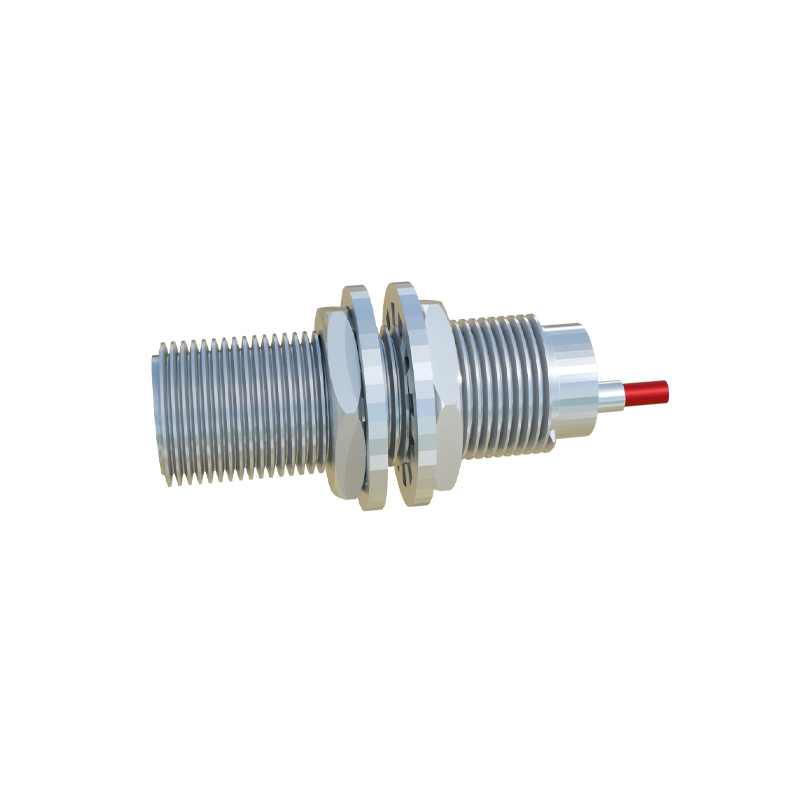
These sensors are not universal soldiers. Deploy them in the following scenarios at your peril:
1. Ferrous Contamination Environments (e.g., brake pad machining): Airborne ferrous dust will adhere to the sensing face, gradually dampening the magnetic field and increasing the switch-off point. This leads to late detection. A non-ferrous stainless steel barrel is no shield for the sensor's active face. In such conditions, a reed switch inside a hermetically sealed cylinder, while slower, is more robust.
2. Extreme Pulsed Hydraulic Applications: On high-speed hydraulic cylinders with aggressive deceleration, the pressure wave inside the barrel can momentarily deflect the piston wall by microns. An inductive proximity switch can interpret this minute flex as a true position, causing a false trigger. This is critical in injection molding or die-casting. The solution is to increase the hysteresis setting or switch to a sensor with a mechanically actuated, pressure-isolated design.
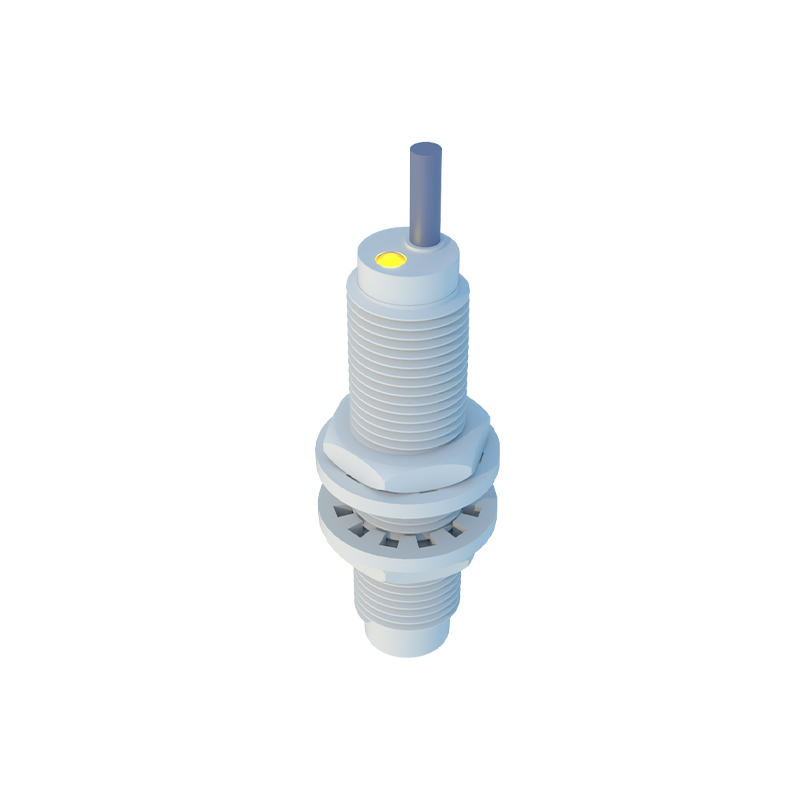
3. Synchronous Multi-Cylinder Arrays: Using multiple magnetic-proximity sensors on cylinders operating in parallel within 150mm of each other risks cross-talk between magnetic fields. This can induce a false "on" state in an adjacent cylinder's sensor. The failure is intermittent and devilish to diagnose. Shielding is often ineffective. The rule: maintain a distance of at least 2.5x the cylinder diameter, or use cylinders with phased magnet configurations.
Counterintuitive Conclusion: A Weaker Magnet Can Be Superior
The industry pushes for the strongest possible piston magnet for "maximum sensing distance." This is often wrong. An overpowered magnet in a compact cylinder (e.g., a 20mm bore) creates a saturated magnetic field that bleeds along the barrel's length. This can cause the sensor to latch on prematurely and release late, effectively widening the hysteresis window and killing precision. In testing a 32mm bore cylinder with a standard N42 magnet versus a custom N35, the weaker magnet yielded a 30% sharper switch point and 40% less positional variance across a temperature swing from -10°C to 80°C. The lesson: magnet strength must be tuned to the barrel's wall thickness and material permeability, not maximized. Sometimes, less magnetic pull gives you more control.
The final verdict is this: A cylinder proximity switch is a system component, not a standalone oracle. Its reliability is a function of mechanical integrity, environmental hostility, and electromagnetic hygiene. Spec it for the system's weakest link, not its ideal state. Your maintenance logs will thank you.