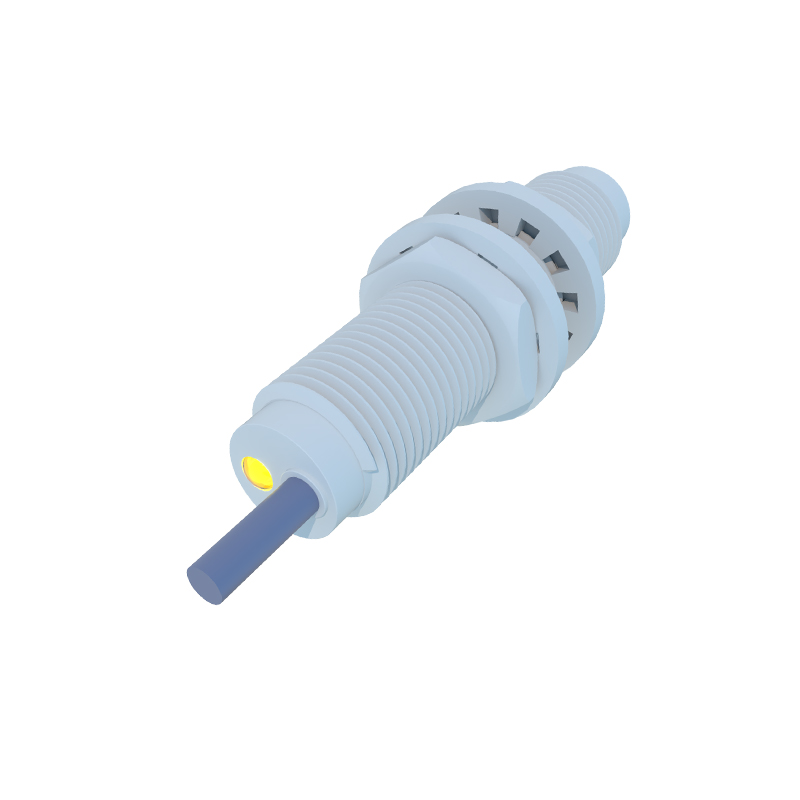
Forget the pristine data sheets and idealized application notes. Two decades of deploying explosion-proof proximity sensors in petrochemical plants, grain elevators, and offshore rigs have taught me that survival depends on information you won't find in the manual. Here’s the unvarnished truth.
Experience Correction: The Gaps Between Theory and Grit
The certified ingress protection (IP) rating and temperature range are starting points, not guarantees. A sensor rated IP68 for continuous immersion might fail in a Class I, Division 1 area with cyclic hydrocarbon condensation and abrasive dust. The real enemy is simultaneous, compounding stressors. For instance, the dielectric strength of the sensor's epoxy potting compound can degrade 30-40% faster than spec when exposed to a specific cocktail of aromatic hydrocarbons and thermal cycling between -25°C and 80°C—a common reality in refinery pump bays. The rated "10-year service life" assumes stable conditions; in such environments, a comprehensive seal integrity check at the 18-month mark is non-negotiable. Another critical deviation: response time. The published spec, say 1ms, is measured in lab air. In a methane-rich atmosphere, the damping effect on the electromagnetic field can slow effective response by 15-20%, enough to miss a critical position event on a high-speed valve actuator. Calibration drift under sustained high ambient pressure (common in processing vessels) is another silent killer; assume a 5% offset on the nominal sensing distance that requires quarterly verification, not the annual check the manual suggests.
Boundary Conditions: When to Walk Away
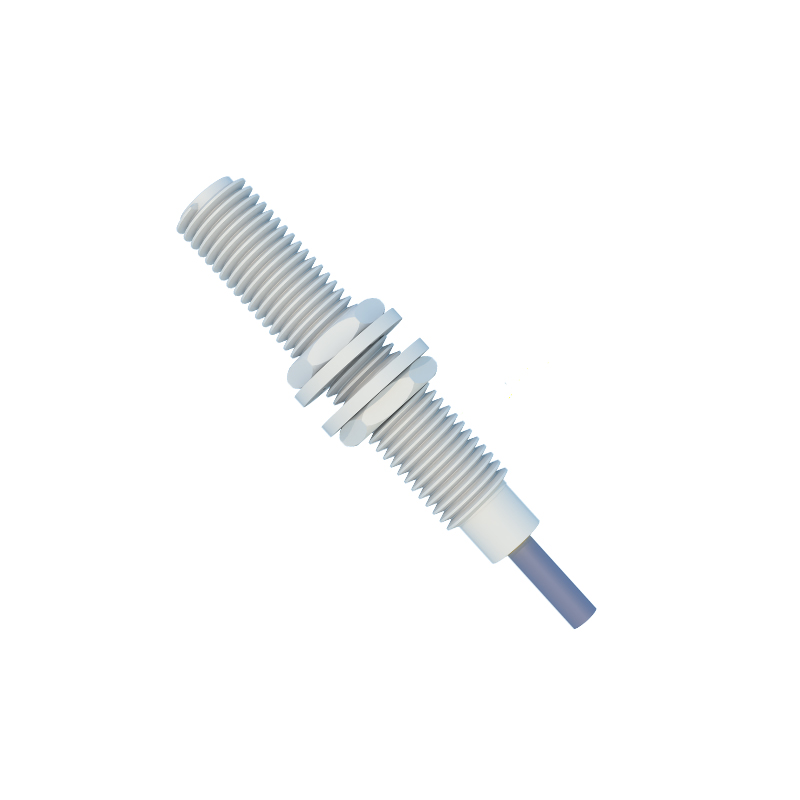
These sensors are not magical amulets. Their protection is mechanical and structural. Recognize the red lines. First, do not use standard ferrous-metal sensing face models in areas with pervasive, conductive metal dust (e.g., aluminum milling). The dust can bridge the sensing face, causing false triggering and potentially creating a thermal bridge. Second, extreme pressure pulsation environments, like certain reciprocating compressor stations, can induce micro-fatigue in the welded stainless steel housings. Even with a high-pressure rating, cyclic stress at frequencies above 50 Hz can lead to premature housing integrity failure—a catastrophic risk. Third, avoid using them for direct detection of hot, incandescent particulate matter (above 400°C). While the housing may withstand the temperature, radiant heat can transfer internally, destabilizing the oscillator circuit and causing failure-to-danger states. Finally, in areas with frequent high-intensity electrostatic discharges (ESD) from processes like powder conveying, the internal Zener barrier or intrinsically safe (IS) circuitry can be overwhelmed if not specifically rated for the discharge energy profile of that specific material. The IS certification assumes a generalized model; know your particulate's triboelectric properties.
Counter-Intuitive Conclusion: Sometimes "Less Protection" is Safer
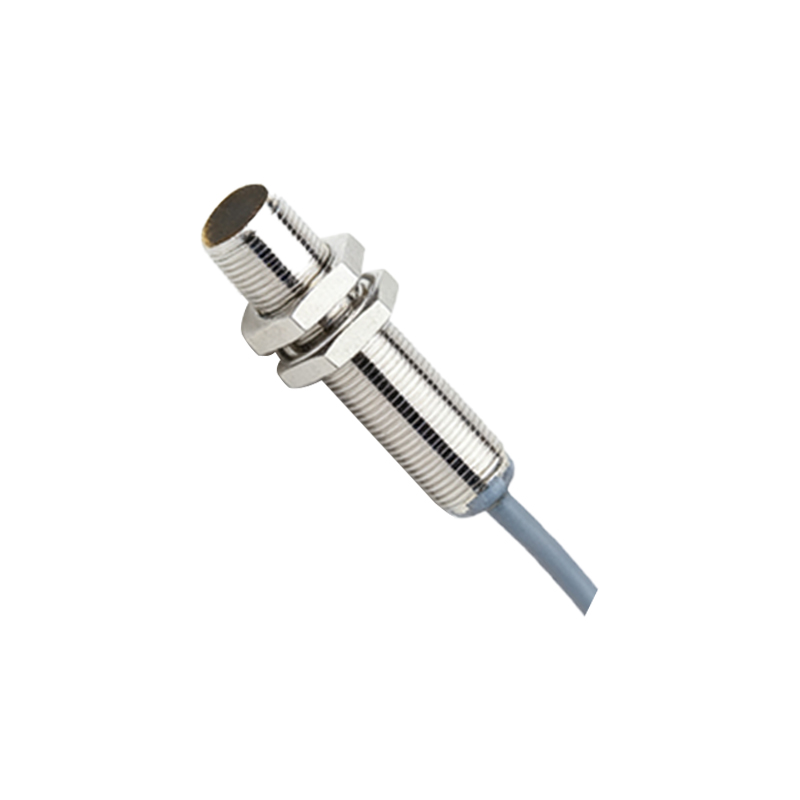
This will defy procurement instincts: In certain high-humidity, high-salt atmospheres (offshore platforms), a sensor with a slightly lower IP rating but a superior, non-corrosive housing alloy (e.g., Hastelloy C-276) often outperforms and outlasts a "higher-rated" 316L stainless steel unit. The reason is pitting corrosion under insulation (CUI). The 316L sensor, while robust, can develop micro-pits beneath its mounting bracket or cable gland. Moisture ingress through these pits compromises explosion protection long before the sensing electronics fail. The corrosion-resistant alloy, even with a theoretically more vulnerable seal design, maintains housing integrity, which is the primary safety barrier. Data from a 5-year comparative study on North Sea platforms showed a 300% increase in mean time between failures (MTBF) for the "lower-rated" but materially superior units. The lesson: The metallurgy and manufacturing quality of the housing often trump a marginally better IP rating on paper. The ultimate safety lies in system integrity, not just a certificate.