Forget the spec sheets and marketing gloss. After two decades deploying lidar in mining, autonomous haulage, and port automation, I've learned that the sticker price is the least interesting number. The real cost is hidden in operational realities that datasheets ignore. Let's cut through the noise.
Experience Correction: Where Theory Meets Mud, Dust, and Vibration.
Manufacturers tout range and point cloud density. On paper, a $8,000 128-channel unit outperforms a $22,000 32-channel mechanical lidar. In reality, at a Chilean copper mine with persistent dust haze, the "superior" unit failed. Its shorter wavelength (typically 905nm) was attenuated to near-uselessness beyond 50 meters. The expensive mechanical lidar, using a 1550nm laser, punched through. The operational cost? Over $120k in downtime and sensor swaps before we learned. The correction: Wavelength selection, not just channel count, dictates real-world effective range in particulate environments. A 905nm lidar's 200m range claim assumes 80% atmospheric clarity. In many industrial settings, clarity is below 50%. Your effective range collapses. Pay for the physics that matches your medium.
Boundary Conditions: When This Technology Will Let You Down.
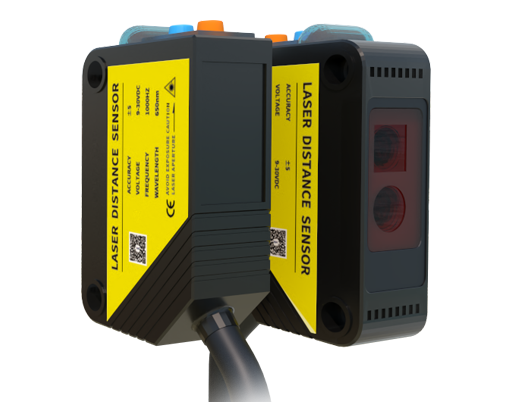
No sensor is universal. Lidar's critical failure modes are not just about rain or snow.
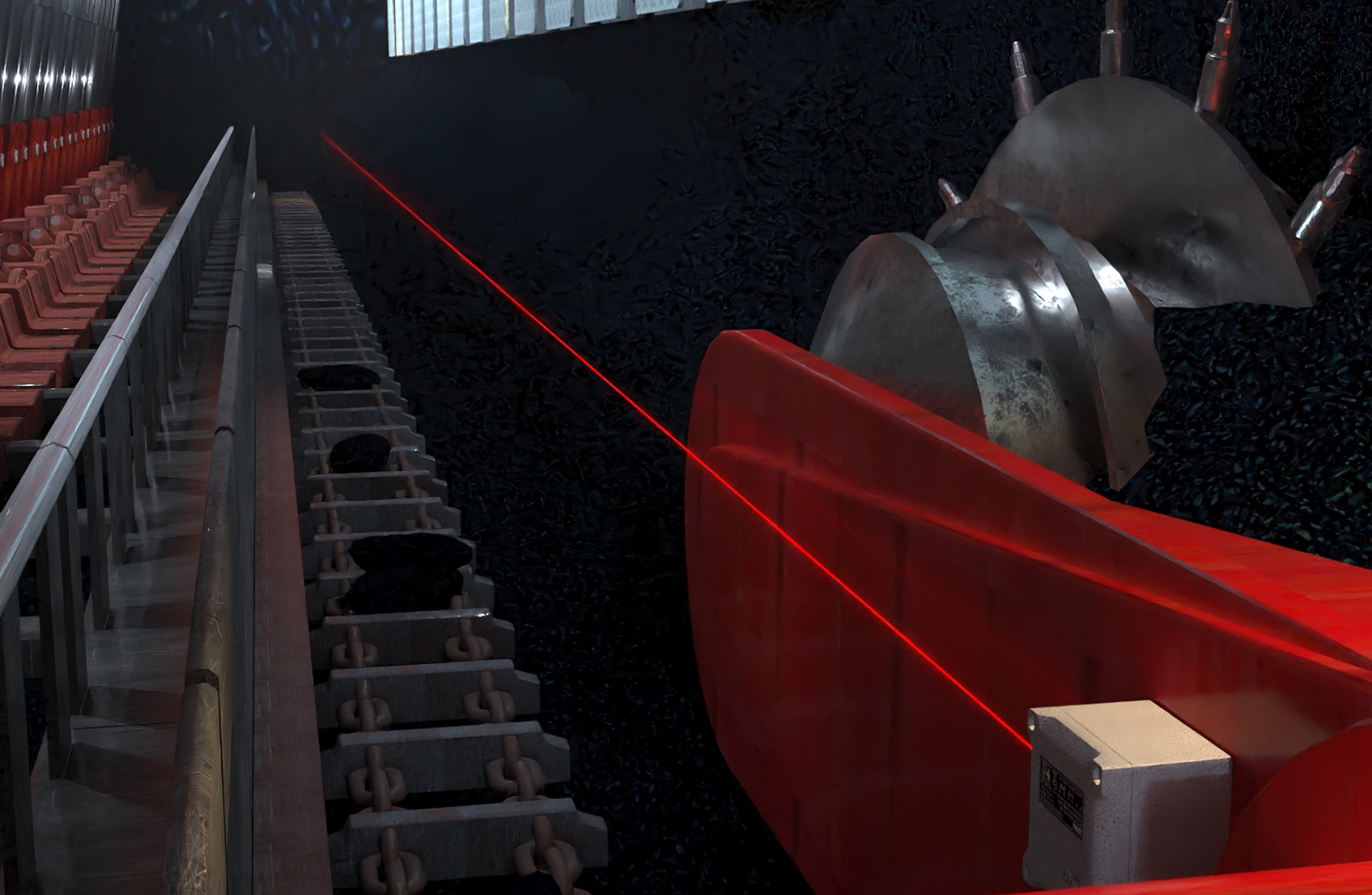
1. High-Speed Relative Motion: Deploying a standard automotive-grade lidar (even high-end, ~$15,000 units) on a drone inspecting a moving train or on a robot in a high-speed sorting facility is a recipe for distortion. The point cloud becomes sheared and unusable for precise measurement. The temporal resolution (scan frequency) is too low. The boundary: Relative speed > 15 m/s combined with sub-20Hz scan rate. The solution is specialized, high-rep-rate sensors costing $40k+, or a fused architecture.
2. Specular and Absorptive Surfaces: This is the silent killer. A black conveyor belt (highly absorptive) or a polished stainless-steel tank (specular) will return near-zero data. No amount of post-processing fixes a non-existent signal. In a chemical plant project, we mapped 99% of the facility flawlessly with a premium lidar. The 1%—high-gloss epoxy floors and vats—created lethal "blind" zones for AGVs. The boundary condition is surface reflectivity below 10% or near-perfect flatness. Mitigation requires strategic ultrasonic or radar supplementation at these exact points, adding system complexity and cost.
3. Dense, Dynamic Clutter: A forestry yard or scrap recycling plant. Here, the lidar will see *everything*—a million points on a pile of irregular debris. The system's object detection and classification algorithms, trained on orderly datasets, will choke. The failure isn't the sensor's data collection but the insurmountable computational burden and algorithmic ambiguity that follows. The ROI plummets.
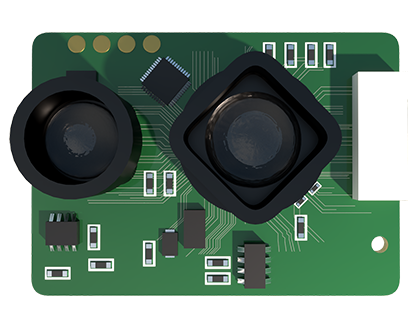
Counterintuitive Conclusion: The Cheapest Sensor May Be the Most Expensive System.
The industry pushes for lower-cost, solid-state lidar (now dipping below $1,000 for some units) as the path to scalability. Here's the heresy: In many industrial applications, a single, expensive, performance-guaranteed lidar can yield a lower total cost of ownership (TCO) than an array of cheap sensors. Why? Reliability and calibration. An array of four $800 sensors introduces four points of failure, four calibration regimes, and a complex synchronization overhead. Their performance envelopes (in range, FOV, precision) are inconsistent unit-to-unit. A single $12,000 sensor with a robust housing, certified IP rating, and stable calibration over temperature extremes often delivers 99.9% uptime with one-tenth the systems engineering labor. The "savings" on hardware are obliterated by integration, maintenance, and downtime costs. Don't buy sensors; buy a *solution* with a known, documented performance in a proxy environment. The data that matters isn't on the website; it's the long-term deviation of distance measurement accuracy over 10,000 hours of operation in 40°C heat. That's the data you must demand.
The final word: Price the *system*, not the *sensor*. Budget for the environmental hardening, the fusion strategy for its inevitable blind spots, and the engineering labor to interpret its data under duress. The true cost of lidar is revealed not at purchase, but in the relentless conditions of day 437.