Forget the pristine lab curves and marketing slicks. After two decades of wrestling with proximity sensors in steel mills, chemical plants, and automated warehouses, I've learned that the real data sheet is written in the field, often in grease, vibration, and failure reports. Let's cut to the chase.
Experience Correction: The Gritty Reality of "Standard" Specs.
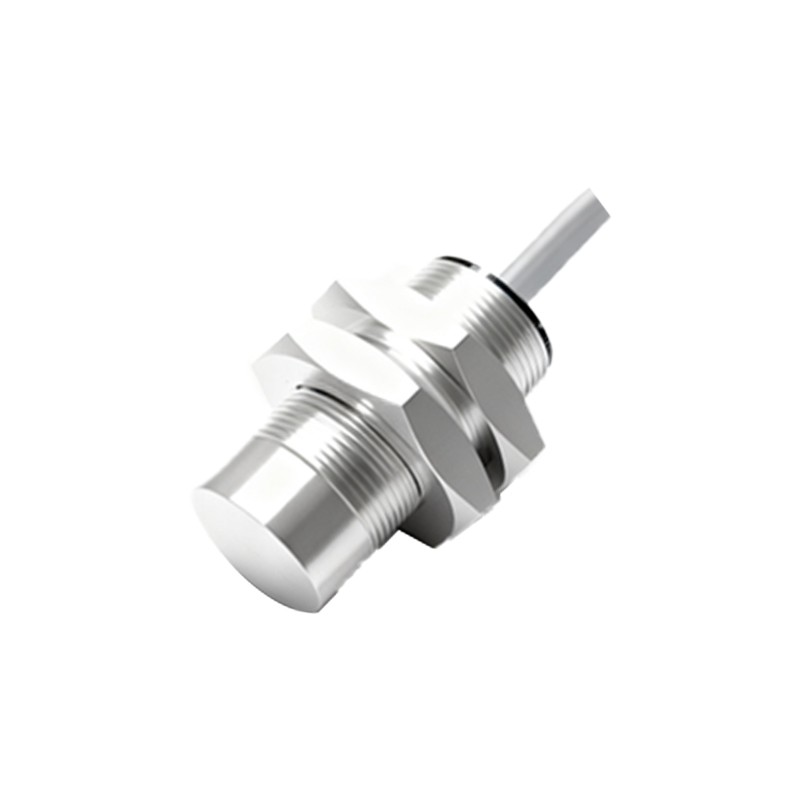
The advertised sensing distance is a fantasy in hostile environments. Take a standard 10mm-range inductive sensor. The datasheet assumes a clean, mild steel target. In reality, machined steel chips or conductive dust (like aluminum or brass fines) can form a "false bridge," effectively extending the sensing field and causing premature or erratic triggering. I've documented instances where this parasitic sensing effect created a 15-20% effective range increase, leading to catastrophic timing errors in high-speed indexing. Similarly, the much-touted IP67/IP69K rating for washdown environments is about pressure and time, not chemical compatibility. A common failure mode is the slow degradation of the sensor's face (often PBT or PPS plastic) from repeated exposure to high-pH caustic cleaners, leading to micro-cracks and eventual fluid ingress. The failure isn't sudden; it's a gradual drift in hysteresis that maintenance logs blame on "electrical noise."
Boundary Conditions: Where This Tool Breaks.
Proximity sensors are not universal detectives. Here are the hard stops:
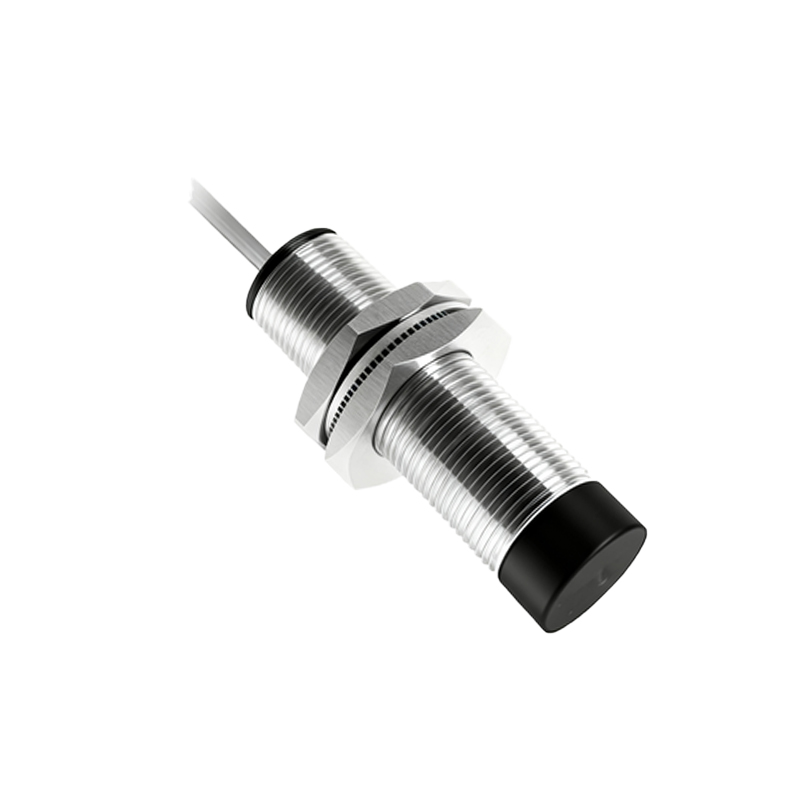
1. Non-Homogeneous or Hot Targets for Inductive Sensors: Detecting the edge of a hot steel billet (above 500°C) is problematic. The intense heat alters the electromagnetic properties of the target material (its permeability and resistivity), severely dampening the sensor's oscillating field. The effective sensing range can drop by over 50%. Don't trust it for critical positioning of red-hot metal.
2. Transparent or Low-Dielectric Materials for Capacitive Sensors: While touted for detecting liquids and non-metals, capacitive sensors fail predictably with materials of low dielectric constant (εr) that are also in motion. Think of thin, fast-moving PET plastic sheets (εr ~3.0) in a packaging line. Ambient humidity changes on the sensor face or conveyor belt can create a larger capacitive shift than the target itself, causing false positives. They are also notoriously sensitive to foam or bubbles in liquid detection, seeing the foam as "no target."
3. High-Vacuum or Extreme Pressure Environments: The internal potting compounds and housing seals are designed for atmospheric pressure gradients. In a high-vacuum chamber, outgassing from these materials can contaminate the process. Conversely, in high-pressure hydraulic systems, the housing may withstand the pressure, but the resultant stress can minutely deform the coil assembly in inductive sensors, shifting its resonant frequency and calibration permanently.
Counter-Intuitive Conclusion: Sometimes a "Worse" Sensor is the Better Solution.
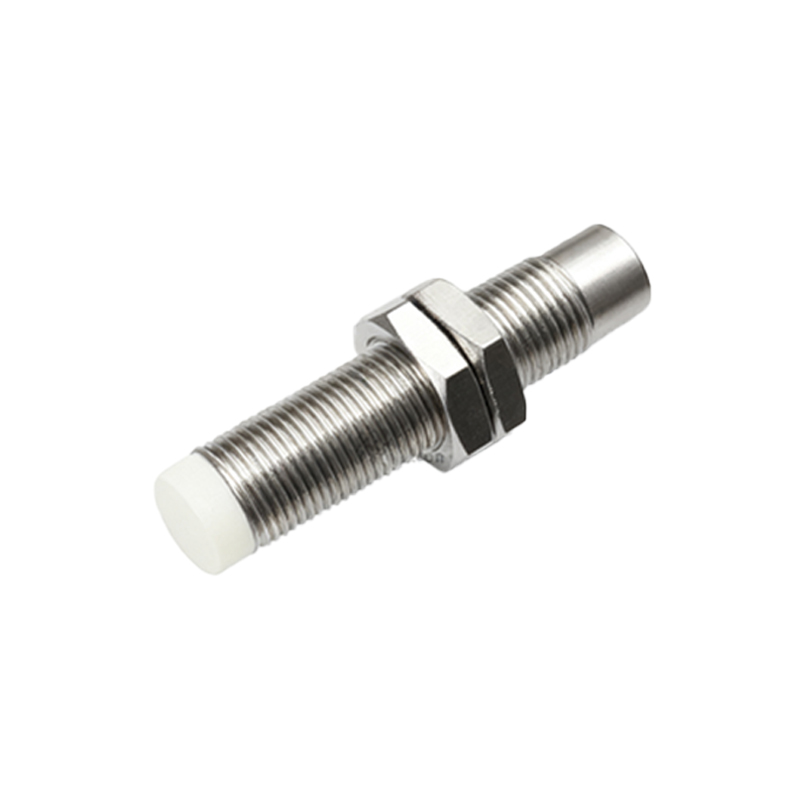
The pursuit of higher switching frequency and shorter response times can be a trap in noisy industrial environments. A faster sensor (e.g., 5 kHz) is more susceptible to capturing high-frequency electromagnetic interference (EMI) from VFDs (Variable Frequency Drives) or welding equipment as valid switching signals. In several retrofit projects, swapping a "high-performance" 1ms sensor for a "sluggish" 5ms, analog-style sensor with better RFI filtering dramatically increased system stability. The slower sensor acted as a natural low-pass filter, ignoring the EMI noise spikes that the faster unit interpreted as target pulses. The lesson: Benchmark against electrical noise, not just mechanical speed. Another paradox involves target material. For inductive sensors, a mild steel target is the benchmark. However, for ultra-precise, repeatable positioning (think micron-level), a sensor specifically characterized and calibrated for a stainless steel (typically 304 or 316) target often provides better long-term stability. Why? Mild steel's magnetic properties can vary slightly with minor stress or temperature changes, while austenitic stainless steel is paramagnetic and more consistent, providing a more reliable "electrical signature" once the sensor is tuned for it. You sacrifice a bit of nominal range for gained precision and repeatability.
The final word: Proximity sensing is a battle against context. The sensor doesn't fail; your application of its simplified model does. Specify not just the target, but the entire electromagnetic, thermal, and mechanical milieu it lives in.