For two decades, I've watched proximity sensors fail in ways the glossy brochures never mention. The industry is saturated with theoretical specs and lab-perfect data, creating a dangerous gap between expectation and gritty reality. Let's cut through the noise.
Experience Correction: The Illusion of "Standard" Ranges and Repeatability.
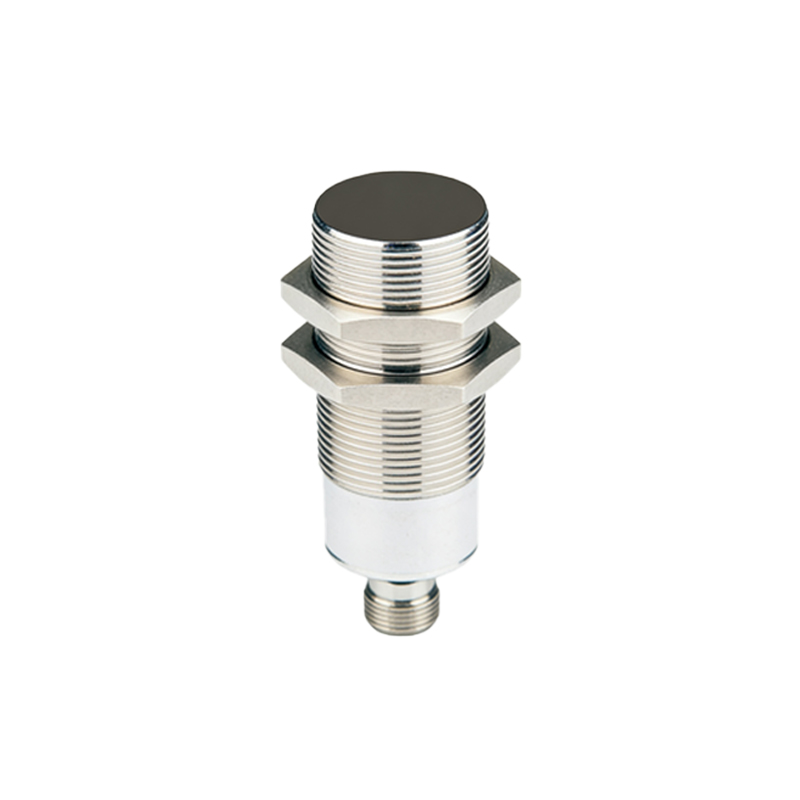
The stated sensing range and repeat accuracy are derived under ISO-controlled conditions: 23°C, 50% humidity, clean air, and a pristine, standardized target. In the real world, these numbers are the first casualty. Take a standard 10mm-range inductive sensor tasked with detecting a CNC machine's tool changer arm. The datasheet claims ±0.01mm repeatability. Now, introduce the environment: microscopic metallic swarf aerosol, cutting fluid mist, and cyclical temperature swings from 15°C to 45°C. Within three months, you'll witness a phenomenon I call "proximity drift." The effective sensing point can shift by as much as 0.5mm. This isn't sensor failure; it's the cumulative effect of ferrous particulate buildup on the active face altering the magnetic field's fringe characteristics, compounded by thermal expansion of the sensor's internal coil former. The fix isn't in the spec sheet: it requires specifying a sensor with a 50% longer nominal range than theoretically needed and implementing a weekly compressed-air purge protocol. The true "working range" is the one that survives the shop floor.
Boundary Conditions: Where Proximity Sensing Fundamentally Breaks Down.
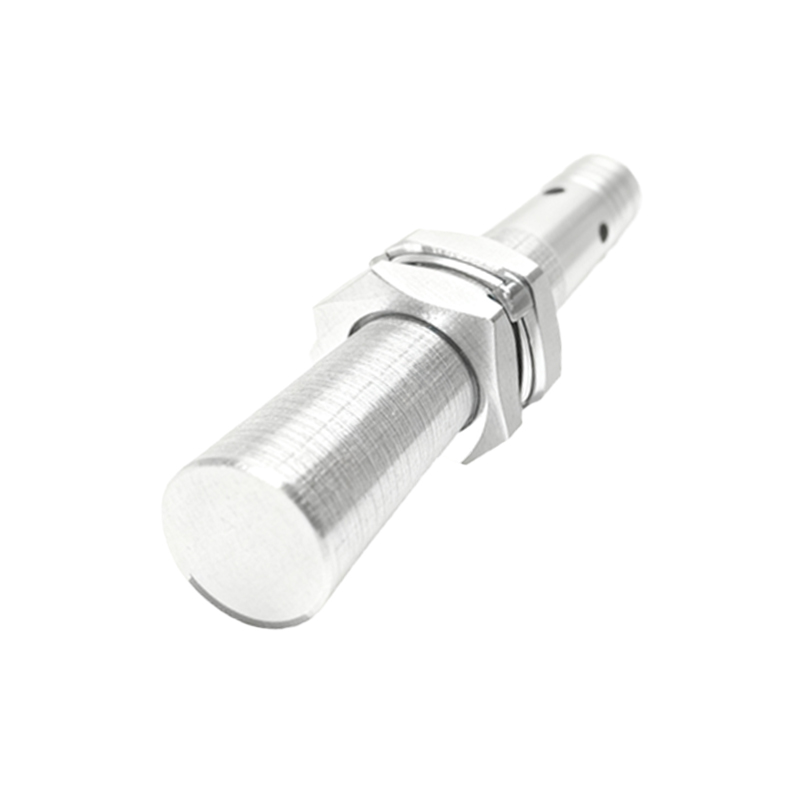
These are not "challenging" applications; they are contraindications. Using a standard capacitive or photoelectric proximity sensor for level detection of viscous, coating fluids (like adhesives or crude oil emulsions) is a recipe for disaster. The failure mode is not inaccurate reading; it's sensor death. These fluids don't just coat the lens or face; they form a persistent, conductive, or optically opaque film that becomes part of the sensing system. A capacitive sensor will eventually lock on, permanently reading "full." A photoelectric will fail outright. The boundary condition is any environment where the medium can adhere and permanently alter the sensor's surface properties. Similarly, using inductive sensors near high-frequency variable-frequency drives (VFDs) without proper shielding is a high-risk gamble. I've documented cases where the 10-20kHz carrier frequency from a 100kW VFD induced false triggering in sensors over 2 meters away, not through noise on the signal line, but through direct electromagnetic coupling to the sensor's oscillator circuit. The solution isn't always a "more robust" sensor; sometimes, it's switching to an entirely different sensing principle, like ultrasonic or mechanical paddlewheel, for that specific zone.
Counter-Intuitive Conclusion: A "Faster" Sensor Can Slow Down Your Entire Line.
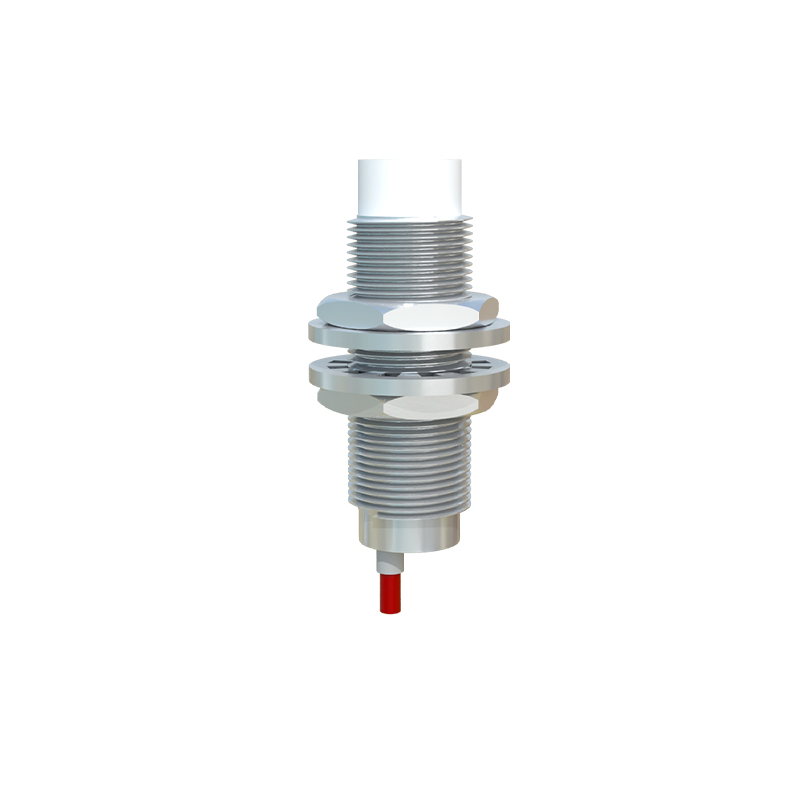
This is the insight that clashes with common sense: selecting a sensor with an ultra-fast response time (e.g., 0.1ms) for high-speed packaging or sorting can introduce systemic instability. Logic dictates faster is better for high-cycle operations. However, such hypersensitive sensors become excellent detectors of vibrational harmonics, fleeting reflections from conveyor belts, or electrical transients that a slightly slower sensor (e.g., 2ms) would legitimately ignore. In one automotive parts facility, the pursuit of millisecond savings led to a photoelectric sensor with a 0.05ms response being installed on a high-speed bottling line. The result was a 5% increase in false rejects because the sensor was capturing the vibration of the bottle next to the target bottle. The system's overall throughput dropped due to the downstream rejection handling. The data-supported principle: match the sensor's response time to the mechanical dwell time of the object in the sensing zone, not the theoretical maximum cycle time of your machine. A deliberate, minor delay often provides the necessary digital filtering for flawless operation. The ultimate performance metric is system uptime, not isolated component speed.
The takeaway is this: a proximity sensor's value is not defined in its catalog, but in its context. Specs are a starting point for conversation, not a guarantee of performance. Real-world reliability is engineered through an understanding of failure modes, environmental hostility, and system-level interaction—knowledge forged on the factory floor, not in the testing lab.