For two decades, I've watched proximity sensors fail in ways datasheets never mention. The industry is saturated with platitudes about IP ratings, sensing distances, and temperature ranges. Forget that. Let's talk about what happens when theory meets a grimy, vibrating, electrically noisy factory floor.
Experience Correction: The Gaps Between Spec and Reality
The first major deviation is in rated sensing distance. Manufacturers test with a standard 1mm-thick, mild steel target. In practice, you're sensing a weld seam, a gear tooth, or a rusty conveyor chain link. The effective sensing distance can drop by 30-50%. A sensor rated for 15mm might reliably trigger only at 8mm on a textured surface. The culprit is the "field factor" – a fudge number rarely published. For non-ferrous targets like aluminum, the derating is severe, often 60-70% of the ferrous rating. But the real killer is temperature drift. A sensor rated for -25°C to 70°C will see its hysteresis window shift by up to 15% at the extremes. That "10mm" setpoint at 20°C? It's effectively 8.5mm at -10°C, potentially causing missed counts. Relying on nominal sensing distance for critical positioning is a recipe for downtime.
Electrical noise immunity is another overstated parameter. CE and EMC certifications are achieved in controlled labs. On a line with variable frequency drives (VFDs) and welding stations, I've seen inductive sensors latch on permanently or oscillate wildly, despite "excellent noise immunity" claims. The solution is never in the datasheet: you need a ferrite core on the cable within 20cm of the sensor head, and shielded cable grounded at one end only—the control panel end. Grounding both ends creates ground loops that amplify the problem.
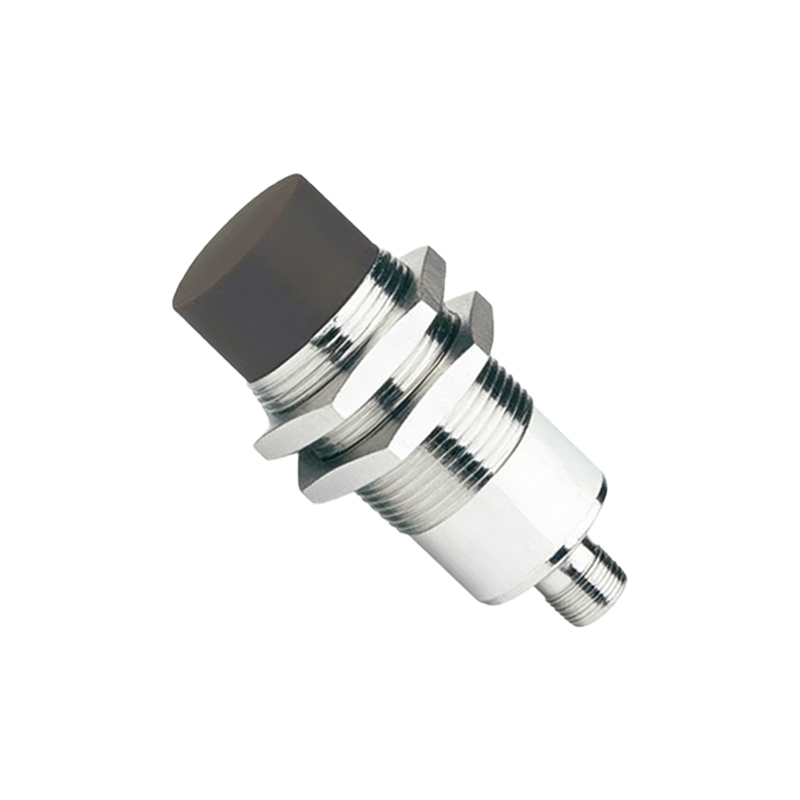
Boundary Conditions: When to Walk Away
These sensors have hard limits where failure is not just possible, but guaranteed.
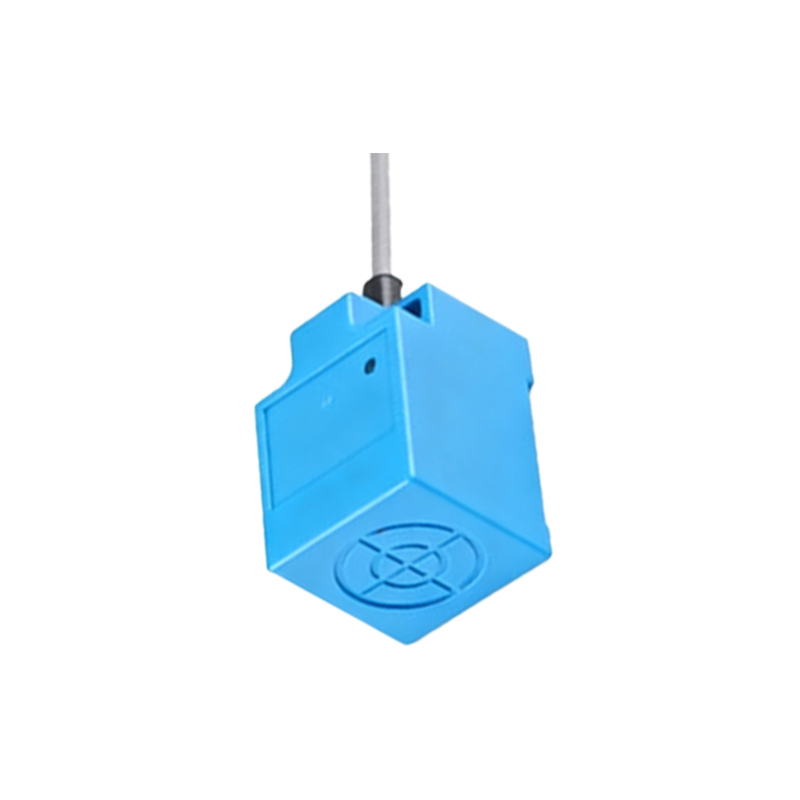
1. High-Speed Ferrous Debris Environments: In machining centers or stamping presses, a cloud of fine ferrous powder will cause permanent latch-on. The metal dust adheres to the sensing face, effectively creating a permanent "target." Hall-effect or even mechanical limit switches are superior here.
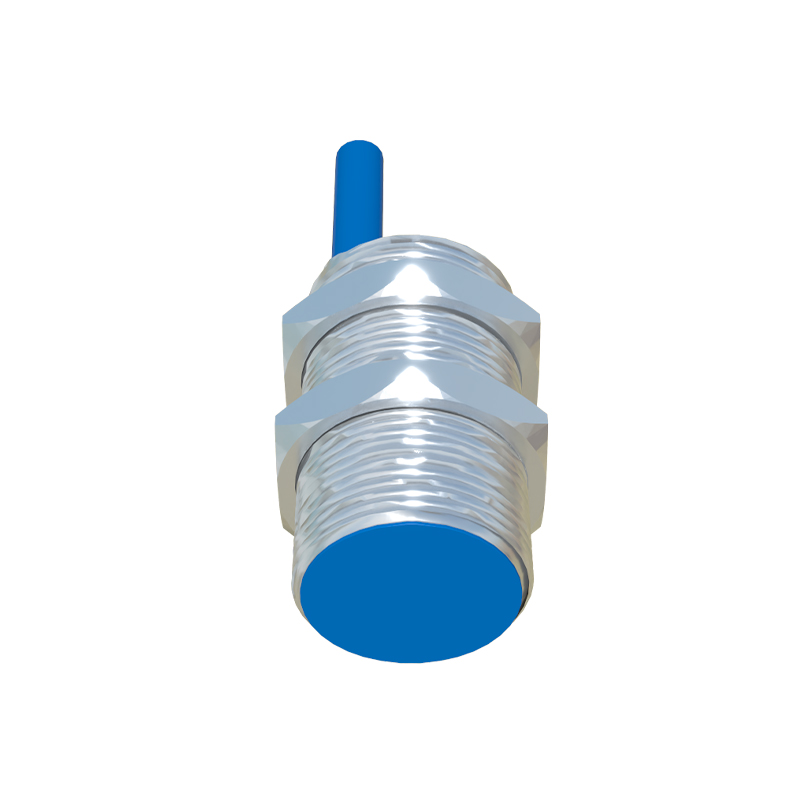
2. Extreme Pulsed Electromagnetic Fields: Near large solenoid valves or brake coils, the transient field can induce a voltage in the sensor's oscillator coil, triggering a false pulse. Physical separation (over 1 meter) or massive steel barriers are the only fixes.
3. Continuous Submersion in Coolants or Oils: While many have IP67/68 ratings, prolonged exposure to certain water-soluble coolants or synthetic oils degrades the epoxy potting compound. Over 6-12 months, the medium penetrates, causing internal corrosion and drift. Specify sensors with FKM (Viton) seals and potted with polyurethane resin for such duties.
4. Ultra-High Cycling with Inductive Loads: Driving a solenoid valve directly from a sensor's PNP output? At cycles above 5 Hz, the back-EMF from the inductive load will destroy the output transistor prematurely, often within months. An external flyback diode is non-negotiable.
Counterintuitive Conclusions: Data-Driven Insights That Defy Common Sense
1. A "More Expensive" Sensor Can Be a Costly Mistake. The premium-brand, ultra-short housing M8 sensor is often worse in high-vibration applications than a standard-length M12. The shorter body has less damping, leading to resonant frequency issues that crack internal solder joints. Vibration resistance (tested to 30g) is meaningless if the natural frequency of the housing matches your machine's dominant vibration (often 80-120 Hz). Sometimes, a longer, "cheaper" body is more robust.
2. Higher Switching Frequency Does Not Equal Better Response. A 5kHz sensor seems superior to a 1kHz model. However, the higher-frequency oscillator is more susceptible to capacitive coupling from adjacent cables or moist buildup on the face. In humid, dirty environments, the lower-frequency sensor provides more stable, glitch-free operation. Speed is useless without signal integrity.
3. Stainless Steel Housings Are Not Always Superior. The industry equates stainless steel with durability. For AC (inductive) sensors, a stainless-steel front face reduces the effective sensing distance by up to 20% compared to nickel-plated brass because stainless steel is a poor conductor for the eddy currents the sensor relies on. It's a trade-off: better corrosion resistance for worse performance. Know your priority.
4.