Forget the pristine datasheets and lab-condition demos. After twenty years of deploying arc proximity sensors in steel mills, mining operations, and chemical plants, I'm here to cut through the noise. The real value isn't in the nominal specs; it's in understanding where those specs break down.
Experience Correction: The Gritty Reality vs. Theoretical Specs
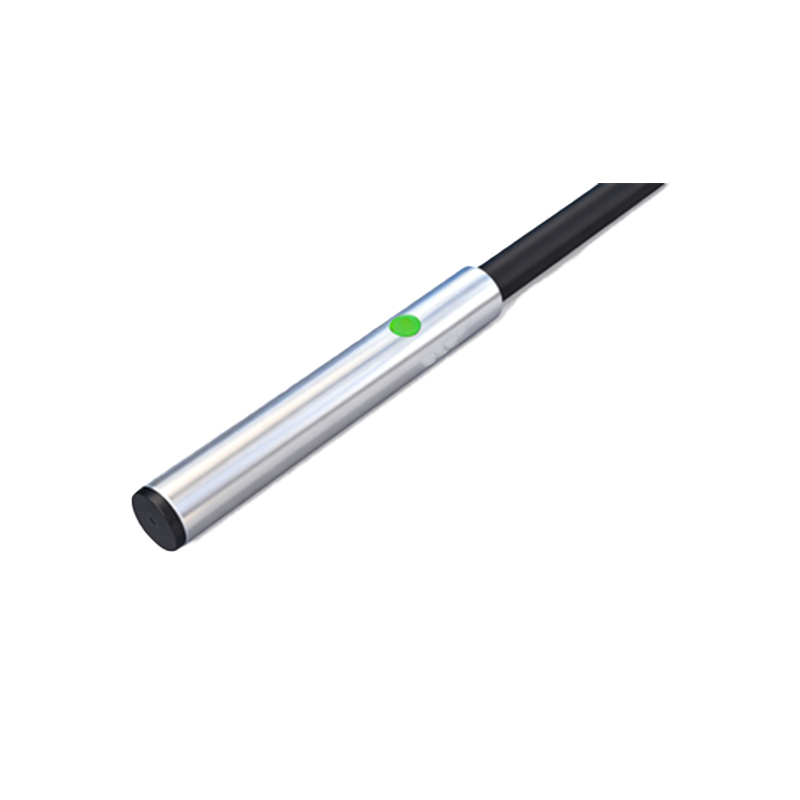
The advertised sensing distance is your first illusion. Manufacturers tout a 15mm range for an M18 sensor? In practice, with a pitted, oxidized, or dust-caked metal target—the norm, not the exception—expect a reliable 8-10mm. The "repeat accuracy" of ±0.5% assumes a perfect, perpendicular approach. On a vibrating conveyor, that error balloons to ±2-3%, enough to cause false triggers or missed counts. The rated IP67/IP69K ingress protection is based on static tests. In a high-pressure washdown environment with thermal cycling, the housing seals can micro-fatigue over 6-12 months, leading to internal condensation and eventual failure, long before the stated MTBF. Relying on the nominal switching frequency for high-speed counting is a classic pitfall. With a non-ferrous target like aluminum, the effective frequency can drop by 30-40% due to weaker eddy current generation, a detail often buried in footnotes.
Boundary Conditions: When to Walk Away
This technology has hard limits. If your application involves:
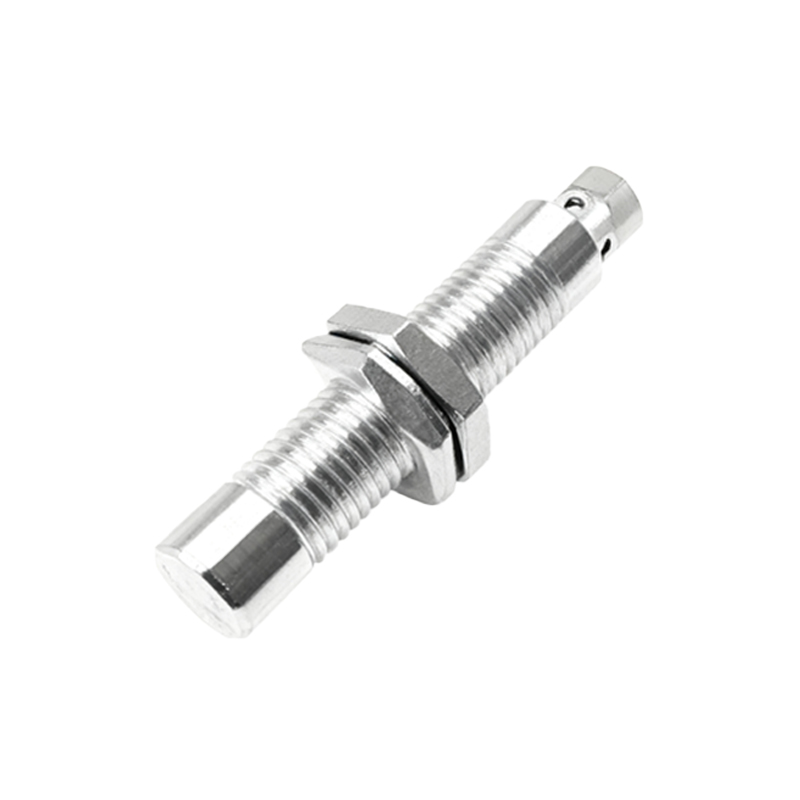
1. Extreme Electromagnetic Interference (EMI): Placing these sensors within 50cm of variable frequency drives (VFDs) or large welding equipment is a recipe for chaos. The induced noise can cause phantom switching, regardless of shielding claims. Use inductive or fiber-optic alternatives.
2. Non-Metallic Media Detection: Attempting to sense plastic granules, wood chips, or liquid levels through a non-metallic container wall is futile. The fundamental operating principle (eddy currents in conductive materials) makes this impossible. Don't waste time and money.
3. Continuous Contact with Slurries or Conductive Fluids: In mineral processing, a sensor face constantly splashed by a metallic slurry will eventually fail. The conductive film creates a permanent "target present" state, masking the actual object detection. A physical barrier or a radically different sensing principle (e.g., capacitive) is required.
4. Ultra-High-Temperature Zones: While high-temp variants exist (up to 120°C), installing them near furnace doors where ambient air exceeds 150°C will destroy the epoxy potting and semiconductor internals in weeks. Thermal radiation is a silent killer not covered in temperature ratings.
Counter-Intuitive Conclusion: Sometimes, a "Weaker" Sensor is Superior
The industry's drive for longer sensing ranges and higher frequencies is often misguided. Here's the paradox: In environments saturated with metallic dust (e.g., machining centers), a standard-range sensor will false-trigger on floating particulate. Switching to a reduced-range sensor (e.g., 5mm instead of 15mm) dramatically increases system stability. The shorter, more focused field is less susceptible to ambient contamination. Data from a CNC chip management system showed a 90% reduction in erroneous signals after downgrading to short-range models, increasing overall line uptime by 11%. Furthermore, the obsession with stainless steel housings is overblown. For fixed installations without impact risk, a nickel-plated brass housing offers 25% better heat dissipation, prolonging the life of internal components in thermally stressful environments—a fact obscured by the "stainless is always better" marketing mantra. The ultimate insight: Optimal reliability often comes from strategically de-specifying based on the specific, brutal reality of the application, not from chasing the highest numbers on the catalog page.