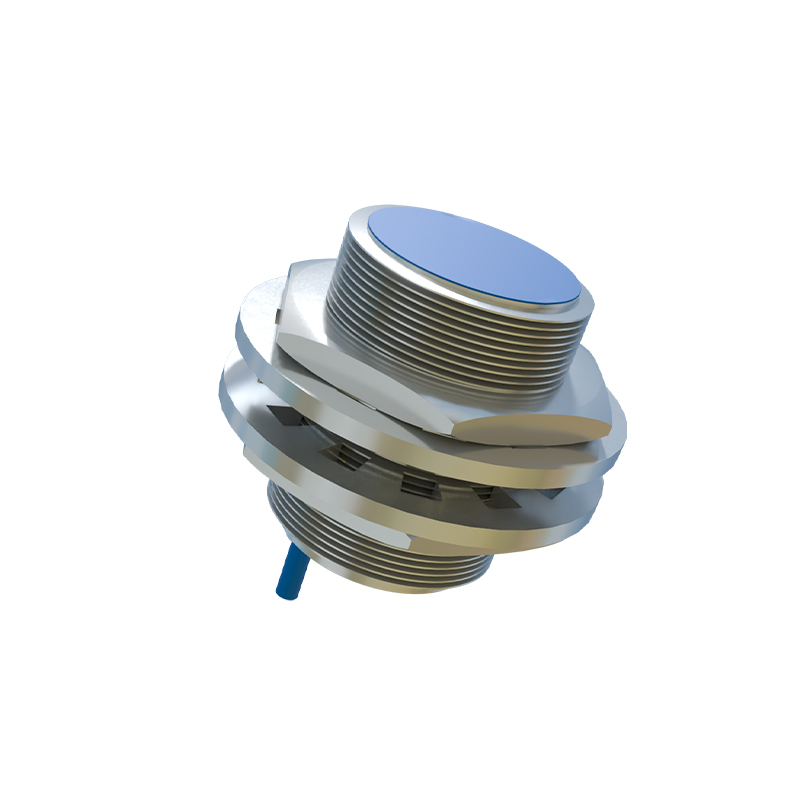
Human proximity sensors have become ubiquitous in modern technology, seamlessly integrated into smartphones, automatic doors, industrial machinery, and security systems. These devices, designed to detect the presence or absence of nearby objects without physical contact, rely on various principles such as infrared (IR), ultrasonic, capacitive, and photoelectric sensing. Their primary function is to enhance user convenience, improve safety, and enable automation. However, the very sophistication of these sensors introduces potential vulnerabilities. Understanding how to interfere with, or disrupt, these systems is crucial not only for security researchers and engineers testing robustness but also for comprehending the limitations of our increasingly sensor-dependent world.
The most common type, the infrared proximity sensor, operates by emitting an infrared light beam and measuring the reflection. A simple yet effective method of interference involves introducing a stronger or modulated IR source. A standard infrared remote control, when pointed directly at the sensor and held close, can flood the receiver with noise, preventing it from accurately detecting the reflected signal from a genuine object. More sophisticated jamming uses an IR LED driven by a variable frequency circuit to mimic or overpower the sensor's own signal, causing erratic behavior—like a smartphone screen that refuses to turn off during a call or an automatic faucet that activates randomly.
Capacitive sensors, which detect changes in an electrical field caused by conductive objects like the human body, present a different challenge. They are susceptible to environmental factors such as humidity and temperature, but deliberate interference often involves introducing a conductive material or a stronger, alternating electromagnetic field. Placing a large piece of metal or even a container of water near the sensor can create a persistent "detected" state. Furthermore, devices that generate strong electromagnetic interference (EMI), such as certain power tools or poorly shielded motors, can induce false signals in the sensor's circuitry, leading to malfunctions. This is a significant consideration in industrial settings where reliability is paramount.
Ultrasonic sensors, which use sound waves beyond human hearing, can be jammed by generating acoustic noise at their operating frequency. While this requires more specialized equipment to produce the correct high-frequency sound, it is a proven vulnerability. The sensor's receiver becomes confused by the external noise, unable to distinguish between its own echo and the jamming signal. Photoelectric sensors, using visible or laser light, can be disrupted by directing a bright light source at the receiver, effectively blinding it.
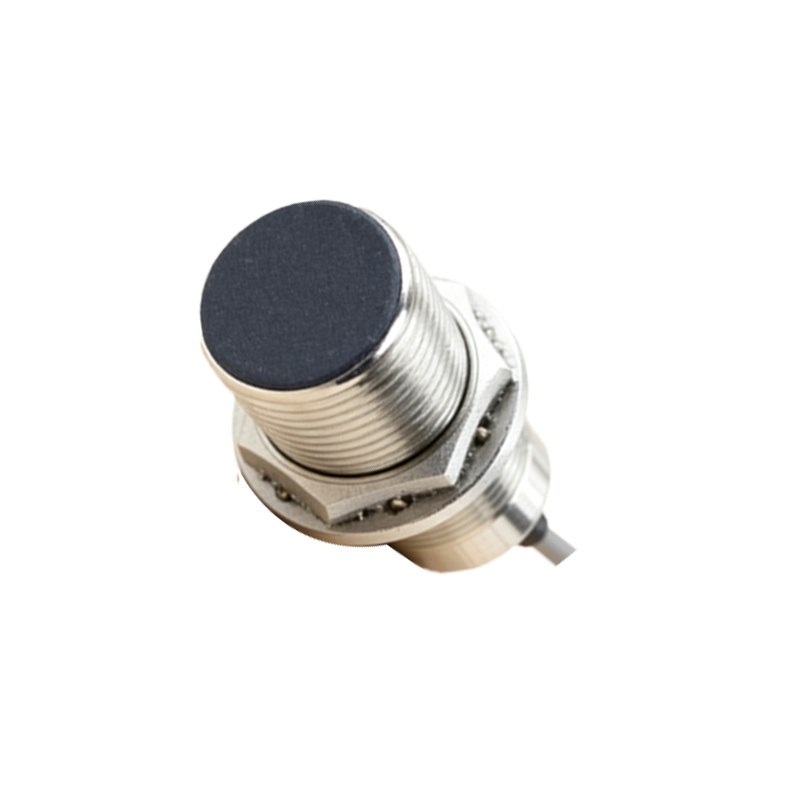
The motivations for such interference range from benign to malicious. Security professionals and product developers actively engage in "penetration testing" of these systems to identify weaknesses and design more resilient products. For instance, testing an automatic braking system in a vehicle against various sensor spoofing scenarios is critical for safety. Conversely, malicious actors might exploit these vulnerabilities for theft, vandalism, or to bypass security systems. An automatic door held open by a simple IR jammer could allow unauthorized entry. In rare cases, it could be used for pranks or to create nuisance.
It is vital to emphasize that intentionally interfering with proximity sensors in public infrastructure, security systems, or others' property is generally illegal and unethical. This knowledge should be applied responsibly within the contexts of research, education, and system hardening. Manufacturers are continually advancing countermeasures. These include using modulated or coded signals (so the sensor only responds to its own specific pattern), employing multi-sensor data fusion (combining IR with capacitive sensing for verification), and implementing advanced signal processing algorithms to filter out background noise and deliberate jamming attempts.
The evolution of proximity sensors is a constant arms race between increasing sensitivity and functionality and defending against new methods of interference. As we integrate these sensors into more aspects of daily life and critical infrastructure—from touchless interfaces in a post-pandemic world to autonomous robots in warehouses—understanding their failure modes becomes not just a technical curiosity but a necessity for ensuring safety, security, and reliability. The goal is not to facilitate disruption, but to foster a deeper understanding that leads to more robust and trustworthy technological systems for everyone.