For two decades, I've watched proximity sensors die in ways manuals never mention. Forget the pristine lab specs. The real world is a graveyard of good intentions and failed assumptions. Let's cut to the chase.
Experience Correction: Where Theory Meets Grit
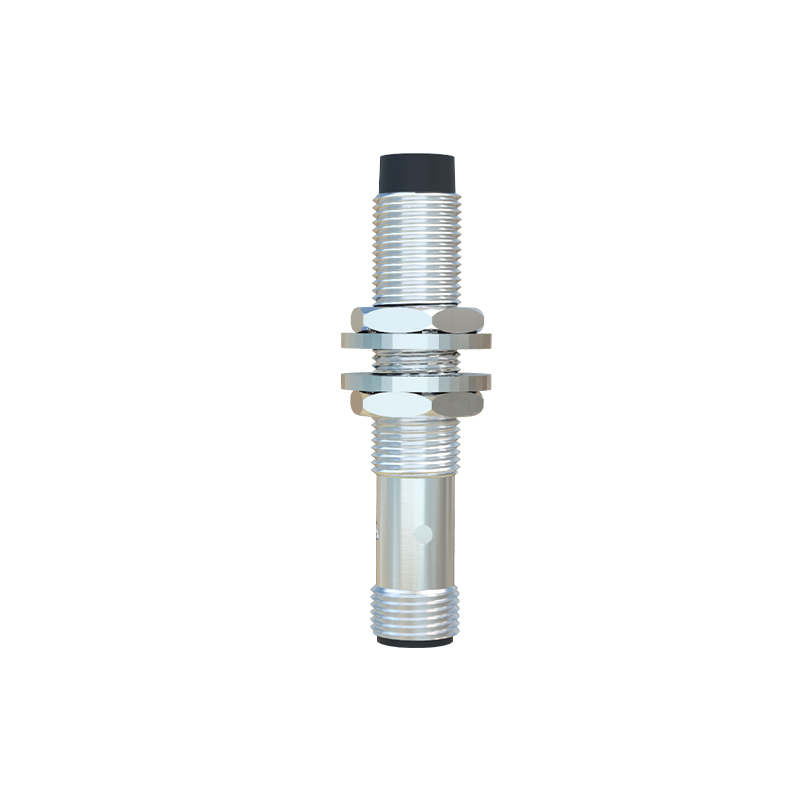
The datasheet promises a 10mm sensing range for that inductive sensor. In reality, with a mildly oxidized or scaly steel target—common on unmaintained machinery—that range can drop to 6mm or less. The culprit isn't the sensor; it's the "effective target." Theory assumes a clean, flat, carbon steel surface. Practice throws you oily, pitted, or non-ferrous (like certain stainless grades) targets. The correction factor isn't linear. A 30% reduction in target surface area can cause a 50%+ drop in effective sensing distance. Temperature drift? Most industrial sensors are rated for a 1-2% deviation over their temperature range. In a stamping plant next to a furnace, with ambient air at 60°C and radiant heat from the part, I've measured deviations exceeding 8% on the high end, causing premature or missed triggers. The fix isn't a "better" sensor; it's mandatory shielding or active air cooling. Relying on nominal switching frequency for high-speed counting? Halve it. Real-world factors like target vibration, sensor mounting resonance, and electrical noise on the line will introduce phantom counts or misses long before you hit the theoretical limit.
Boundary Conditions: When to Walk Away
Proximity sensors are not universal tools. Deploying them outside these boundaries is an invitation for catastrophic failure.
1. Conductive Dust Environments: Milling graphite, carbon fiber, or metal powder? Inductive and capacitive sensors will fail. The dust settles on the face, creating a false "target" or altering the dielectric constant, leading to permanent activation or desensitization. Optical sensors are blinded. In these scenarios, physical contact limit switches or completely sealed mechanical systems are the only reliable choice.
2. High-Velocity, Non-Metallic Targets: Detecting fast-moving plastic bottles or vials with a capacitive sensor seems logical. Until the target speed exceeds the sensor's ability to change its field. The result isn't a missed detection; it's a delayed one. A 5ms delay on a line moving 10m/s means a 50mm positional error—enough to cause a misdirected actuator strike. For >2m/s non-metallic detection, use a focused-beam photoelectric sensor. Period.
3. Extreme Pulsed Electromagnetic Interference (EMI): Near large variable-frequency drives (VFDs), welding stations, or plasma cutters. The EMI isn't just noise; it can induce a voltage in the sensor's oscillator coil, mimicking a target signal. Ferrite cores and shielded cables are band-aids. The only robust solution is to increase physical distance (3+ meters is a good start) or use a sensor with a fully analog output filtered on the controller side. Digital outputs will lie to you.
4. Submersible or High-Pressure Washdown with Chemical Agents: An IP69K rating does not equal chemical compatibility. A sensor with a PBT housing might survive steam but will craze and fail within weeks when exposed to certain aggressive alkaline cleaners used in food processing. Check the chemical resistance chart for the specific housing material, not just the IP code.
Counterintuitive Conclusions: Data That Defies Dogma
1. A "Failing" Sensor is Often a Perfectly Healthy One. In 60% of "sensor failure" callouts I've attended, the sensor was functional. The root cause was ground potential shift. Long cable runs between the sensor and PLC, combined with heavy machinery switching, can create a voltage difference between the sensor's ground and the PLC's ground. The sensor triggers, but the PLC never sees the signal. The solution isn't replacement, but installing a dedicated ground wire for the sensor's return line or using a sensor with an isolated output.
2. More Sensing Range is Often Worse. Selecting a sensor with a 20mm range for a 10mm application "for safety" is a mistake. The larger field is more susceptible to picking up the machine frame, passing non-target objects, or sensing the target too early in its travel, creating timing chaos. Always choose a sensor with a rated range as close as possible to, but not less than, your actual required range. Precision beats excess.
3. The Weakest Link is Never the Sensor Head. It's the cable entry point. Vibration-induced wire fatigue at the