Forget the pristine data sheets. After two decades of deploying small inductive and capacitive proximity sensors in foundries, chemical plants, and automated assembly lines, the real performance story is written in grease, metal shavings, and electromagnetic noise. Here's what the brochures and introductory guides won't tell you.
Experience Correction: The Gritty Reality vs. Theoretical Specs
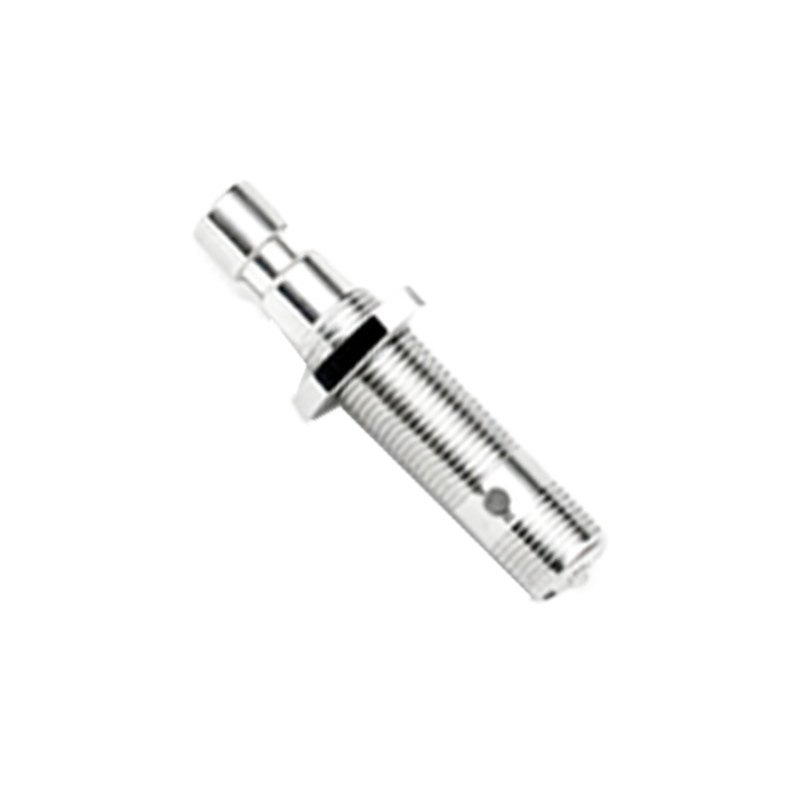
The advertised sensing distance (Sn) is a laboratory fantasy. In practice, you must apply a "dirt factor" of 0.5 to 0.7. A sensor rated for 8mm will reliably detect a clean, standard target at 8mm. Introduce the real world—a layer of machining oil, iron dust, or mild target oxidation—and your effective range drops to 4-6mm. The "repeat accuracy" spec is equally fragile. Vibration from nearby machinery can shift the trigger point by up to 10% of Sn. We've logged cases where a 5mm sensor's trigger point wandered ±0.5mm on a stamping press frame, causing intermittent faults. The fix isn't in the sensor settings; it's in mounting isolation and overspec'ing the nominal range by at least 60%. Temperature drift is another silent killer. A sensor rated for -25 to 70°C might maintain its switching function, but its hysteresis curve flattens near extremes. At 65°C ambient, we've measured a 15% reduction in maximum switching frequency on standard models, leading to missed counts on high-speed conveyors. Always derate the frequency specification by 20% for sustained high-temperature operation.
Boundary Conditions: When This Tool Breaks
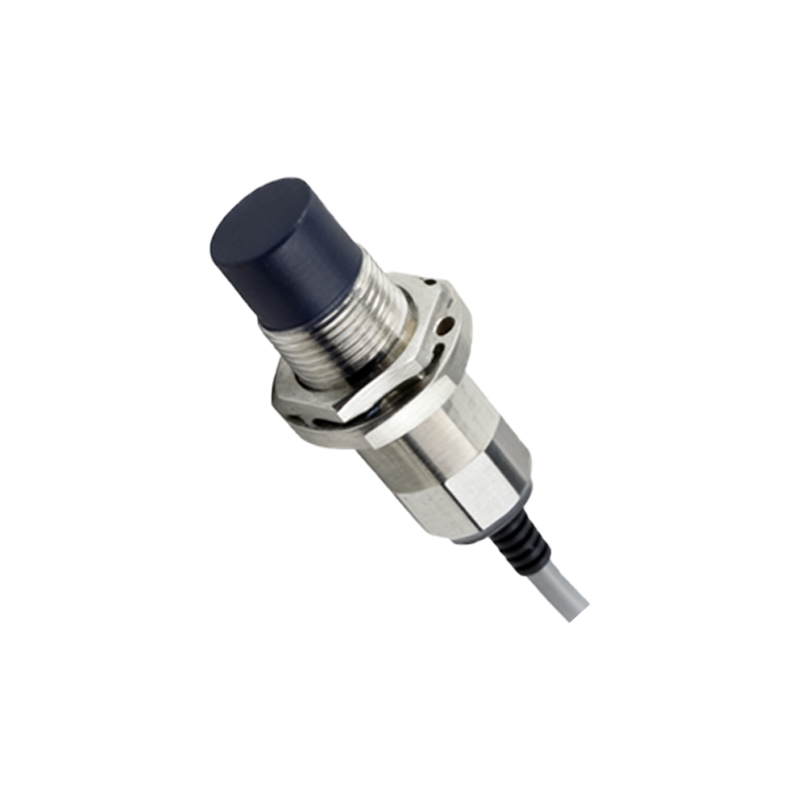
These sensors are not universal detectives. Knowing their failure modes is critical.
1. Non-Ferrous Targets in Electrically Noisy Environments: An inductive sensor detecting aluminum on a line with variable frequency drives (VFDs) is a recipe for chaos. The sensor's oscillator field interacts unpredictably with VFD-induced electromagnetic interference (EMI), causing false triggers or dead zones. We've traced entire production line stoppages to this interplay. The solution is either a ferrous target, heavy EMI shielding, or a different sensing principle altogether.
2. Conductive Contaminants for Capacitive Sensors: Capacitive sensors are hailed for detecting non-metals. However, if the material they're sensing (like plastic granules) is contaminated with conductive dust (e.g., carbon black or metallic powder), the field couples to the dust, not the target mass. The output becomes erratic and unreliable. In a food packaging plant, flour dust (slightly conductive) rendered capacitive level sensors useless until we switched to ultrasonic technology.
3. High-Speed Small-Diameter Targets: A sensor with a 1ms response time seems fast enough for a 5mm bolt head passing at 2 m/s. Theory says it should work. Practice fails. The target's small surface area relative to the sensor face creates a fleeting, weak signal. Coupled with mechanical vibration, the detection consistency plummets below 90%. For targets less than 50% of the sensor face diameter, treat the published response time as irrelevant. You need a sensor with a faster response and a focused field, or a redesign of the target presentation.
Counter-Intuitive Conclusions: Data-Driven Heresies
1. A "Less Sensitive" Sensor is Often More Robust: In environments with airborne conductive particles (e.g., coolant mist), turning down the sensitivity on a capacitive sensor—or using a model with a lower nominal range—increases reliability. A "hotter" sensor sees the mist as a target, causing constant activation. A "colder" sensor ignores the mist and only triggers on the dense, intended target. Maximizing sensitivity often minimizes uptime.
2. Shielded Models Can Be Weaker in Key Scenarios: Shielded (flush-mountable) inductive sensors are praised for ignoring adjacent metal. However, their dampened magnetic field makes them profoundly susceptible to misalignment. An unshielded (non-flush) sensor can tolerate up to 15 degrees of angular misalignment with a ferrous target. A shielded sensor's effective range collapses with misalignment beyond 5 degrees. In poorly aligned or flexing mechanical systems, the unshielded type provides a more forgiving and stable solution.
3. The Core Material Matters More Than the Circuit: The industry obsesses over output types (PNP/NPN) and housing material (stainless steel vs. brass). The true differentiator in harsh environments is the potting compound and the coil wire insulation. In thermal cycling environments, cheap epoxy potting cracks, allowing humidity to ingress and eventually kill the oscillator. We've conducted