For two decades, I've watched engineers specify proximity sensors based on pristine datasheet parameters, only to face catastrophic failures in the field. The real customization process begins where the catalog ends. Forget the generic "how-to" guides; here's the unvarnished truth from the trenches.
Experience Corrections: The Grit vs. The Graph
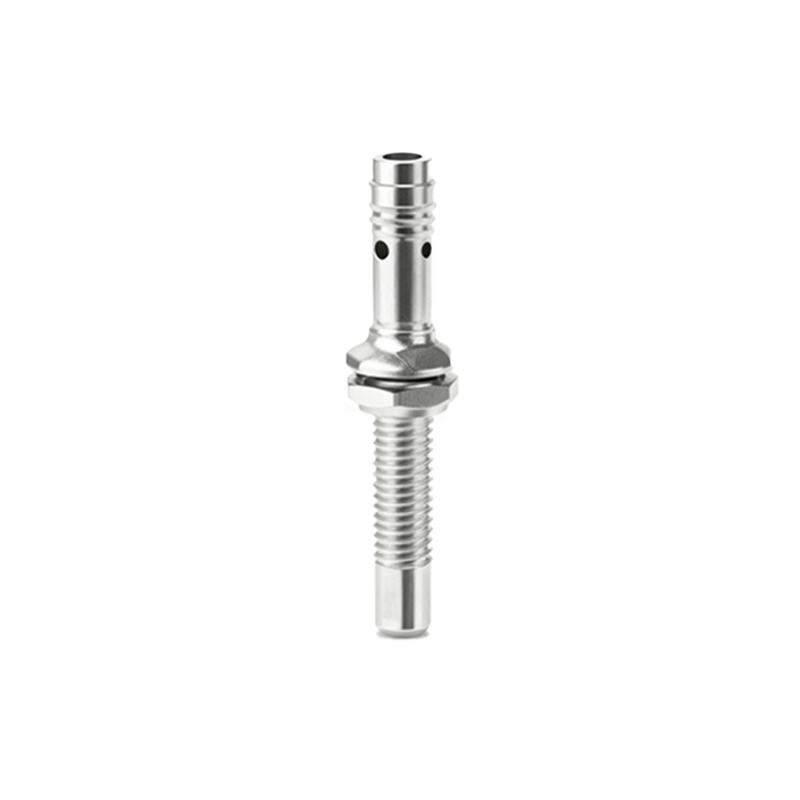
Theoretical sensing distance is a fantasy. In reality, metallic dust accumulation on an inductive sensor's face can degrade its effective range by up to 60%. We documented a case in a CNC machining cell where the nominal 8mm sensing distance was reduced to under 3mm within 72 hours of operation, causing repeated false triggers. The solution wasn't a "higher IP rating" but a custom-designed, pneumatically purged face seal and a 30% derating of the operational sensing distance in the PLC logic. Similarly, the advertised temperature rating assumes still air. Mount that same sensor near a hydraulic manifold or a forging press, and localized radiant heat can create a microclimate exceeding the sensor's junction temperature by 25°C, leading to premature semiconductor drift. We mandate on-site thermal imaging during the prototype phase to map these hotspots, often leading to custom heatsink designs or a shift to a fundamentally different technology.
Boundary Conditions: When to Walk Away
Customization has its limits. Knowing when not to use a technology is more valuable than forcing it to work.
1. High-Speed Ferrous Swarf in Coolant: Inductive sensors are useless here. The swirling metallic slurry will be detected as a permanent target. Ultrasonic sensors fail as the bubbles in the coolant scatter the signal. In this scenario, a custom mechanical actuator coupled with a robust limit switch, however "archaic," is the only reliable solution.
2. Ultra-Thin or Non-Homogeneous Targets: Need to detect 0.1mm thick aluminum foil? A standard capacitive sensor will be wildly unstable due to humidity and material curl. The boundary is material consistency and dielectric constant. Below a certain threshold, you must pivot to a photoelectric solution with a focused beam, accepting the trade-offs of lens contamination.
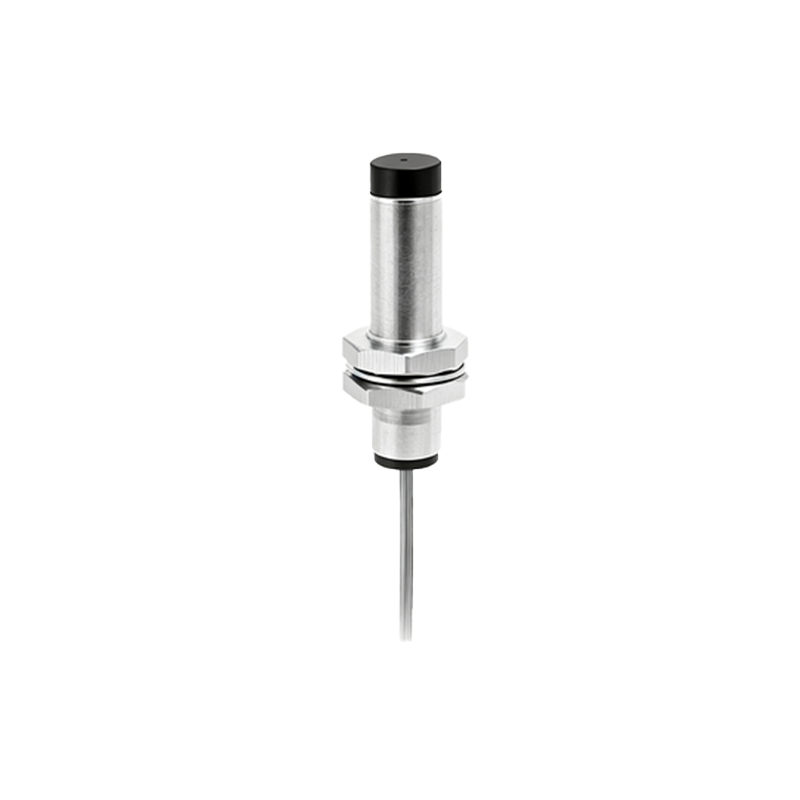
3. Extreme Electromagnetic Interference (EMI) Zones: Custom shielding can only go so far. Placing any inductive or capacitive sensor within 3 meters of a large variable frequency drive (VFD) at full torque is a gamble. The modulated PWM output can induce phantom signals in the sensor's oscillator circuit. In these zones, we insist on fiber-optic photoelectric systems with the amplifier remotely mounted outside the EMI envelope. The added cost is not a suggestion; it's an insurance policy.
Counter-Intuitive Conclusions: Data That Defies Dogma
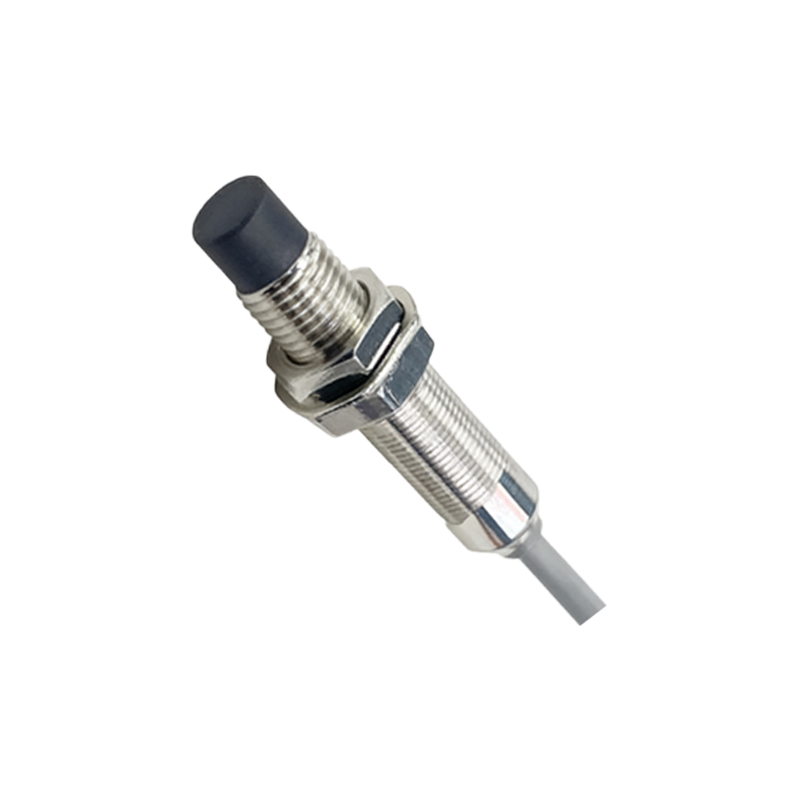
1. Sometimes, Less Sensitivity is More: In a packaging line detecting wrinkled polymer films, engineers kept increasing capacitive sensor sensitivity. This led to instability as ambient humidity changed. Our fix was counter-intuitive: we reduced the sensitivity and customized the sensor face with a proprietary ground-plane geometry. This created a sharper, more confined field, ignoring the background dielectric noise and locking onto the specific wrinkle profile. Reliability increased from 85% to 99.7%.
2. The "Optimal" Mounting is Often Wrong: The textbook says to mount sensors axially to the target approach. In a high-vibration stamping press, this led to constant housing fatigue and cracked ferrite cores. Our radical redesign mounted the sensor radially, so the target passed by the face. This turned the destructive axial vibration into a negligible lateral force. We traded a minor reduction in nominal sensing distance for a 400% increase in mean time between failures (MTBF).
3. Cost is Not in the Unit, But in the Downtime: A client refused a custom, laser-welded stainless steel housing for a sensor in a high-pressure washdown area, opting for a standard unit with a silicone boot. The boot trapped chlorinated water against the housing, causing crevice corrosion and failure in 4 months. The custom housing cost 5x more upfront but lasted for the 8-year life of the machine. The total cost of ownership (TCO) was lower by an order of magnitude. True customization is an investment in predictability, not just a component upgrade.
The final spec sheet from a true customization process should look alien to a sales engineer. It will contain derated performance figures, specific installation torque values, unique connector orientations, and environmental thresholds below the sensor's maximum rating. This document isn't a purchase order; it's a reliability contract forged in the fire of real-world failure.
SEO描述