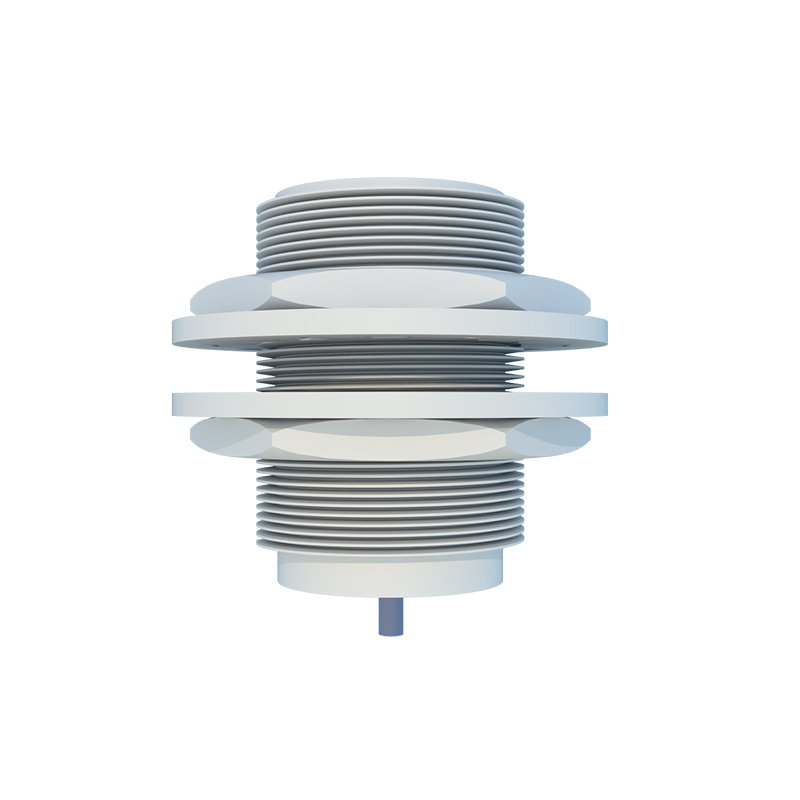
In the intricate world of modern security and automation, a small, often unseen component plays a pivotal role in ensuring seamless operation and safety: the proximity switch sensor for door locks. Far from being a simple mechanical part, this sensor represents a sophisticated fusion of electronics and practical engineering, acting as the critical interface between a physical door and an intelligent access control system.
At its core, a door lock proximity sensor is a non-contact electronic device. Its primary function is to detect the presence or absence of a door in its closed position relative to the door frame. Unlike traditional mechanical switches that require physical contact, proximity sensors operate by emitting an electromagnetic field or a beam of radiation and looking for changes in the field or return signal. The most common types used in door applications are inductive, magnetic (reed switch), and, increasingly, capacitive sensors. Inductive sensors detect metallic targets—like a metal strike plate—while magnetic sensors use a magnet and a reed switch assembly. When the door is closed, the magnet aligns with the reed switch, causing it to close the circuit and signal "door secured."
The integration of these sensors transforms a basic locking mechanism into a node in a smart network. In residential settings, this technology provides homeowners with real-time status updates. Is the front door truly locked? Is the garage door fully closed? The sensor provides a definitive, electronic answer, enabling features like automated alerts to smartphones, integration with security alarms, and联动 with lighting or HVAC systems. For instance, a system can be programmed to turn off the air conditioning when a sensor confirms the door has been left open for an extended period.
Commercial and industrial applications rely even more heavily on this reliability. In office buildings, proximity sensors on fire doors are essential for life safety systems, ensuring doors are properly closed to contain smoke and fire. In controlled environments like laboratories or server rooms, sensors confirm airtight sealing. For high-security areas, the sensor's status is a non-negotiable part of the access log, providing an audit trail that confirms not just who accessed a door, but when and whether it was properly re-secured.
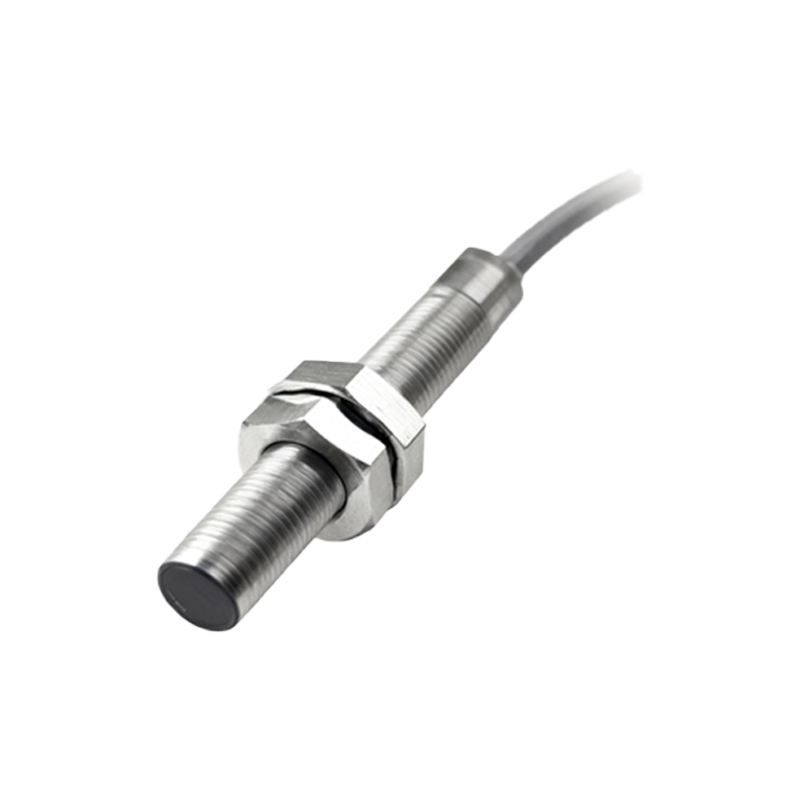
The advantages are clear. First and foremost is reliability. With no moving parts subject to wear from physical contact, quality proximity sensors offer exceptional longevity and consistent performance. They are immune to issues like dirt, minor misalignment, or environmental factors that could jam a mechanical switch. This leads to reduced maintenance costs and higher system uptime. Secondly, they enable automation. The clean, electronic signal is perfect for feeding into programmable logic controllers (PLCs), building management systems (BMS), or smart home hubs, enabling complex, automated sequences of events based on door status.
When selecting a proximity sensor for a door lock application, several factors must be considered. The sensing range, typically a few millimeters for these applications, must be precise. The housing material needs to withstand the environment—stainless steel for harsh conditions, engineered plastics for indoor use. Output type is crucial: a simple two-wire switch (AC or DC) or a three-wire transistor (NPN or PNP) output must match the control system's input requirements. For outdoor or high-traffic doors, sensors with higher ingress protection (IP) ratings are necessary to resist dust and moisture.
Installation and alignment are critical for optimal performance. The sensor, usually mounted on the door frame, and the target (actuator or magnet), mounted on the door, must be aligned within the specified tolerance when the door is closed. Proper wiring, following manufacturer guidelines and local electrical codes, is essential to prevent signal interference or damage.
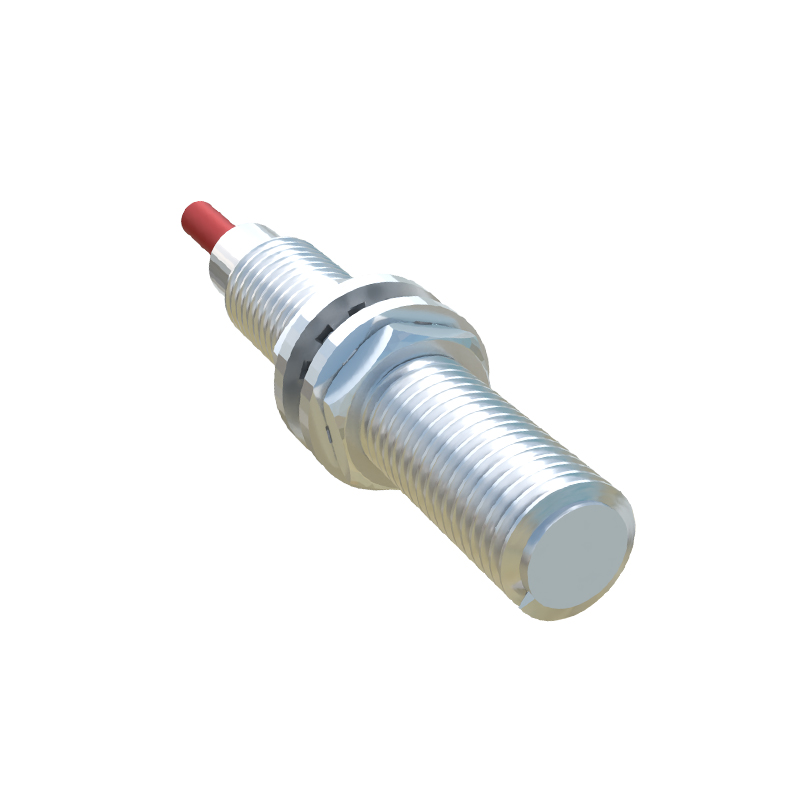
Looking ahead, the role of the proximity sensor is evolving alongside the Internet of Things (IoT). Future sensors will not only report "open" or "closed" but may also embed diagnostics, reporting their own health status, or integrate with biometric and wireless lock systems for a more holistic security posture. They remain the fundamental, reliable component that makes intelligent access control not just possible, but practical and dependable.
In conclusion, the humble proximity switch sensor is far more than a switch. It is the essential sentinel that provides the definitive digital truth about a door's state. By bridging the physical and digital worlds, it forms the foundational layer for safety, security, and automation in our homes, workplaces, and institutions, operating silently and reliably behind the scenes.