In the world of industrial automation and electronic control, the ability to detect the presence or absence of an object without physical contact is fundamental. This is the core function of proximity sensor switches. Unlike mechanical limit switches, these devices operate by emitting an electromagnetic field, beam, or acoustic wave and sensing changes in the return signal. The measurement performed by a proximity switch is binary: it indicates whether a target object is within a specified detection range or not. This simple yet powerful measurement forms the backbone of countless counting, positioning, inspection, and safety applications across manufacturing, automotive, packaging, and material handling industries.
The principle of measurement varies significantly depending on the sensor technology. Inductive proximity sensors are among the most common. They generate an oscillating electromagnetic field from a coil. When a metallic object enters this field, eddy currents are induced in the target, which dampens the oscillation. The sensor's internal circuit detects this damping and triggers a solid-state switch, typically an NPN or PNP transistor output. The key measurement here is the "switching distance" or nominal sensing range, specified for a standard target. Factors like target material, size, and temperature can affect the actual sensing distance.
Capacitive proximity sensors operate on a different principle. They can detect both metallic and non-metallic materials, such as plastics, liquids, or wood. The sensor forms one plate of a capacitor, with the target object acting as the other plate. As the object approaches, the capacitance increases. When it reaches a threshold, the oscillator begins to oscillate, triggering the output switch. The sensitivity of these sensors is often adjustable, allowing them to "measure" the presence of materials through thin barriers, making them ideal for level detection in tanks.
Ultrasonic sensors measure the time-of-flight of sound waves. They emit high-frequency acoustic pulses and measure the time it takes for the echo to return. While often used for analog distance measurement, they are frequently configured as switches with set "ON" and "OFF" points. For instance, a sensor can be programmed to switch its output when an object comes within 10 centimeters. Photoelectric sensors, using infrared or laser light, function similarly, detecting the interruption or reflection of a light beam to make a presence/absence measurement.
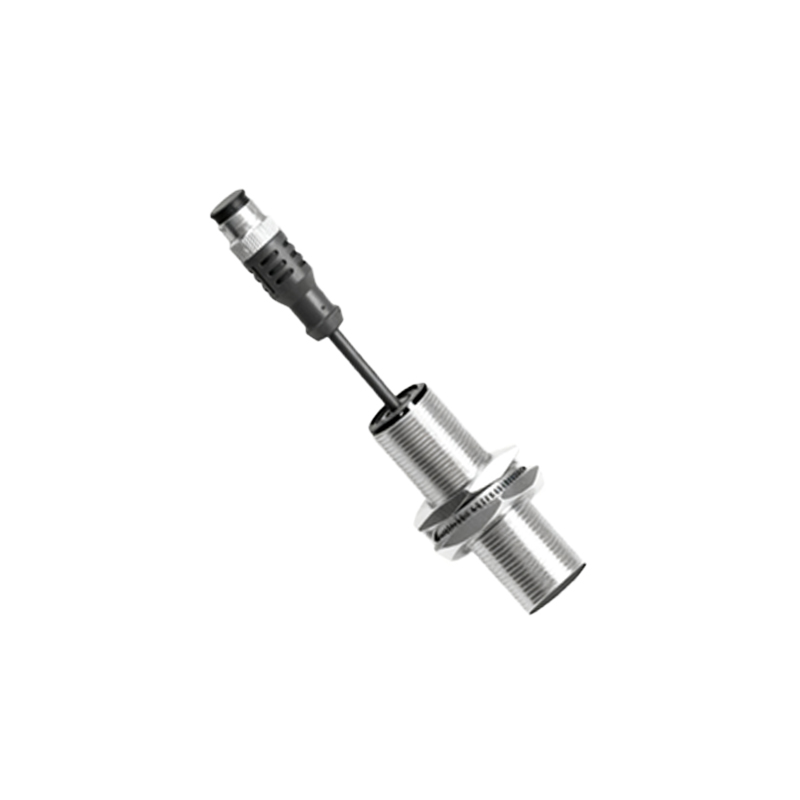
The accuracy and reliability of the proximity switch's measurement are paramount. Key performance specifications include the nominal sensing distance (Sn), the operational or effective sensing distance (which is 0.9Sn for guaranteed operation under defined conditions), and the hysteresis. Hysteresis is the difference between the switch-on point (as the target approaches) and the switch-off point (as it moves away). This feature prevents output chatter when a target is positioned at the exact sensing limit, ensuring a clean, single switching action. Repeatability, or the sensor's ability to trigger at the same point consistently, is another critical measurement parameter, often within microns for high-precision applications.
Environmental factors heavily influence measurement integrity. Inductive sensors may have reduced range for non-ferrous metals. Capacitive sensors can be affected by humidity or contaminants. Ultrasonic and photoelectric sensors may struggle with sound-absorbing materials, dust, or ambient light. Proper selection, installation, and shielding are essential. For example, flush-mounted inductive sensors are less susceptible to side interference from adjacent metal, while non-flush types offer longer ranges. Maintaining a clean sensing face is crucial for all types.
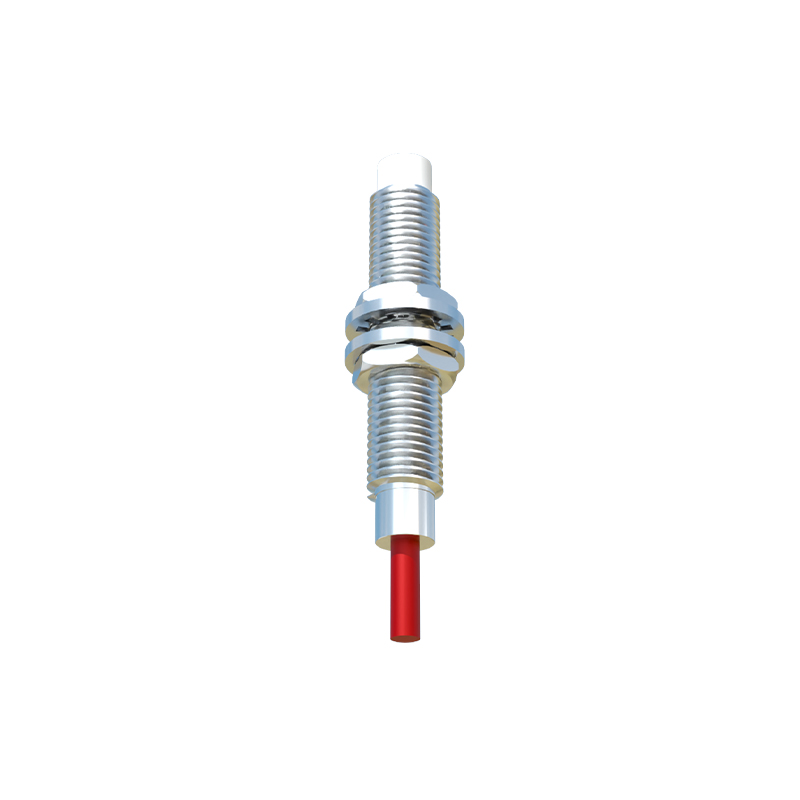
The output of the measurement is an electrical signal. The two primary DC output types are NPN (sinking) and PNP (sourcing), defining how the switched load is connected relative to the power supply. A two-wire AC/DC sensor acts like a switch in series with the load. The choice depends on the control system's input card (PLC, relay). The load current and voltage ratings must not be exceeded. For high-speed counting or positioning, the sensor's response time—the delay between target detection and output change—becomes a vital measurement. Fast sensors have response times in microseconds.
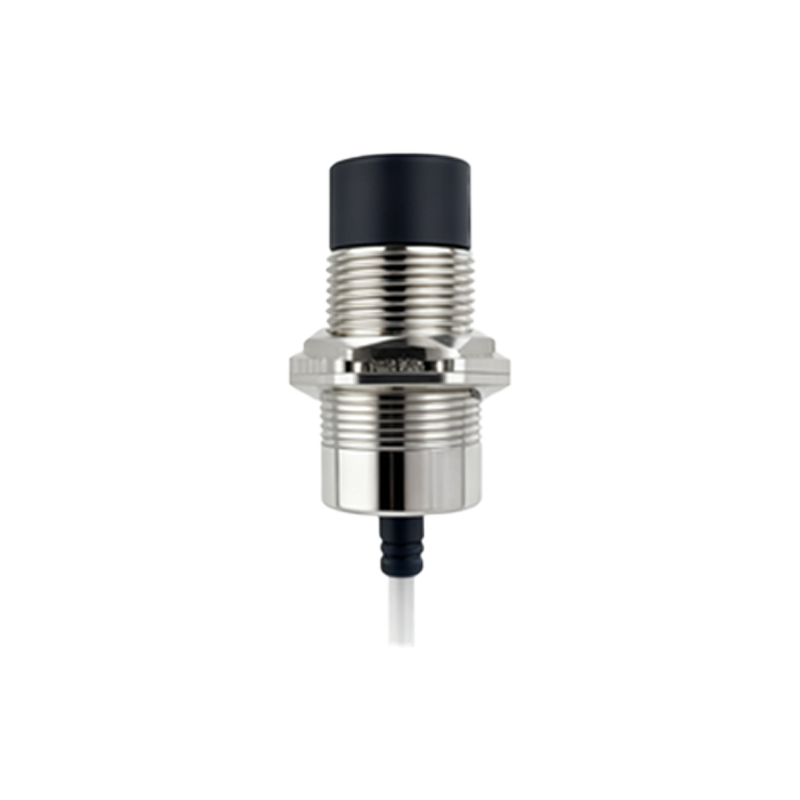
In application, the measurement setup is critical. The sensor must be mounted securely to avoid vibration-induced errors. The approach direction should be axial for most sensors. The target material, size, and shape must meet the sensor's specifications; a standard target is usually a square of mild steel for inductive sensors. For small parts, the target should be at least equal to the sensor's sensing face diameter. Testing under real operating conditions is the final step to verify the measurement reliability, ensuring the switch activates consistently without false triggers.
From ensuring a robotic gripper has picked up a component to verifying a bottle cap is present on a filling line, the humble proximity switch performs a vital measurement task millions of times a day. Its success lies not in complex analog data, but in a supremely reliable digital answer to a simple question: "Is the object here?" Understanding