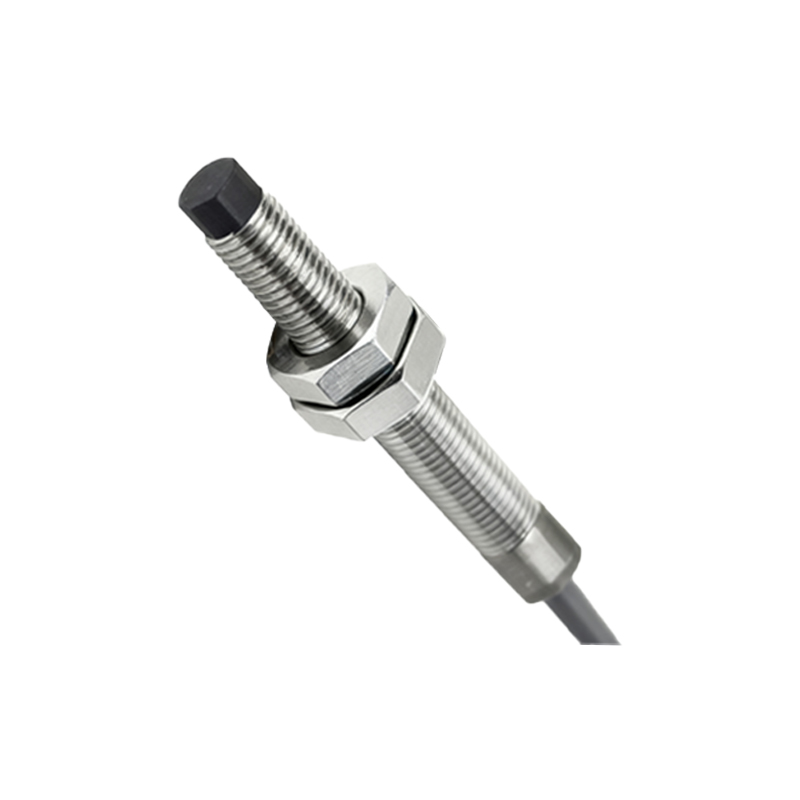
In the realm of industrial automation and smart device design, the circular proximity sensor stands as a fundamental component. Its primary function is to detect the presence or absence of an object within a specified range without any physical contact. This non-contact detection capability is crucial for applications demanding high reliability, speed, and durability, such as in manufacturing assembly lines, packaging machinery, and automotive systems. Unlike rectangular or other form factors, the circular housing is often preferred for its ease of installation, robust construction, and standardized mounting options.
When discussing circular proximity sensor models, the classification typically revolves around their underlying sensing technology. The three predominant types are inductive, capacitive, and photoelectric sensors, each with distinct operational principles and ideal use cases.
Inductive proximity sensors are the most common variant in industrial settings. They generate an electromagnetic field and detect the eddy current losses caused when a metallic object enters this field. Key specifications for inductive models include sensing distance, which can range from a few millimeters to several tens of millimeters, and the type of metal they are optimized for (e.g., ferrous or non-ferrous). Models are often designated with codes indicating their diameter (e.g., M8, M12, M18, M30), thread type, and output configuration (PNP/NPN, NO/NC). For instance, an M18 inductive sensor with a 8mm sensing distance and PNP normally-open output is a standard workhorse for detecting metal parts on a conveyor.
Capacitive proximity sensors, on the other hand, can detect both metallic and non-metallic materials like plastics, glass, liquids, and granules. They function by measuring changes in capacitance between the sensor's face and the target object. Models in this category are essential in food processing, chemical, and pharmaceutical industries where non-metal detection is required. They often share similar housing sizes (M12, M18, etc.) with inductive models but are distinguishable by their usually shorter sensing ranges and sensitivity adjustment potentiometers.
Photoelectric sensors, while sometimes housed in cylindrical bodies, use light beams (visible red, infrared, or laser) for detection. The circular models in this family are frequently through-beam or diffuse reflective types. They excel in long-range detection and can sense virtually any material, provided it interrupts or reflects the light beam. Their model numbers heavily reference light source type, sensing mode, and sensing distance, which can extend to meters.
Selecting the correct model requires a meticulous analysis of the application parameters. The first consideration is the target material. Is it steel, aluminum, plastic, or a liquid? This immediately narrows down the choice to inductive or capacitive technology. Next, the required sensing distance must be determined, always considering a safety factor, as rated distances are typically defined for a standard target. The operating environment is equally critical; models are available with varying degrees of ingress protection (IP67, IP69K) for dust and water resistance, and specific constructions for washdown or hazardous areas.
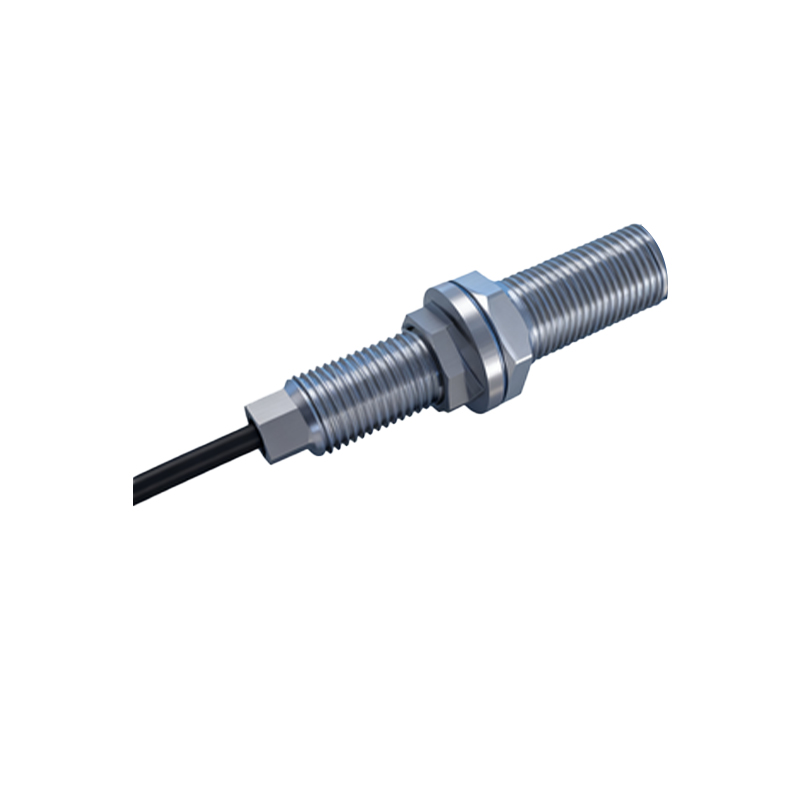
Electrical characteristics cannot be overlooked. The supply voltage (commonly 10-30V DC), output type (transistor PNP or NPN), and current rating must match the control system's PLC or input card. Physical installation constraints dictate the housing size and style—flush-mounted or non-flush—which affects the sensor's effective range. Flush-mounted models can be installed embedded in metal without false triggering but have a reduced range.
Leading manufacturers like Siemens, Omron, Pepperl+Fuchs, and Balluff offer extensive catalogs of circular proximity sensors. Their model numbering systems, while proprietary, generally encode the key features: diameter, technology, sensing distance, output, and connection method (cable or connector). Consulting a manufacturer's datasheet is non-negotiable for verifying all technical specifications.
Beyond basic detection, advanced circular sensor models incorporate features like IO-Link communication for digital parameter setting and diagnostic data retrieval, analog output for distance measurement, and increased noise immunity for welding environments (welding field immune models). These smart sensors facilitate predictive maintenance and easier integration into Industry 4.0 frameworks.
In conclusion, the universe of circular proximity sensor models is vast and engineered for precision. A successful selection hinges on a clear understanding of the target, environment, and electrical interface. By systematically evaluating these factors against the specifications of inductive, capacitive, or photoelectric cylindrical sensors, engineers and technicians can ensure optimal performance, longevity, and reliability in any automated system, from simple presence checking to complex positioning tasks.