Proximity sensors are fundamental components in automation and industrial systems, detecting the presence or absence of objects without physical contact. A common operational question among technicians and engineers is: what happens if you reverse the polarity—swap the positive and negative wires—of a sensor? This guide explores the consequences, underlying principles, and correct handling of sensor wiring.
Most modern proximity sensors, particularly inductive and capacitive types, are designed with built-in protection against reverse polarity. These DC sensors often incorporate diodes or other circuitry that prevent current flow if power leads are connected incorrectly. When polarity is reversed, the sensor simply will not activate. No output signal will be generated, and the indicator light (if present) will remain off. This fail-safe design prevents immediate damage in many cases, allowing for easy correction by rewiring. However, this is not a universal rule. Some older or very simple sensor models lack this protection. Applying reverse voltage to such units can cause overheating, component failure (like a damaged internal capacitor or transistor), or even immediate destruction. Always consult the specific datasheet before assuming protection exists.
The core reason polarity matters lies in the sensor's internal electronics. A standard three-wire DC sensor has connections for positive supply, negative supply (common ground), and a switched output signal. The internal solid-state switch (like an NPN or PNP transistor) is oriented to operate only with correct voltage bias. Reversing power inverts this bias, blocking the switch from functioning. In two-wire AC sensors, polarity is generally not applicable, as they operate on alternating current.
If a sensor fails to operate after installation, reversed polarity is a primary suspect. The first step is to power off the system completely. Verify the wiring against the sensor's documentation—typically, brown wire denotes positive (+) for DC sensors, blue is negative (-), and black is the output. For devices with unclear markings, use a multimeter to identify markings or check the original installation manual. After correcting the wires, restore power. The sensor should now function normally if no damage occurred during the reverse connection.
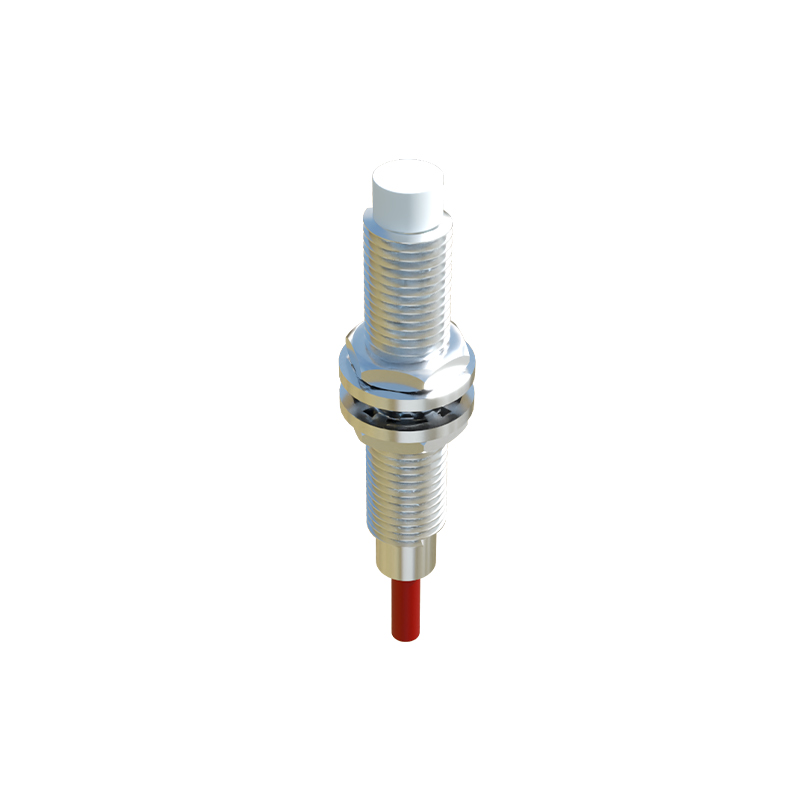
To prevent polarity issues, adopt disciplined installation practices. Always label wires during removal. Use color-coded cables consistent with your facility's standards. Before finalizing any connection, double-check the schematic on the sensor body or datasheet. For critical systems, consider using connectors that are keyed or designed to be foolproof, preventing incorrect mating.
While many protected sensors survive a brief polarity reversal, repeatedly or forcibly applying incorrect power can degrade components over time. It may void warranties and lead to unpredictable failures. Understanding your sensor's design—whether it's a sourcing (PNP) or sinking (NPN) type—also aids correct integration with controllers. Remember, correct polarity ensures not only operation but also system safety and longevity.
In summary, reversing proximity sensor polarity typically results in a non-operational state, with modern units often protected from damage. Always confirm specifications, wire meticulously, and treat sensor power connections with the same care as any sensitive electronic device. This proactive approach minimizes downtime and maintains reliability in automated processes.