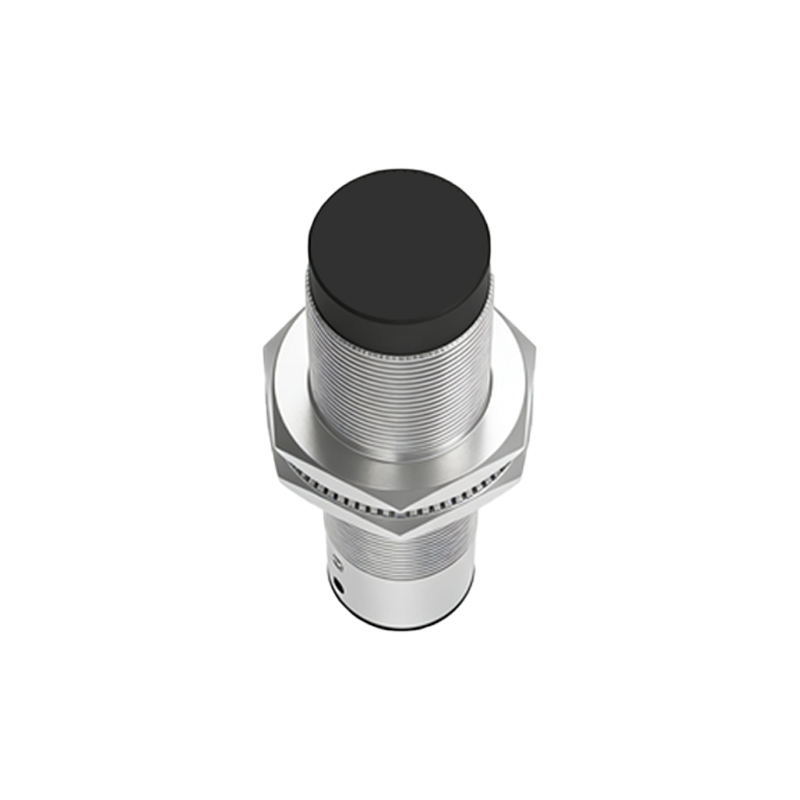
In the realm of industrial automation and machinery, metal proximity sensors are indispensable components. These devices detect the presence or absence of metallic objects without physical contact, ensuring efficiency, safety, and reliability in various applications. Understanding the different types of metal proximity sensors is crucial for selecting the right one for specific needs. This article explores the primary categories, their working principles, and typical use cases.
Inductive proximity sensors are the most common type used for detecting metallic objects. They operate based on the principle of electromagnetic induction. The sensor generates an oscillating electromagnetic field from its coil. When a metal object enters this field, eddy currents are induced on the surface of the object, causing a change in the oscillation amplitude. This change is detected by the sensor's circuitry, triggering an output signal. Inductive sensors are highly reliable and suitable for harsh environments, as they are resistant to dust, moisture, and vibrations. They are widely used in manufacturing lines for position sensing, counting, and automation control. However, their detection range is limited, typically from a few millimeters to about 60 millimeters, and they are primarily effective for ferrous metals like iron and steel.
Capacitive proximity sensors, while often associated with non-metallic materials, can also detect metals. These sensors function by measuring changes in capacitance. The sensor and the target act as two plates of a capacitor. When a metal object approaches, the capacitance increases, altering the oscillation in the sensor's circuit. Once a threshold is reached, the sensor activates its output. Capacitive sensors offer versatility, as they can detect a wide range of materials, including metals, liquids, and plastics. They are ideal for applications requiring detection through non-metallic barriers, such as monitoring liquid levels in tanks or sensing objects inside containers. Their sensing distance is generally shorter than inductive sensors, but they provide consistent performance with various metal types.
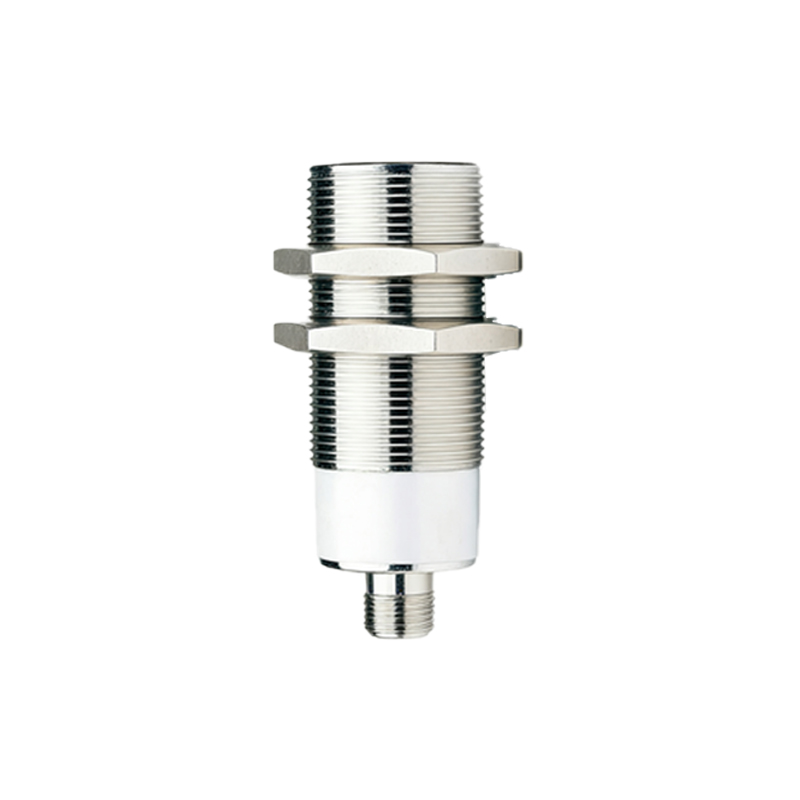
Ultrasonic proximity sensors use sound waves to detect objects, including metals. They emit high-frequency ultrasonic pulses and measure the time taken for the echo to return after hitting a target. The distance to the object is calculated based on the speed of sound. These sensors are effective for both metallic and non-metallic objects, making them suitable for diverse environments. They excel in applications where precise distance measurement is needed, such as in robotics, material handling, and level detection. Ultrasonic sensors are less affected by color, transparency, or surface texture, but factors like temperature, humidity, and air turbulence can influence their accuracy. They typically offer longer sensing ranges compared to inductive and capacitive types.
Magnetic proximity sensors, specifically reed switches or Hall effect sensors, are designed to detect magnetic fields, often from magnets attached to metal objects. Reed switches consist of two ferromagnetic reeds sealed in a glass tube. When a magnet approaches, the reeds attract each other, closing the circuit. Hall effect sensors generate a voltage when exposed to a magnetic field, indicating the presence of a metal object with an embedded magnet. These sensors are highly precise and used in applications requiring non-contact detection in low-speed or static scenarios, such as door position sensing in security systems or speed monitoring in automotive systems. They are immune to environmental factors like dirt and moisture but require a magnet for operation.
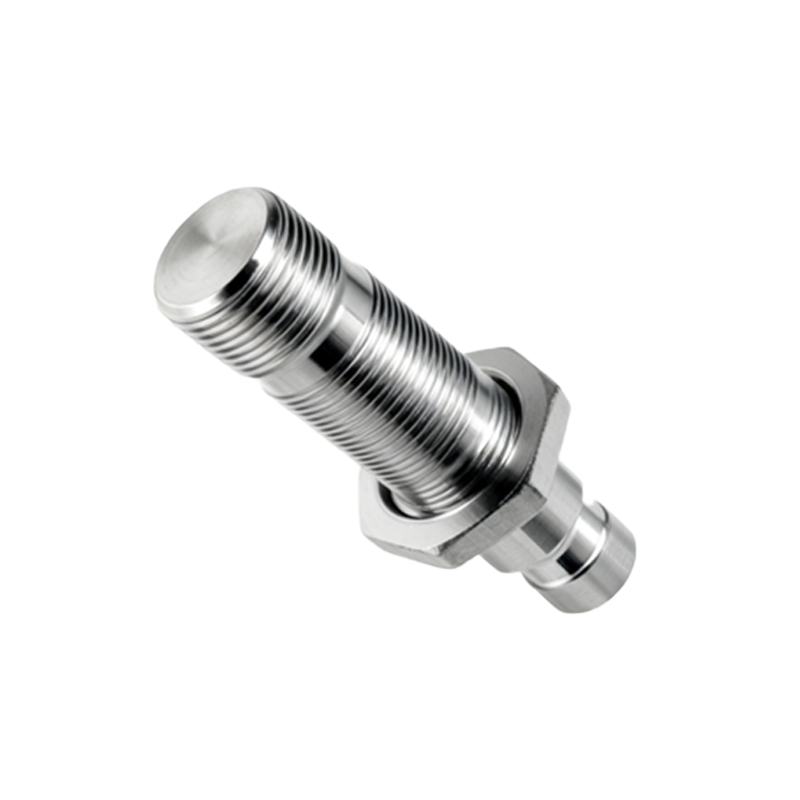
Photoelectric proximity sensors, though not exclusively for metals, can detect reflective metal surfaces. They work by emitting a light beam (usually infrared) and detecting its reflection from an object. For shiny metals, the reflection is strong, allowing reliable detection. These sensors are useful in clean environments where non-contact sensing over longer distances is needed, such as in packaging or assembly lines. However, they may struggle with dull or dark metal surfaces and can be affected by ambient light or obstructions.
Each type of metal proximity sensor has its strengths and limitations. Inductive sensors are robust and cost-effective for ferrous metals in industrial settings. Capacitive sensors offer flexibility for mixed-material detection. Ultrasonic sensors provide accurate distance measurement for varied objects. Magnetic sensors ensure precision in magnetic-based systems. Photoelectric sensors are ideal for long-range, clean applications. When choosing a sensor, factors like target material, sensing distance, environmental conditions, and cost must be considered. Proper selection enhances system performance, reduces downtime, and improves safety. As technology advances, these sensors continue to evolve, integrating smart features like IoT connectivity for predictive maintenance and real-time monitoring, driving innovation in automation and beyond.