In the realm of industrial automation, robotics, consumer electronics, and countless other fields, proximity sensors are the silent workhorses that enable machines to "see" and interact with their environment without physical contact. These devices detect the presence or absence of an object within a specified range, triggering an output signal. The choice of sensor type is critical and depends on factors like the target material, required sensing distance, environmental conditions, and cost. This guide delves into the most common types of proximity sensors, explaining their operating principles, typical applications, and key considerations.
Inductive Proximity Sensors
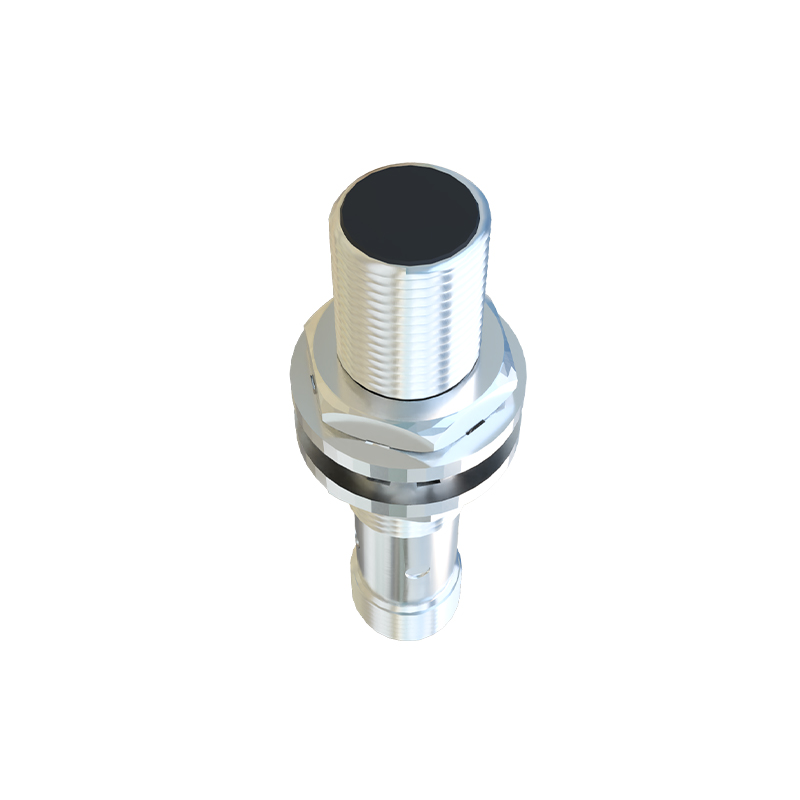
Inductive sensors are exclusively used for detecting metallic objects, primarily ferrous metals like steel and iron, though some models can sense non-ferrous metals like aluminum or copper at reduced ranges. Their operation is based on electromagnetic induction. The sensor generates an oscillating electromagnetic field from its face. When a metal object enters this field, eddy currents are induced on the object's surface, causing a change in the oscillation amplitude. This change is detected by the sensor's circuitry, which then switches the output state.
These sensors are renowned for their robustness. They are immune to dust, dirt, oil, and other non-metallic contaminants, making them ideal for harsh industrial environments like machine tools, hydraulic presses, and automotive assembly lines. They offer high switching frequencies and excellent repeatability. However, their sensing range is relatively short, typically from a few millimeters up to about 60 mm, and they are inherently blind to non-metallic materials.
Capacitive Proximity Sensors
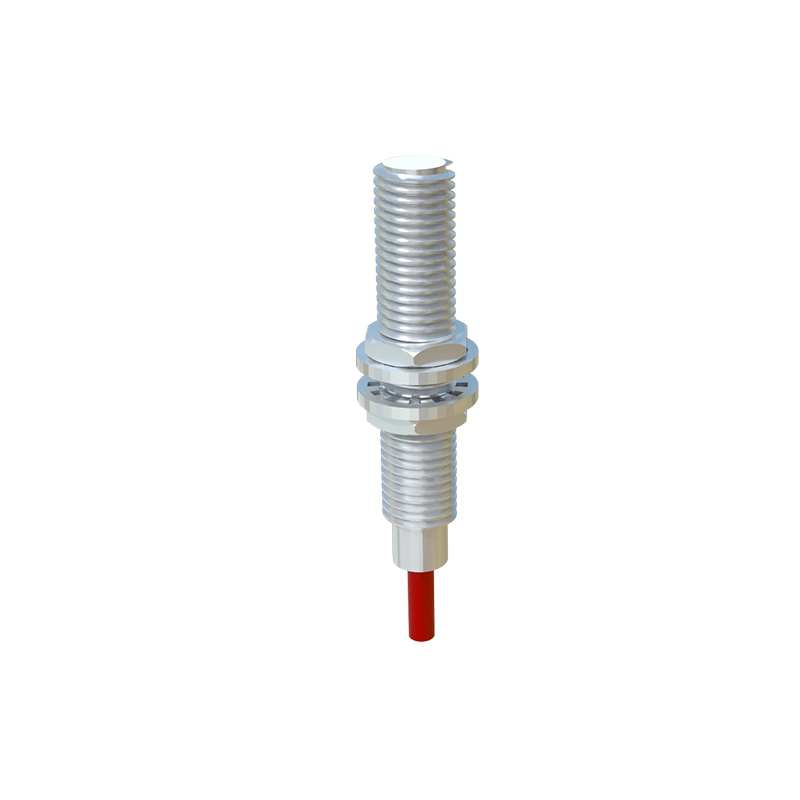
Capacitive sensors can detect a much wider variety of materials, including metals, plastics, glass, wood, liquids, and granular substances. They function by measuring changes in capacitance. The sensor's active face acts as one plate of a capacitor, with the target object acting as the other plate. An oscillator circuit creates an electrostatic field. When any material with a different dielectric constant than air enters this field, it alters the capacitance, which is detected and triggers the output.
This versatility makes capacitive sensors suitable for applications like liquid level detection in tanks, monitoring fill levels of non-metallic materials (e.g., plastic pellets, paper), and detecting the presence of glass or wood bottles on a conveyor. They can also sense through certain non-metallic walls. Their downside is that they can be more susceptible to environmental factors like humidity and temperature, and they may require careful tuning to avoid false triggers from non-target materials.
Ultrasonic Proximity Sensors
Ultrasonic sensors operate on the principle of sound wave reflection, similar to sonar. They emit high-frequency sound pulses (typically beyond human hearing) and measure the time it takes for the echo to return from a target object. This time-of-flight measurement allows them to not only detect presence but also accurately gauge distance. They are effective for detecting solid objects and liquids regardless of color, transparency, or material, though soft materials may absorb sound waves.
These sensors excel in applications requiring longer sensing ranges (from centimeters to several meters) or where the target has a complex surface. Common uses include pallet detection in warehouses, loop control in winding machines, fill level control in silos, and collision avoidance in automated guided vehicles (AGVs). Their performance can be affected by temperature variations (which change the speed of sound), air turbulence, and very absorbent or angled surfaces.
Photoelectric Sensors
Photoelectric sensors use light beams to detect objects. They consist of a light emitter (usually an LED producing visible red, infrared, or laser light) and a receiver. They are categorized by their operating mode. Through-beam sensors have separate emitter and receiver units; an object is detected when it breaks the beam, offering the longest range and highest reliability. Retro-reflective sensors use a single unit and a reflector; detection occurs when the beam is interrupted. Diffuse (proximity) sensors have the emitter and receiver in one housing and detect light reflected directly off the target object.
Photoelectric sensors offer very long sensing ranges (especially through-beam types), fast response times, and the ability to detect tiny objects. They are used for bottle counting on high-speed lines, registration mark detection in printing, and object positioning in packaging machinery. Their main limitations are susceptibility to interference from ambient light, dust, fog, and the need for a relatively clean optical path. The color and reflectivity of the target can also affect the sensing range of diffuse models.
Magnetic Proximity Sensors
Magnetic sensors, often called reed switches or Hall effect sensors, detect the presence of a permanent magnet. In a reed switch, two ferromagnetic reeds are sealed in a glass tube; when a magnetic field is applied, the reeds attract and close the electrical contact. Hall effect sensors produce a voltage output when exposed to a magnetic field. They are simple,