Proximity sensors are fundamental components in modern automation, manufacturing, and consumer electronics. Their ability to detect the presence or absence of an object without physical contact makes them indispensable. For businesses and engineers sourcing these components, understanding the dynamics behind proximity sensor factory pricing is crucial for budgeting and procurement strategies. The term "factory price" refers to the cost at which the sensor is sold by the original manufacturer, excluding additional markups from distributors, retailers, or import tariffs. This price is not a fixed number but a variable influenced by a complex interplay of factors.
The core technology and sensing principle of the sensor form the primary cost foundation. Inductive sensors, designed for detecting metallic objects, are generally among the most cost-effective, especially in standard tubular housings. Capacitive sensors, which can detect both metallic and non-metallic materials, often carry a slightly higher price due to their more complex circuitry for sensitivity adjustment. Ultrasonic sensors, using sound waves for longer-range detection, and photoelectric sensors, utilizing light beams, involve more sophisticated electronic and optical components, pushing their base manufacturing cost higher. Magnetic (reed or Hall effect) sensors are typically low-cost for simple position detection.
Beyond the type, performance specifications drastically affect the price. Sensing range is a key driver; a standard 5mm inductive sensor is commonplace, but a 40mm or long-range ultrasonic sensor requires more power and refined components. The required precision and repeatability also matter—a sensor with a tolerance of ±0.1% will be more expensive than one with ±5%. Switching frequency, or how quickly it can detect objects per second, impacts the internal electronics' speed and cost. Environmental ratings are perhaps one of the most significant factors. A sensor with an IP67 (dust-tight and waterproof) or IP69K (high-pressure, high-temperature washdown) rating requires extensive sealing, higher-quality housing materials (like stainless steel or specialized plastics), and rigorous testing, significantly increasing production costs compared to a basic IP20 rated sensor.
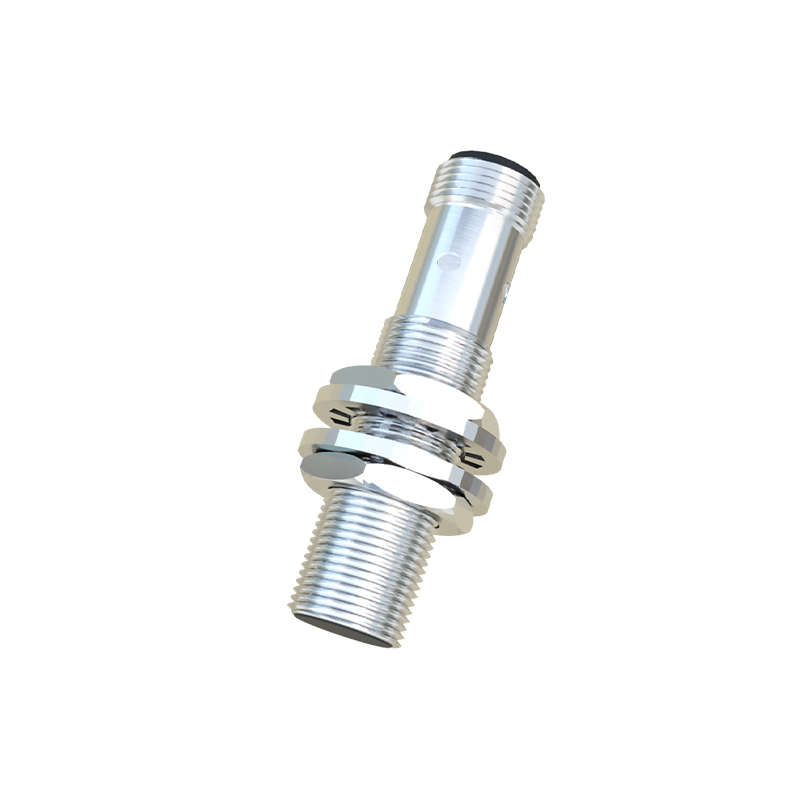
The housing material and design contribute substantially. Plastic housings are economical, while nickel-plated brass or stainless steel housings offer durability in harsh environments at a higher material and machining cost. Form factors like standard cylinders are cheaper than custom-designed rectangular or ring-shaped sensors, which require unique tooling and production setups. The electrical connection type is another element; sensors with pre-wired cables or quick-disconnect M12 connectors add cost over simple terminal block connections.
Economies of scale are a universal manufacturing principle. A factory order for 100,000 units will command a drastically lower per-unit price than an order for 100 pieces. Large volume allows manufacturers to optimize production lines, purchase raw materials in bulk at discounts, and amortize fixed costs. This is why high-volume consumer electronics can integrate sensors at a minimal cost point, while a specialized sensor for heavy machinery ordered in small batches will have a much higher factory price.
The competitive landscape and brand value influence pricing strategy. Established, globally recognized brands with a reputation for extreme reliability, extensive R&D, and comprehensive quality control (e.g., Sick, Omron, Pepperl+Fuchs, ifm) often price their sensors at a premium. Their factory price reflects not just the component cost but also the value of guaranteed performance, longevity, and technical support. Conversely, manufacturers focusing on the economy segment or generic models offer lower factory prices, competing primarily on cost for less demanding applications.
Intellectual Property and certification costs can be hidden factors. Sensors incorporating patented technology or those certified for use in specific safety-critical (SIL/PL) or explosion-proof (ATEX, IECEx) applications undergo expensive testing and certification processes. These costs are necessarily factored into the factory price.
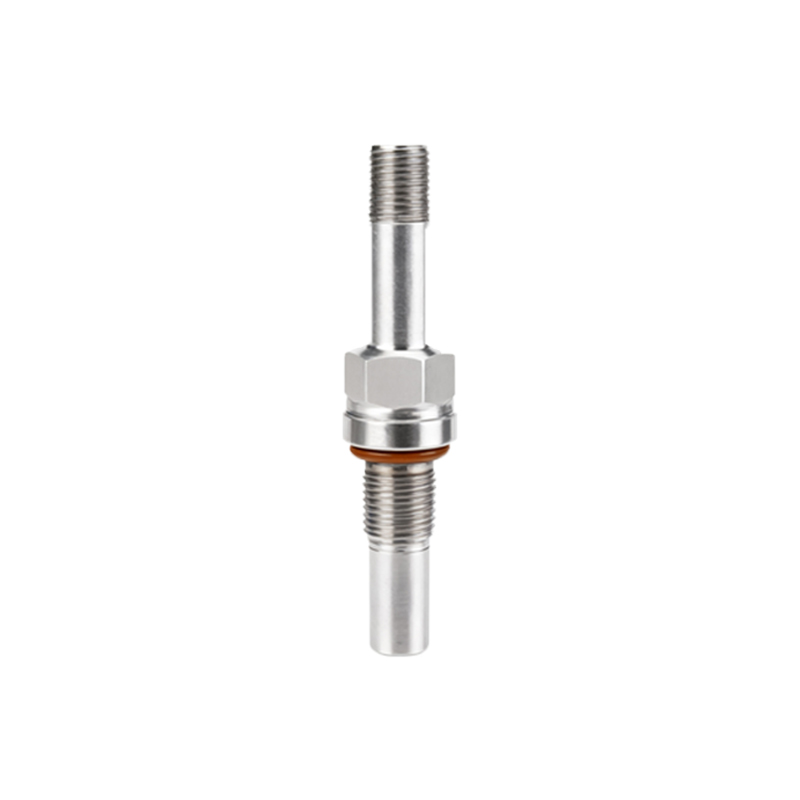
Therefore, when seeking a "factory price," it is essential to provide detailed specifications: sensor type, range, housing material, electrical output (PNP/NPN, analog), connection, protection rating, and required quantity. A generic request will only yield a generic price range. Engaging directly with manufacturers or their authorized sales offices for large projects is the best way to obtain accurate pricing. For smaller quantities, distributors aggregate demand but add a margin for their services, inventory, and logistics.
In conclusion, the factory price of a proximity sensor is a direct reflection of its capabilities, durability, and production volume. By thoroughly understanding the application requirements—environment, target object, precision needs, and lifecycle—buyers can specify the optimal sensor, avoiding over-engineering with an overly expensive model or under-specifying with a cheaper unit that may fail prematurely. Smart sourcing involves balancing initial cost with total cost of ownership, where a slightly higher factory price for a robust, reliable sensor often proves more economical in the long run through reduced downtime and maintenance.
SEO描述