Deep water proximity sensors represent a critical advancement in marine technology, enabling precise detection and measurement in challenging underwater environments. These specialized devices operate effectively under high-pressure conditions, providing reliable data for various industrial and scientific applications. Unlike standard sensors, deep water variants are engineered with robust materials and密封 designs to withstand extreme depths while maintaining accuracy.
The operational principle of these sensors often involves acoustic, magnetic, or optical technologies. Acoustic sensors, for instance, emit sound waves that reflect off objects, calculating distance based on the time delay of the echo. Magnetic sensors detect changes in magnetic fields caused by metallic objects, while optical sensors use light beams for proximity detection in clearer waters. Each technology offers distinct advantages depending on factors like water turbidity, target material, and required detection range.
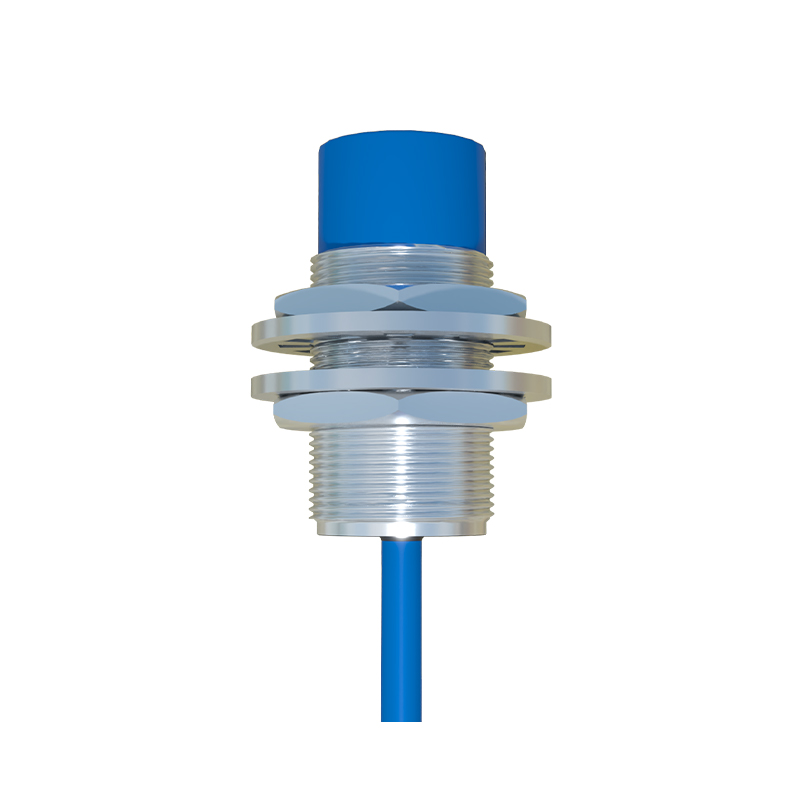
Industrial applications of deep water proximity sensors are extensive. Offshore oil and gas operations utilize them for equipment positioning, pipeline inspection, and subsea infrastructure monitoring. Renewable energy sectors, particularly offshore wind farms, employ these sensors for turbine maintenance and cable laying operations. Marine research institutions deploy sensor-equipped autonomous underwater vehicles (AUVs) for oceanographic studies, habitat mapping, and archaeological explorations.
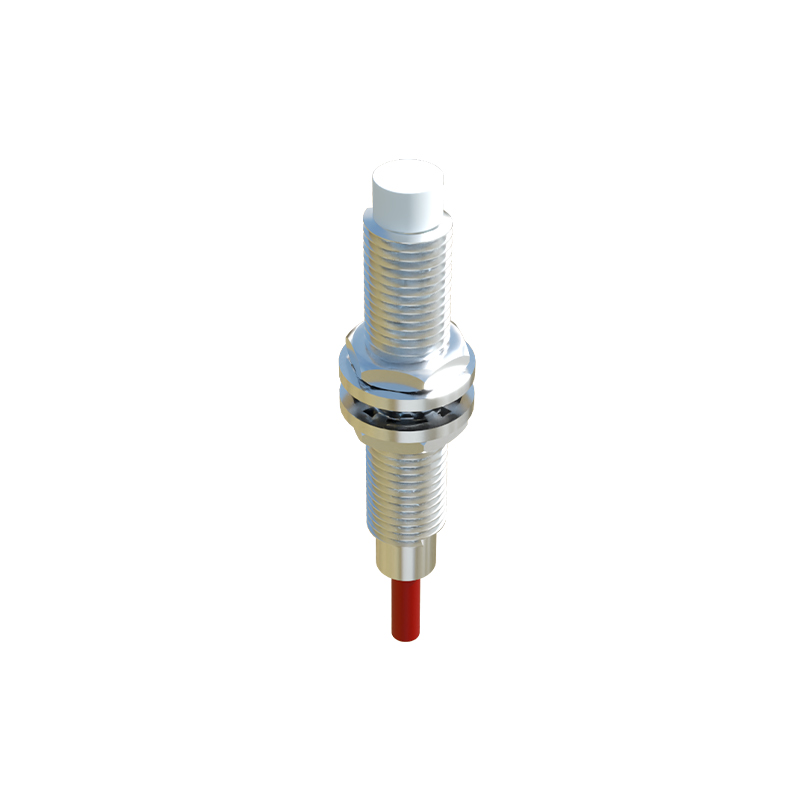
Manufacturing these sensors presents unique engineering challenges. Housing materials must resist corrosion from saltwater while enduring pressures exceeding 1000 atmospheres at maximum depths. Electronics require careful pressure compensation and thermal management systems. Calibration processes must account for how water density, temperature, and salinity affect signal propagation. Recent innovations include self-cleaning mechanisms to prevent marine growth accumulation and adaptive algorithms that compensate for environmental variables in real-time.
Installation and maintenance considerations differ significantly from terrestrial applications. Underwater sensors often incorporate redundant systems and fail-safe mechanisms since physical retrieval for repairs can be prohibitively expensive. Many modern systems feature modular designs allowing component replacement via remotely operated vehicles (ROVs). Power management is crucial, with many deep-sea sensors utilizing lithium battery packs designed for long-term deployment or harvesting energy from underwater currents.
Data transmission from deep water sensors presents another technological hurdle. Acoustic modems remain the standard for real-time communication, though bandwidth limitations restrict data volume. Alternative approaches include storing data locally for periodic retrieval or using tethered systems with fiber-optic cables for high-bandwidth applications. Emerging technologies like underwater laser communication show promise for future high-speed data transfer.
The market for deep water proximity sensors continues expanding as ocean exploration and resource extraction activities increase. Environmental monitoring applications have grown particularly important, with sensors deployed to track pollution levels, monitor marine protected areas, and study climate change impacts on ocean ecosystems. Advancements in artificial intelligence have enhanced sensor capabilities, enabling pattern recognition for marine life monitoring and predictive maintenance for underwater equipment.
Standardization efforts across the industry aim to improve interoperability between different sensor systems and platforms. Organizations like the International Organization for Standardization (ISO) and the American Petroleum Institute (API) have developed guidelines for underwater sensor performance testing and data format standardization. These efforts facilitate data sharing between research institutions and improve the reliability of sensor networks deployed across multiple locations.
Future developments in deep water proximity sensor technology focus on miniaturization, increased autonomy, and enhanced durability. Researchers are exploring biomimetic designs inspired by marine organisms, new materials like graphene-based composites for sensor housings, and quantum sensing techniques for unprecedented detection sensitivity. As these technologies mature, deep water proximity sensors will play an increasingly vital role in humanity's sustainable interaction with the ocean environment.
Regular validation through field testing remains essential for ensuring sensor reliability. Comparative studies between different sensor types in controlled underwater environments help establish best practices for various applications. User training programs have become more comprehensive, covering not only sensor operation but also data interpretation and integration with broader monitoring systems. This holistic approach maximizes the value derived from deep water proximity sensing investments.