Proximity sensors are critical components in modern automation, robotics, and safety systems, detecting the presence or absence of objects without physical contact. Ensuring their reliability and accuracy requires specialized testing instruments. This guide explores the essential tools and methodologies for evaluating proximity sensor performance.
The core function of a proximity sensor is to detect an object within a specific range and output a corresponding signal. Testing instruments must verify key parameters: sensing distance, repeatability, response time, and environmental resilience. A primary tool is the target simulator, which provides precise, repeatable movement to test sensing distance hysteresis. These simulators often use motorized linear stages with micrometer accuracy, allowing engineers to determine the exact point of sensor activation and release.
For inductive and capacitive sensors, signal analyzers are indispensable. They measure the sensor's output current or voltage under varying conditions, ensuring it meets specified thresholds. Oscilloscopes can capture response time—the delay between target detection and signal output—which is crucial for high-speed applications like conveyor systems or assembly lines.
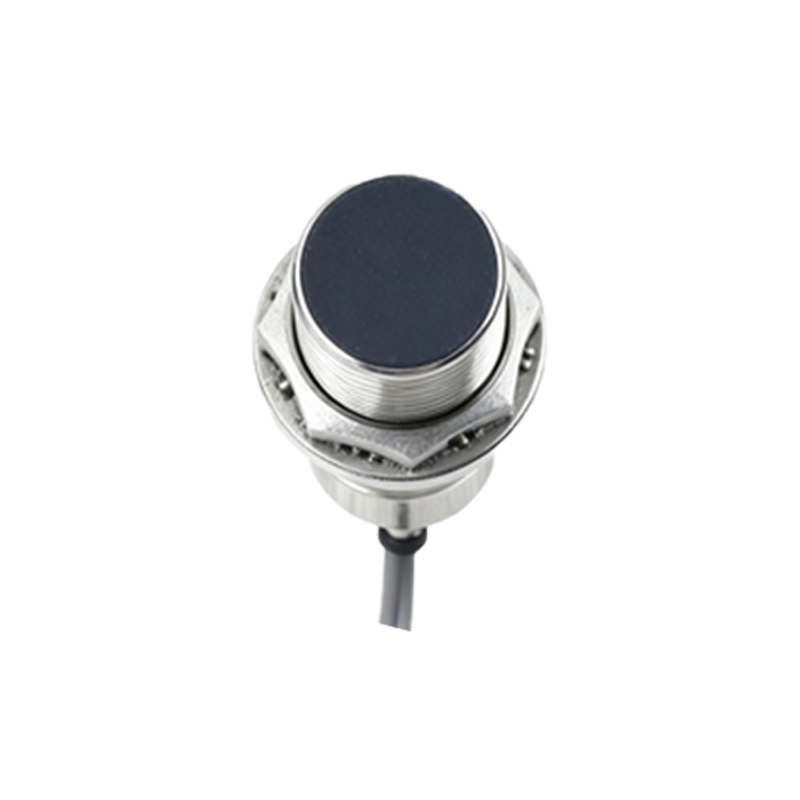
Environmental testing chambers are another vital category. Proximity sensors may operate in extreme temperatures, humidity, or vibration. Instruments such as thermal chambers and vibration tables simulate harsh conditions to validate sensor durability. For example, an inductive sensor used in automotive manufacturing must function reliably from -40°C to 85°C, requiring thorough thermal cycle testing.
Calibration equipment ensures long-term accuracy. Over time, sensor performance can drift due to component aging or contamination. Calibration tools, like precision distance gauges and reference targets, allow technicians to adjust sensors to factory standards. Regular calibration minimizes false triggers and missed detections, reducing downtime in industrial settings.
Field testers offer portability for on-site diagnostics. These handheld devices simulate targets and monitor sensor outputs in real-time, enabling quick troubleshooting without removing sensors from machinery. Advanced models include data logging capabilities, recording performance trends for predictive maintenance.
When selecting testing instruments, consider sensor type—inductive, capacitive, ultrasonic, or optical. Each technology has unique testing needs. Inductive sensors, detecting metals, require ferrous and non-ferrous test targets. Capacitive sensors, sensitive to materials like plastic or liquid, need dielectric constant references. Ultrasonic sensors demand acoustic reflectivity tests, while optical sensors rely on light intensity measurements.
Best practices for testing include:
1. Standardized Procedures: Follow ISO 13856 or IEC 60947-5-2 standards for consistency.
2. Real-World Simulation: Test with materials identical to those in the application.
3. Statistical Analysis: Use instruments with software to analyze repeatability and deviation.
4. Safety Compliance: Verify sensors meet safety integrity levels (SIL) for critical systems.
Emerging trends integrate IoT-enabled testers that connect to cloud platforms, enabling remote monitoring and automated reporting. Artificial intelligence algorithms can predict sensor failures by analyzing test data patterns, enhancing proactive maintenance.
In summary, proximity sensor testing instruments range from basic handheld testers to sophisticated automated systems. Investing in appropriate tools ensures sensor reliability, reduces operational risks, and optimizes system performance. As industries embrace Industry 4.0, robust testing becomes even more pivotal for seamless automation.