In industrial automation and machinery, metal proximity sensors play a critical role in detection, positioning, and control tasks. Their accuracy directly impacts system reliability, product quality, and operational efficiency. This article delves into the factors influencing the accuracy of these sensors, common metrics for evaluation, and practical considerations for optimal performance.
Accuracy in the context of metal proximity sensors refers to the sensor's ability to consistently and correctly detect a target at its specified sensing distance under defined conditions. It is not a single specification but a combination of several interrelated performance characteristics.
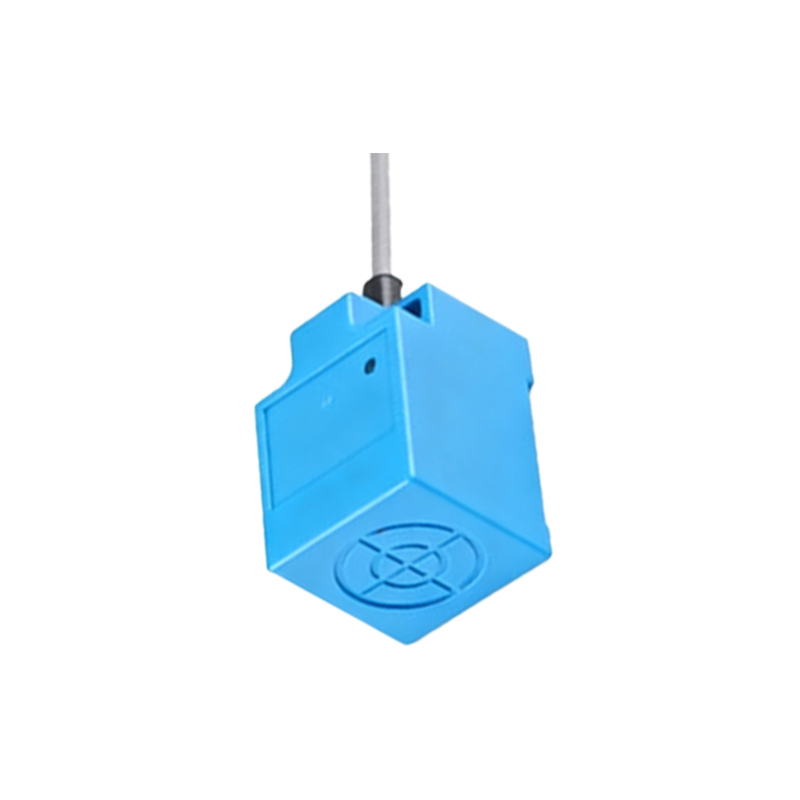
Key factors affecting accuracy include:
1. Sensing Distance: The nominal sensing distance (Sn) is specified for a standard target. Accuracy is often discussed as a percentage variation from this nominal value. Factors like target material, size, shape, and orientation can cause the actual operating point to differ. For instance, a sensor calibrated for mild steel will have a reduced sensing distance for aluminum or stainless steel.
2. Hysteresis: This is the difference between the switch-on point (as the target approaches) and the switch-off point (as the target moves away). Hysteresis is a deliberate design feature that prevents output oscillation when a target is at the exact sensing boundary. While necessary for stability, its value must be known and consistent.
3. Repeatability: Perhaps the most critical accuracy metric, repeatability is the sensor's ability to consistently detect the same target at the same position under identical environmental conditions. High repeatability indicates precision and reliability over time.
4. Temperature Drift: The operating ambient temperature significantly influences electronic components and oscillation circuits within inductive proximity sensors. Temperature drift describes the change in the sensing distance as temperature varies from a reference point (e.g., 20°C). High-quality sensors specify a minimal temperature coefficient.
5. Supply Voltage Influence: Variations in the sensor's supply voltage can affect its output switching point. A robust design minimizes this influence, ensuring stable operation despite minor power fluctuations.
6. Target Characteristics: As mentioned, the target's material composition, size, and shape are paramount. A standard target is typically a square of mild steel (Fe360) with a side length equal to the sensor's diameter or the sensing distance (whichever is larger). Using a smaller, thinner, or different metal target will reduce the effective sensing distance and affect accuracy.
7. Electrical Noise and Interference: In industrial environments, electromagnetic interference from motors, welders, or power lines can cause false triggering or shifts in detection points. Sensors with proper shielding, DC models with surge protection, and those conforming to EMC standards offer better accuracy in noisy settings.
8. Mounting and Environment: Flush-mountable sensors are immune to adjacent metallic objects, while non-flush sensors require specific clearance zones. The presence of other metals in the sensing field, cutting fluids, dust, or mechanical vibrations can all degrade performance if not accounted for.
Common accuracy metrics found in datasheets include:
Repeatability: Often expressed as a percentage of the actual sensing distance or as a fixed distance (e.g., ≤ 1% of Sr or ±0.02mm).
Temperature Drift: Typically given as a percentage of the sensing distance over a 10°C or 100°C range (e.g., ≤ ±1% @ 10°C...30°C).
Hysteresis: Usually specified as a percentage of the sensing distance (e.g., 3% to 10% of Sr).
To ensure high accuracy in application:
Select the Correct Sensor Type: Inductive sensors are standard for ferrous metals. For non-ferrous metals, consider sensors specifically designed or factor in reduction factors.
Consult Reduction Factors (K): Apply the manufacturer's material-specific reduction factor (e.g., K=0.4 for aluminum) to calculate the effective sensing distance.
Prioritize Repeatability: For precise positioning tasks, a sensor with excellent repeatability is more valuable than one with a very long but inconsistent sensing range.
Consider Environmental Ratings: Choose sensors with appropriate IP (Ingress Protection) and temperature ratings for the operating environment.
Follow Mounting Guidelines: Adhere strictly to the manufacturer's instructions regarding flush mounting, non-flush mounting, and required lateral clearance from other metals.
Implement Proper Electrical Installation: Use shielded cables, separate signal lines from power cables, and ensure a stable, clean power supply as per guidelines.
In conclusion, the accuracy of a metal proximity sensor is a multifaceted attribute. Understanding the interplay between sensing distance specifications, hysteresis, repeatability, and environmental influences is essential for proper selection and integration. By carefully evaluating datasheet parameters against application requirements—focusing on repeatability for precision and stability for reliability—engineers can