The proximity sensor industry stands as a critical enabler of modern automation and smart technology. These devices, which detect the presence or absence of objects within a certain range without physical contact, have evolved from simple industrial tools to sophisticated components integral to countless applications. The market is experiencing robust growth, driven by relentless demand for automation, the proliferation of the Internet of Things (IoT), and the continuous miniaturization of electronic components.
A key driver of this expansion is the automotive sector. Modern vehicles are equipped with an array of proximity sensors for functions like parking assistance, blind-spot detection, collision avoidance, and automated door systems. The push towards autonomous driving is further accelerating the adoption of high-precision, reliable sensor technologies. Capacitive and inductive sensors are common here, but LiDAR and ultrasonic sensors are gaining prominence for their ability to create detailed environmental maps.
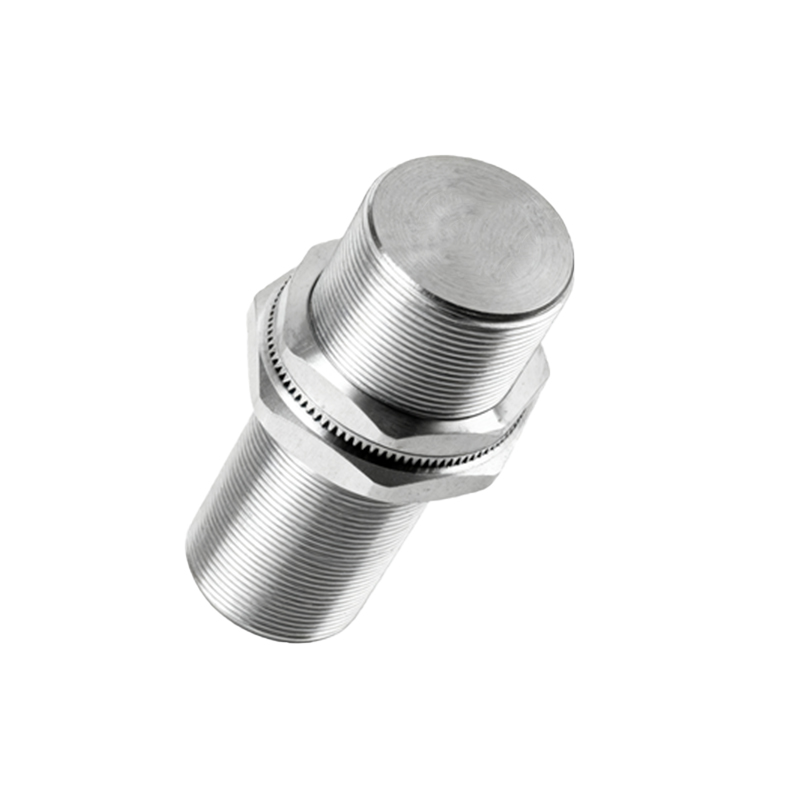
Beyond automotive, the industrial manufacturing landscape is fundamentally reliant on these sensors. They ensure precision in assembly lines, enable robotic guidance, and provide critical safety interlocks on machinery. In harsh factory environments, rugged inductive and ultrasonic sensors are preferred for their durability and resistance to contaminants like dust, oil, and coolant. The rise of Industry 4.0, with its emphasis on data-driven smart factories, has elevated the role of sensors from mere switches to data points that feed into predictive maintenance and process optimization systems.
Consumer electronics represent another massive growth area. The smartphone in your pocket likely uses an infrared or capacitive proximity sensor to turn off the display during a call, saving battery and preventing accidental screen touches. This technology has expanded to tablets, laptops, smart home devices, and interactive kiosks. Furthermore, the development of wearable technology, such as smartwatches and fitness trackers, incorporates miniature sensors for gesture control and user presence detection.

Emerging trends are shaping the industry's future. The integration of Artificial Intelligence and machine learning with sensor data is a significant frontier. AI algorithms can interpret complex sensor readings to distinguish between object types, predict movements, or identify anomalies, moving beyond simple detection to intelligent perception. Another trend is the development of multi-technology sensor fusion, where data from proximity sensors, cameras, and inertial measurement units are combined to create a more accurate and reliable understanding of the surroundings, crucial for advanced robotics and autonomous systems.
Sustainability and energy efficiency are also becoming important design criteria. Manufacturers are developing sensors with lower power consumption, essential for battery-operated IoT devices. Additionally, there is a focus on using environmentally friendly materials and improving the longevity and recyclability of sensor components.
However, the industry faces challenges. Intense competition keeps pressure on pricing and innovation cycles. Ensuring interoperability and standardization across different sensor types and communication protocols within complex IoT ecosystems remains a technical hurdle. Cybersecurity for connected sensors is also a growing concern, as they can become potential entry points for malicious attacks on larger networks.
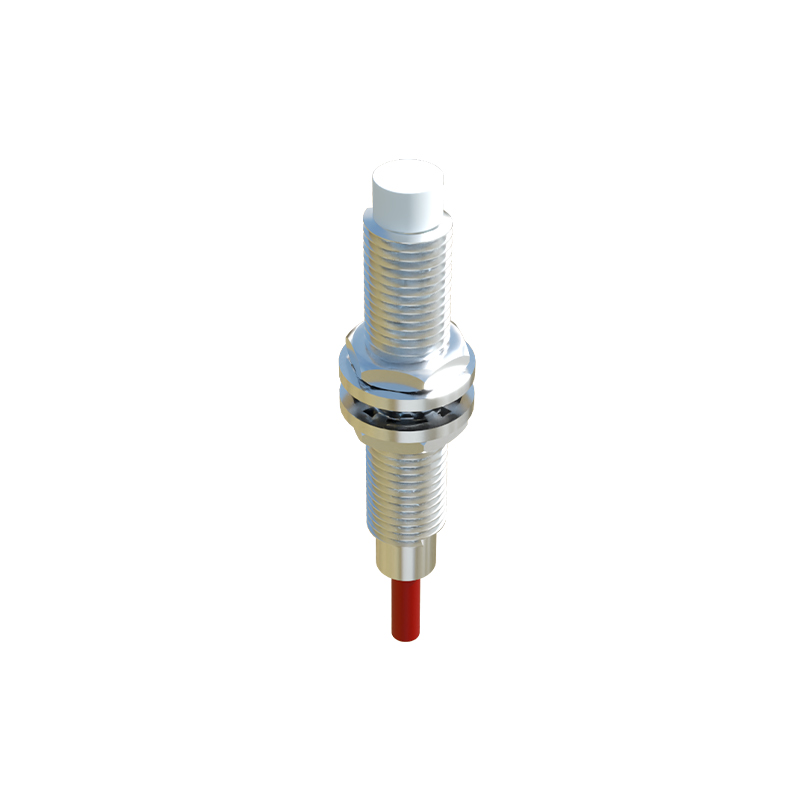
Looking ahead, the proximity sensor industry is poised for continued innovation and diversification. As technologies like 5G reduce latency and increase connectivity bandwidth, real-time sensor data processing will become even more powerful. Applications in healthcare for non-contact monitoring, in retail for customer analytics, and in agriculture for automated equipment guidance are just beginning to be explored. The core function—detecting presence without touch—will remain, but the intelligence, connectivity, and applications of these devices will undoubtedly expand, solidifying their role as the silent, sensing backbone of an increasingly automated and interactive world.