In the world of industrial automation and control systems, proximity switches are indispensable components. These non-contact sensors detect the presence or absence of an object within their sensing range without any physical contact. This fundamental characteristic eliminates mechanical wear, ensures high reliability, and allows for incredibly fast response times, making them superior to traditional mechanical limit switches in countless applications. The core principle behind their operation involves generating an electromagnetic field or a beam of radiation. When a target object enters this field, it causes a change in the field's state or the signal's return path, which is then converted into an electrical output signal by the switch's internal circuitry.
The selection of the right proximity switch type is critical for optimal system performance. Engineers must consider factors such as the target material, required sensing distance, environmental conditions (like temperature, humidity, or presence of contaminants), and the necessary output type. Primarily, proximity switches are categorized based on their underlying detection technology. The most common and widely used types include inductive, capacitive, ultrasonic, and photoelectric proximity switches.
Inductive proximity switches are the workhorses of metal detection. They generate an oscillating electromagnetic field from a coil at the sensing face. When a conductive metal target enters this field, eddy currents are induced on the surface of the metal. This action dampens the oscillation amplitude, which is detected by the sensor's circuit, triggering a solid-state output. These switches are ideal for detecting ferrous metals like steel and iron, and some types can also detect non-ferrous metals like aluminum, copper, and brass, though typically at a reduced sensing range. They are renowned for their robustness, resistance to dirt and dust, and high switching frequency, making them perfect for counting metal parts, determining position in machinery, or as end stops in automated systems.
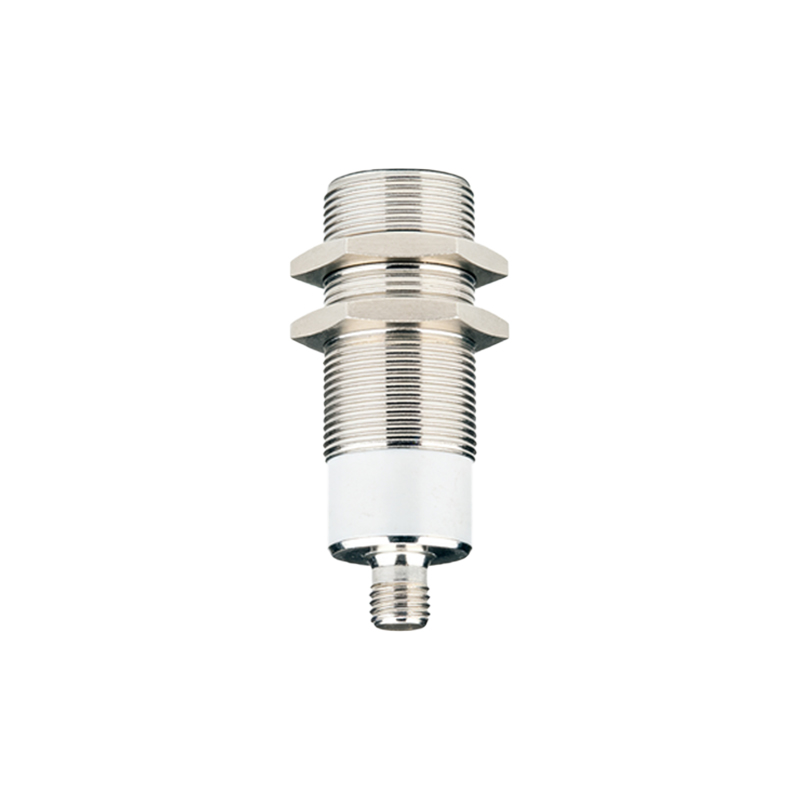
Capacitive proximity switches, on the other hand, can detect both metallic and non-metallic materials. They operate by generating an electrostatic field. Any object that enters this field alters the capacitance between the sensor's electrode and ground. This change in capacitance is measured, and when it exceeds a preset threshold, the switch activates. This makes capacitive sensors versatile for detecting liquids, plastics, glass, wood, and granular materials. Common applications include liquid level detection in tanks, monitoring the presence of paper or plastic bottles on a conveyor, or controlling the fill level of powders and grains. They are sensitive to environmental factors like moisture and humidity, which can influence the dielectric constant of the target and the surrounding air.
Photoelectric proximity switches use light to detect objects. They consist of a light emitter (usually an LED producing visible red, infrared, or laser light) and a receiver. They are further divided into three main sub-types based on their operating mode. The through-beam type has separate emitter and receiver units placed opposite each other. Detection occurs when the target object interrupts the light beam. This type offers the longest sensing ranges and high reliability. The retro-reflective type uses a single housing containing both emitter and receiver, and a reflector bounces the light beam back. The object is detected when it breaks this reflected beam. The diffuse or proximity mode also uses a single unit, but it detects the target by the light reflected directly off the object's surface. Photoelectric sensors are extremely flexible, capable of detecting almost any material, and are used for long-range detection, small part sensing, color differentiation, and transparent object detection.
Ultrasonic proximity switches operate on a principle similar to sonar. They emit high-frequency sound waves (inaudible to humans) and evaluate the echo received after reflection from a target object. By measuring the time interval between sending the signal and receiving the echo, the sensor can calculate the distance to the object. This technology is excellent for detecting objects regardless of their color, transparency, or material, and it is particularly effective in challenging environments with dust, smoke, or fog where photoelectric sensors might fail. Typical applications include distance measurement, level sensing of bulk solids or liquids, and detecting irregularly shaped objects on conveyors.
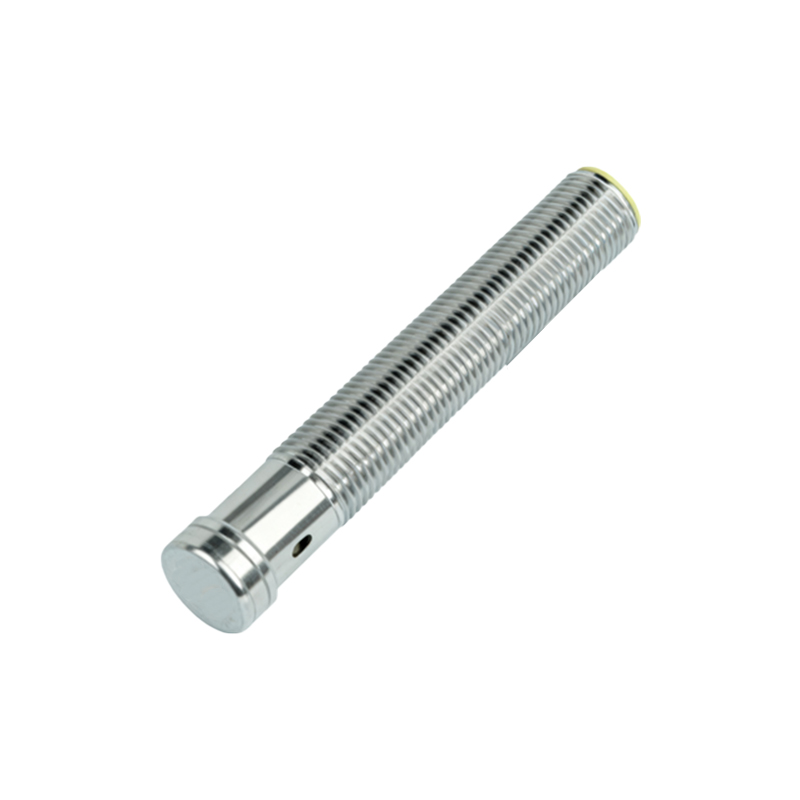
Beyond these primary types, specialized variants exist, such as magnetic proximity switches (reed switches) that activate in the presence of a magnetic field, often used for door and cylinder position sensing. The output of most modern proximity switches is a solid-state transistor (PNP or NPN) providing a clean, bounce-free signal compatible with programmable logic controllers (PLCs). Understanding the distinct advantages and limitations of each proximity switch type—inductive for metals, capacitive for diverse materials, photoelectric for precision and range, and ultrasonic for harsh conditions—empowers designers and maintenance personnel to build more efficient, reliable, and intelligent automated systems across manufacturing, packaging, automotive, and material handling industries.