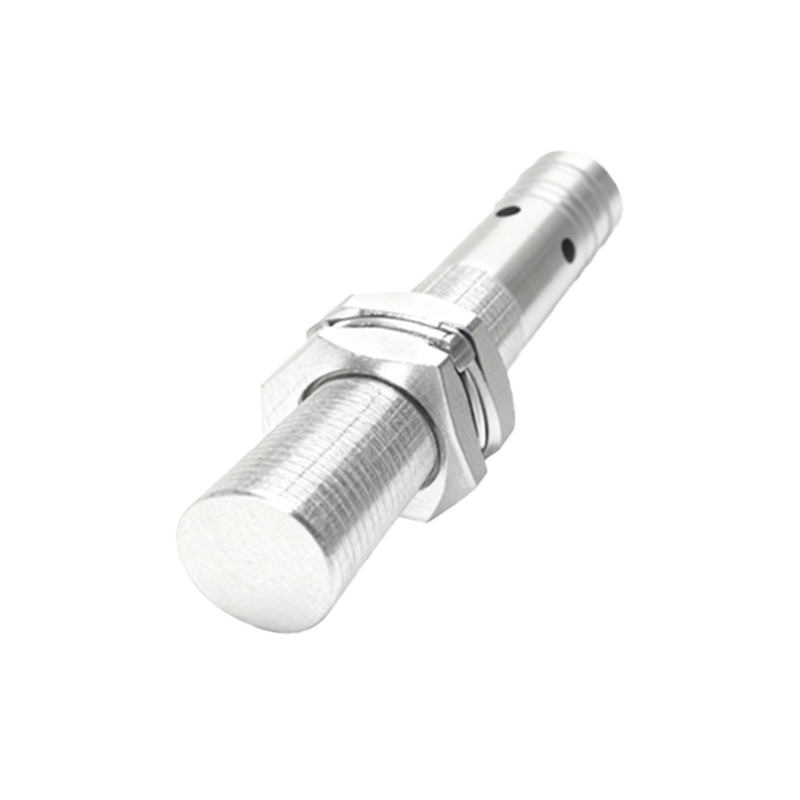
In the world of automation, safety, and smart devices, a small component often works silently to detect presence or absence without any physical contact. This component is the proximity sensor. But what exactly does it belong to in the broader technological landscape? Fundamentally, a proximity sensor is a type of sensor. More specifically, it falls under the category of non-contact sensing devices within the field of industrial automation and electronics. Its primary function is to detect the presence or absence of nearby objects, or to measure the distance to an object, all without making physical contact.
To understand its classification, it's helpful to look at the sensor family tree. Sensors are generally divided based on their detection method. Proximity sensors are distinguished by their non-contact operation. This places them alongside other non-contact sensors like vision systems or ultrasonic rangefinders, but they are distinct in their typical range and application. They are a subset of position sensors, as they determine if an object is within a certain positional range. Unlike limit switches that require physical touch, proximity sensors perform this task electronically or electromagnetically.
The working principle depends on the specific technology employed. The most common types include Inductive, Capacitive, Ultrasonic, and Optical (like infrared). An inductive proximity sensor, for instance, generates an electromagnetic field. When a metallic object enters this field, it causes a change in the oscillation amplitude, which the sensor detects and converts into an electrical output signal. This makes it perfect for metal detection in machinery. A capacitive sensor, on the other hand, can detect both metallic and non-metallic materials like plastic, wood, or liquids by sensing changes in capacitance. Ultrasonic sensors use sound waves, while optical sensors use light beams.
This classification dictates their vast realm of applications. In industrial manufacturing, they are indispensable. On assembly lines, inductive sensors count metal parts, verify positions, or control robotic arms. Capacitive sensors monitor fluid levels in tanks or detect paper or glass bottles. In the consumer electronics we use daily, a proximity sensor is what turns off your smartphone screen during a call when you hold it to your ear, saving power and preventing accidental touches. They are crucial in automotive systems for parking assistance, in aviation for landing gear safety, and in security systems for automatic door control or intrusion detection.
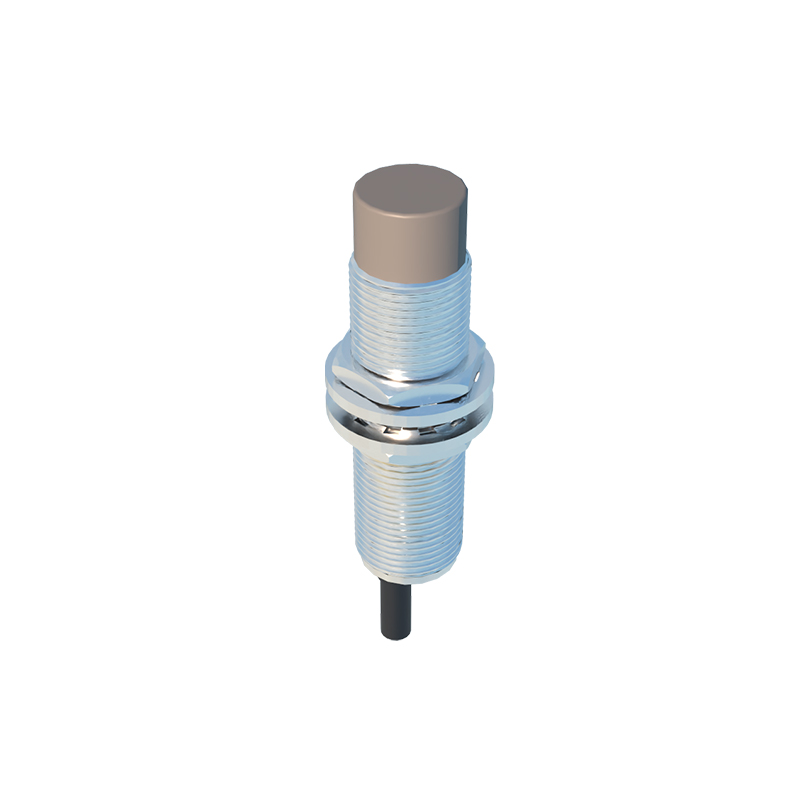
The advantages of using proximity sensors are clear. Their non-contact nature means no mechanical wear and tear, leading to exceptionally long service life and high reliability. They can operate at high speeds, detecting objects rapidly on fast-moving production lines. Most are solid-state devices with no moving parts, making them resistant to vibration and harsh environmental conditions like dust, moisture, or oils, provided they have appropriate enclosures.
When selecting a proximity sensor, key specifications must be considered. The sensing range, or the maximum distance at which it can reliably detect an object, is primary. The output type is also critical—common outputs include NPN/PNP transistors (sinking or sourcing), analog voltage/current, or relay contacts. The housing material (often nickel-plated brass or stainless steel) and environmental protection rating (like IP67 for dust and water resistance) determine its suitability for specific industrial settings.
In summary, a proximity sensor belongs to the essential toolkit of modern sensing technology. It is a non-contact, electronic device within the broader families of position and presence sensors. Its value lies in its ability to provide reliable, wear-free detection across countless industries, from heavy factory floors to the sleek smartphone in your pocket. By converting the physical presence of an object into a clean electrical signal, it forms a fundamental bridge between the physical and digital worlds, enabling automation, enhancing safety, and creating smarter, more responsive devices and systems. As technology evolves, these sensors continue to become smaller, more accurate, and more integrated, solidifying their role as a cornerstone of automated and intelligent system design.