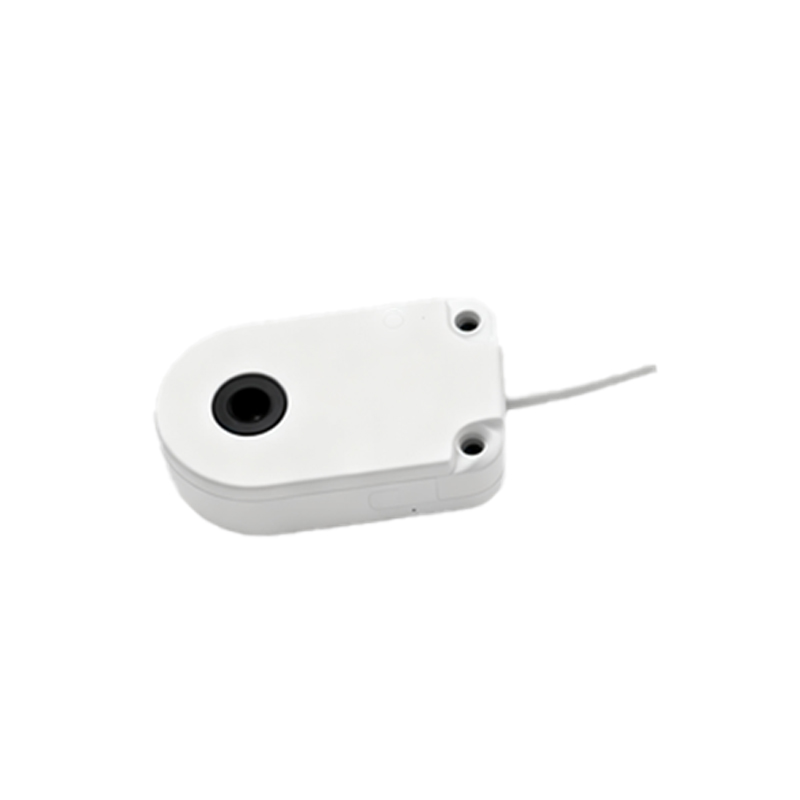
In today's interconnected world, sensors have become the silent workhorses of our digital experiences. Among these, proximity and ambient light sensors play pivotal roles in enhancing device functionality, user interaction, and energy efficiency. While often mentioned together due to their common integration in smartphones, tablets, and laptops, they serve distinct purposes based on fundamentally different operational principles.
A proximity sensor is primarily designed to detect the presence of nearby objects without any physical contact. The most common type found in consumer electronics is the infrared (IR) proximity sensor. It typically consists of an IR LED emitter and an IR photodiode receiver. The sensor works by emitting an invisible beam of infrared light. When an object comes close, this light reflects back to the photodiode. The sensor's circuitry measures the intensity of the reflected light to determine the object's distance. This process happens in milliseconds. The most ubiquitous application is in smartphones: during a phone call, when you bring the device close to your ear, the proximity sensor detects your head and automatically turns off the touchscreen display. This prevents accidental touch inputs (like muting the call or pressing dial pad buttons with your cheek) and also saves battery power by disabling the screen backlight. Beyond phones, proximity sensors are used in automatic faucets, hand dryers, industrial automation for object detection, and even in cars for parking assistance systems.
In contrast, an ambient light sensor (ALS) is a photodetector that measures the intensity of the visible light in the environment surrounding the device. It does not emit light; it only receives it. These sensors contain photodiodes that are sensitive to the wavelengths of visible light (and sometimes infrared) and convert light intensity into an electrical signal. This signal is processed by the device to automatically adjust the brightness of the screen. When you walk from a dimly lit room into bright sunlight, your phone or laptop screen brightness increases, making it readable. Conversely, in a dark room, the screen dims to reduce eye strain and conserve energy. This automatic brightness adjustment, often called auto-brightness, is the hallmark function of an ambient light sensor. Modern ALS are quite sophisticated, capable of discerning between different light sources (like sunlight vs. fluorescent light) to provide more natural and comfortable adjustments.
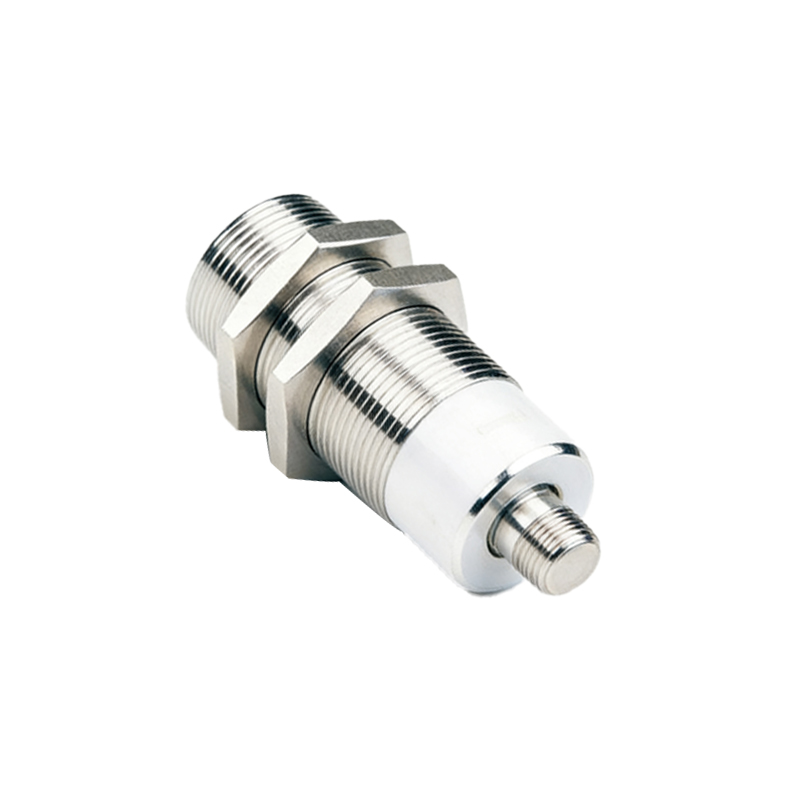
The synergy between these two sensors is a key design feature in modern smart devices. Consider a smartphone: when you pull it out of your pocket, the ambient light sensor gauges the environmental light to set the screen brightness. As you raise it to your ear for a call, the proximity sensor takes over to blank the screen. This seamless handoff happens without user intervention, creating an intuitive and efficient experience. From an engineering perspective, integrating both sensors into a single, compact module is common, saving valuable space within the slim confines of a device.
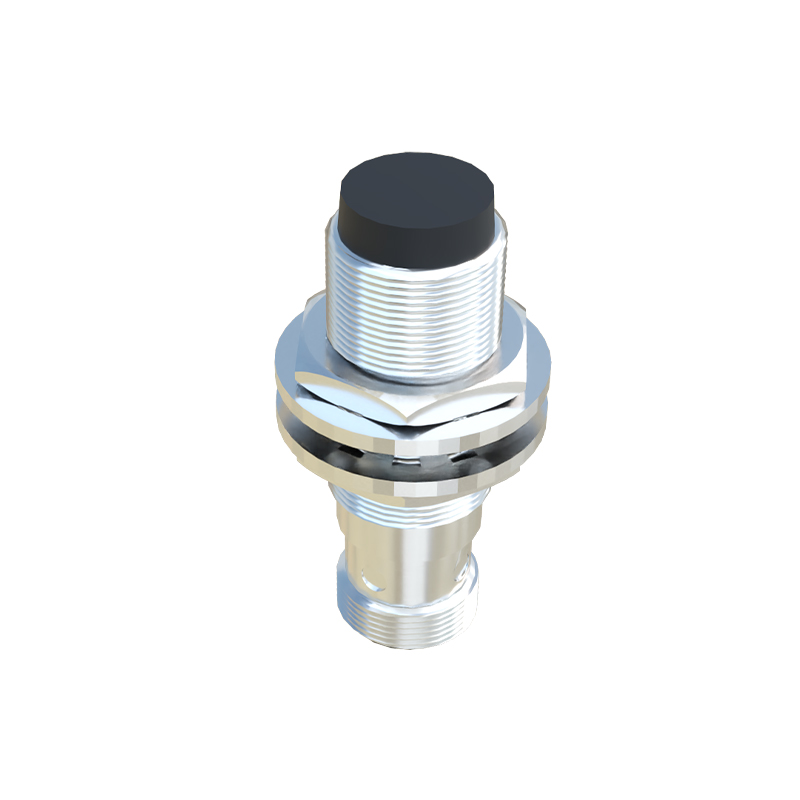
The technology behind these sensors continues to evolve. Proximity sensors are becoming more accurate and capable of detecting a wider range of materials. Some newer models use time-of-flight (ToF) principles for more precise distance measurement. Ambient light sensors are advancing towards spectral sensing, where they can analyze the color temperature of ambient light, allowing devices to not only adjust brightness but also shift the screen's color balance (similar to Night Shift or Blue Light Filter features) for optimal viewing comfort throughout the day.
Understanding the difference between proximity and ambient light sensors clarifies how our devices interact so intelligently with their environment. One actively probes its immediate vicinity using emitted light, while the other passively reads the environmental light conditions. Together, they form a critical sensory duo that makes our technology more responsive, power-efficient, and ultimately, more human-centric. Their continued development will further blur the lines between our physical actions and our devices' digital reactions.