Universal proximity sensors are essential components in modern industrial automation, offering reliable non-contact detection of objects regardless of material composition. As original equipment, these sensors ensure seamless integration with machinery, providing consistent performance and longevity. This guide explores the fundamentals, selection criteria, and benefits of using genuine universal proximity sensors in various applications.
Proximity sensors operate by emitting electromagnetic fields or beams to detect the presence or absence of objects within their sensing range. Universal models are designed to handle diverse materials, including metals, plastics, and liquids, making them versatile for industries like manufacturing, automotive, and packaging. Original equipment sensors are specifically calibrated to meet stringent quality standards, reducing the risk of malfunctions and downtime.
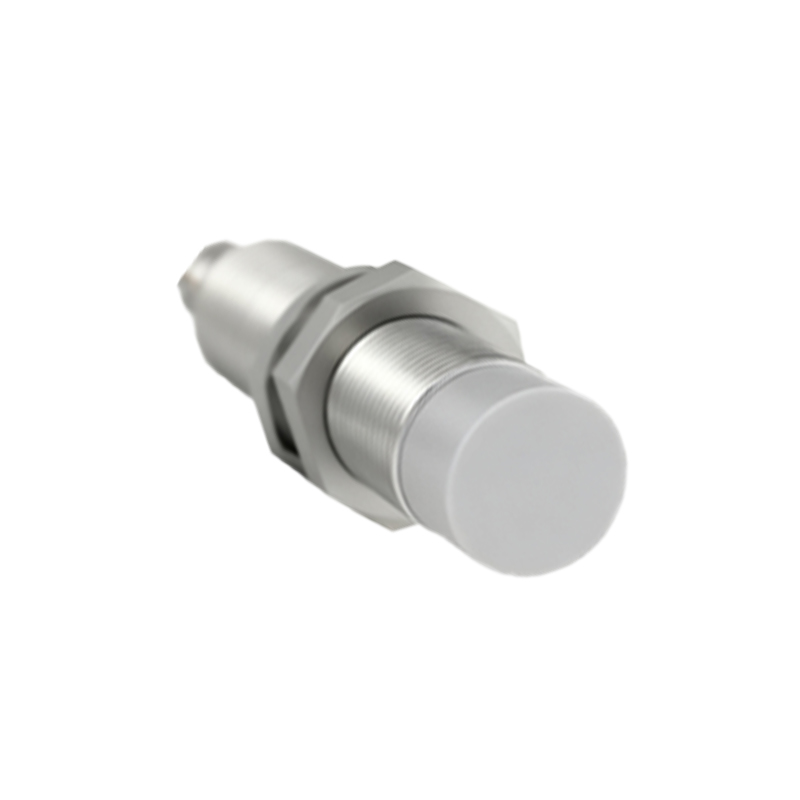
When selecting a universal proximity sensor, consider key factors such as sensing distance, output type, and environmental conditions. Genuine sensors from reputable manufacturers provide accurate specifications, ensuring compatibility with existing systems. For instance, inductive sensors excel in detecting metallic objects, while capacitive sensors can identify non-metallic materials. Original equipment often includes certifications like IP67 for dust and water resistance, enhancing durability in harsh environments.
The advantages of using original universal proximity sensors extend beyond reliability. They offer precise detection, high switching frequencies, and minimal maintenance requirements. In automated production lines, these sensors enable efficient object counting, positioning, and quality control. By investing in authentic components, businesses can avoid compatibility issues and reduce long-term costs associated with replacements and repairs.
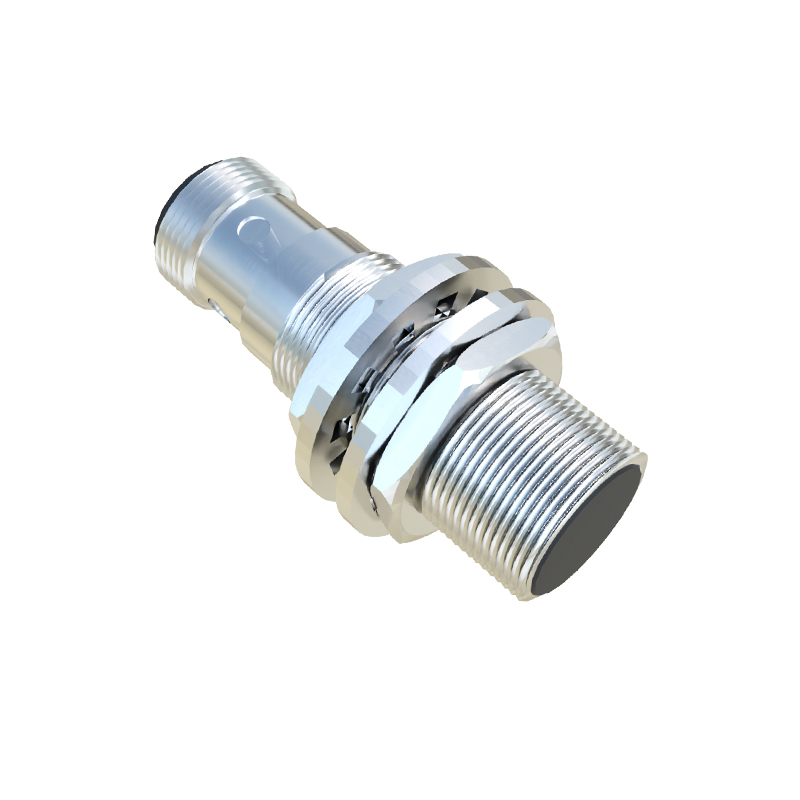
Installation and maintenance are straightforward with original equipment. Follow manufacturer guidelines for mounting, wiring, and calibration to optimize sensor performance. Regular inspections help identify wear or contamination, though genuine sensors typically feature robust designs that withstand industrial stresses. Additionally, many original sensors come with technical support and warranties, providing peace of mind for critical operations.
In summary, universal proximity sensors as original equipment are vital for achieving operational efficiency and safety in automation. Their adaptability and reliability make them indispensable tools across sectors. By prioritizing genuine products, users can ensure system integrity and maximize return on investment. As technology advances, these sensors continue to evolve, offering enhanced features like IoT connectivity for smarter industrial solutions.