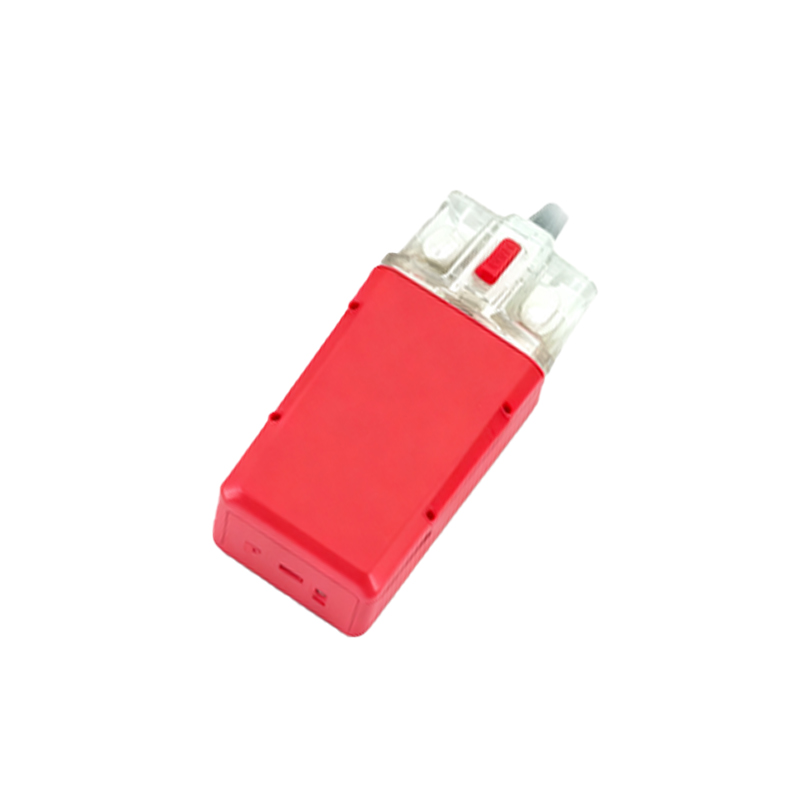
Proximity sensors are fundamental components in modern automation and electronics, designed to detect the presence or absence of an object within a specific range without physical contact. These devices operate on various principles, including inductive, capacitive, ultrasonic, and optical methods, each suited to different applications and environments. Inductive sensors, for instance, are ideal for detecting metallic objects by generating an electromagnetic field, while capacitive sensors can sense both metallic and non-metallic materials by measuring changes in capacitance. Ultrasonic sensors use sound waves to determine distance, and optical sensors rely on light beams, making them versatile for diverse industrial and consumer uses.
The importance of proximity sensors spans across multiple industries. In manufacturing, they enable precise control in assembly lines, robotics, and safety systems, ensuring efficient operations and preventing accidents. Automotive applications include parking assistance, collision avoidance, and engine management, enhancing vehicle safety and performance. In consumer electronics, these sensors are found in smartphones for screen activation, in home appliances for touchless controls, and in IoT devices for smart home automation. Their ability to provide reliable, non-contact detection reduces wear and tear, minimizes maintenance costs, and improves overall system longevity.
When selecting a proximity sensor, key factors to consider include sensing range, environmental conditions, material compatibility, and output type. For harsh environments with dust, moisture, or extreme temperatures, ruggedized sensors with high ingress protection ratings are essential. Additionally, digital or analog outputs must align with the control system requirements. Advances in technology have led to miniaturization, increased accuracy, and integration with wireless connectivity, paving the way for smarter, more responsive systems. As industries continue to embrace automation and IoT, proximity sensors will remain critical for enabling seamless interaction between machines and their surroundings, driving innovation in areas like autonomous vehicles, smart cities, and industrial 4.0.
Overall, proximity sensors represent a cornerstone of sensing technology, offering versatility, reliability, and efficiency. By understanding their types, applications, and selection criteria, engineers and designers can leverage these tools to optimize performance and foster technological progress in an increasingly automated world.