In the world of sensing technology, magnetic sensors and laser sensors represent two distinct and powerful classes of devices, each harnessing fundamental physical principles to measure, detect, and interact with the environment. While they may sometimes serve overlapping purposes, their core functionalities, operational mechanisms, and ideal applications differ significantly. Understanding these differences is crucial for engineers, designers, and technicians to select the optimal sensor for a given task.
Magnetic sensors are devices that detect and measure magnetic fields or changes in magnetic fields. Their operation is based on the interaction between a magnetic field and various magnetic materials or charge carriers. Common types include Hall-effect sensors, magnetoresistive sensors (like anisotropic magnetoresistance or giant magnetoresistance), and reed switches. A Hall-effect sensor, for instance, generates a voltage difference (the Hall voltage) across an electrical conductor when a magnetic field is applied perpendicular to the current flow. This voltage is proportional to the magnetic field strength. Magnetic sensors are inherently robust. They are typically non-contact, meaning they can detect a magnetic field or a magnetized target without physical interaction. This makes them highly reliable in harsh environments where dirt, dust, moisture, or vibration are present. They are largely immune to environmental factors like ambient light, color, or surface texture of the target. Their primary limitations often relate to the need for a magnetic field source (like a permanent magnet) and potential interference from stray magnetic fields. Common applications are ubiquitous: detecting the position of a car's camshaft or crankshaft for engine timing, sensing the open/closed state of a laptop lid or a smartphone flip cover, measuring current in electrical systems, and enabling contactless switching in industrial automation (e.g., detecting a cylinder position).
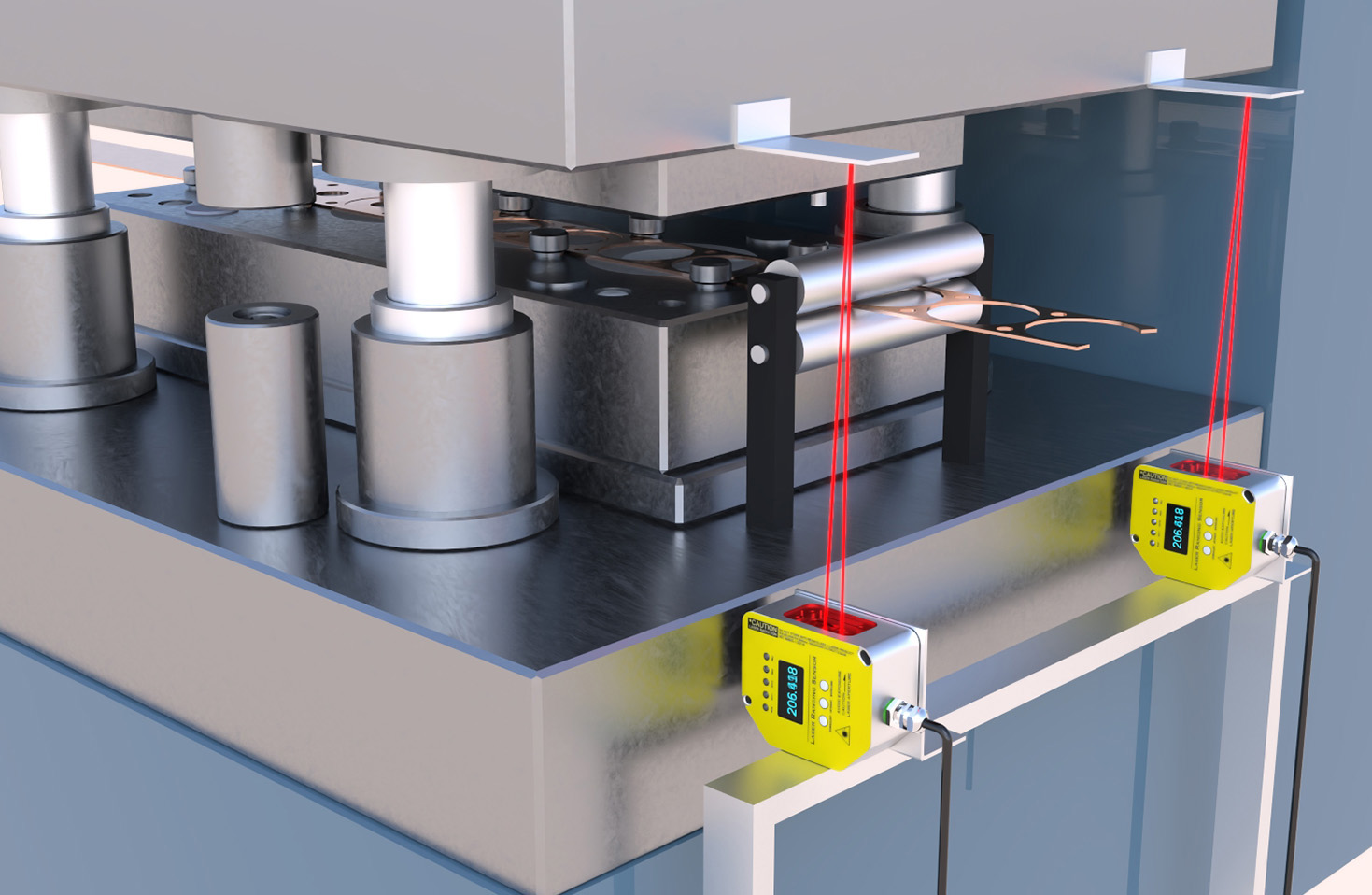
Laser sensors, on the other hand, utilize the properties of coherent light—laser beams. They operate primarily on principles of optical triangulation, time-of-flight, or interferometry. In a common setup, a laser diode emits a focused beam of light onto a target. The reflected light is captured by a receiver (like a position-sensitive detector or photodiode). By analyzing the position or the time delay of the reflected beam, the sensor can calculate precise measurements such as distance, displacement, height, or thickness. The key strengths of laser sensors are their exceptional precision, high resolution, and fast response times. They can perform measurements with micron-level accuracy over both short and long ranges. They are excellent for profiling, contour mapping, and detecting minute variations. However, their performance can be influenced by the target's surface properties. Transparent, shiny, or highly reflective surfaces can scatter or poorly reflect the laser beam, leading to measurement errors. Environmental conditions like dust, fog, or strong ambient light (including other lasers) can also interfere with the signal. Typical applications leverage this precision: quality control on production lines (measuring component dimensions, checking fill levels in bottles), alignment and guidance in robotics, vibration analysis, and high-accuracy distance measurement in surveying or logistics.
The choice between a magnetic sensor and a laser sensor hinges on the specific requirements of the application. For tasks demanding extreme precision, detailed profiling, or long-range measurement of physical dimensions, laser sensors are often the superior choice. In contrast, for robust, cost-effective, and reliable detection of presence, position, or motion in challenging industrial environments—especially where the target can be equipped with a simple magnet—magnetic sensors are unparalleled. For example, counting revolutions on a rotating shaft in a dirty factory would be ideal for a magnetic encoder, while measuring the exact thickness of a silicon wafer in a cleanroom would necessitate a laser micrometer.
In conclusion, both magnetic and laser sensors are indispensable tools in modern engineering and automation. They are not direct competitors but rather complementary technologies, each excelling in its own domain. The magnetic sensor offers durability and simplicity for detection in tough conditions, while the laser sensor provides unparalleled accuracy for precise metrology. A clear understanding of their respective principles, advantages, and limitations is the first step toward implementing efficient, reliable, and innovative sensing solutions across countless industries, from automotive manufacturing to consumer electronics and advanced robotics.