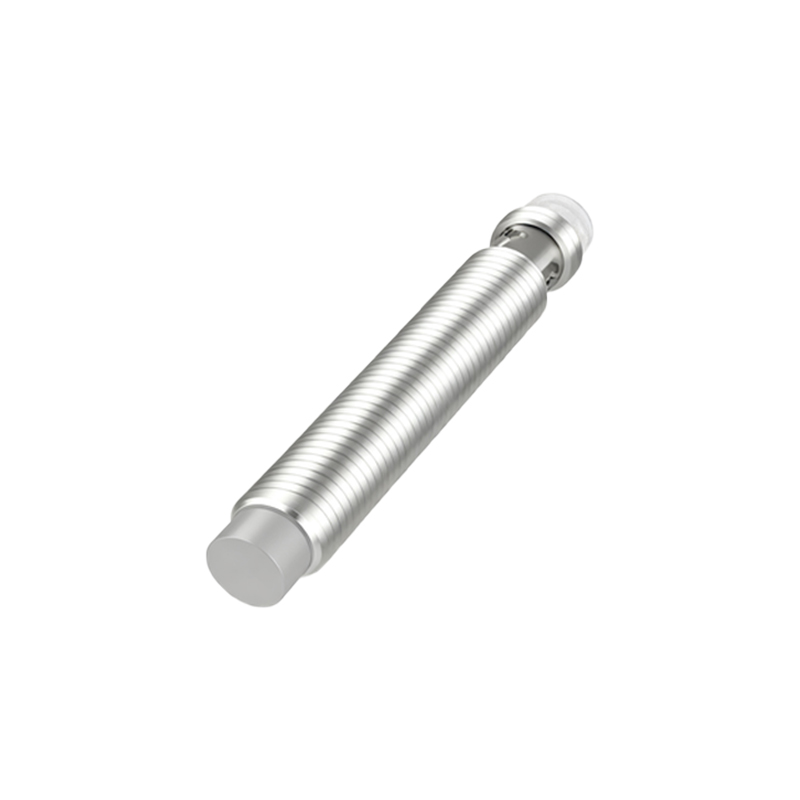
In the realm of industrial automation and robotics, the ability to detect and measure the contours of objects with high accuracy is paramount. Proximity sensors designed for contour detection, often referred to as contour proximity sensors, have emerged as critical components in achieving this goal. These specialized sensors enable machines to "sense" the shape, edges, and surface variations of an object without physical contact, facilitating precise control and inspection in dynamic environments.
Contour proximity sensors operate on various principles, with inductive, capacitive, and optical methods being the most prevalent. Inductive sensors are ideal for detecting metallic objects, generating an electromagnetic field that is disturbed by the presence of a metal surface, thereby revealing its contour. Capacitive sensors, on the other hand, can detect both metallic and non-metallic materials by sensing changes in capacitance caused by the object's proximity. Optical sensors, including laser and infrared types, use light beams to map contours with exceptional resolution, often employed in high-precision applications like quality assurance and reverse engineering.
The integration of these sensors into automated systems offers numerous advantages. Firstly, they significantly reduce the risk of damage to both the sensor and the target object, as non-contact measurement eliminates wear and tear. This leads to enhanced durability and lower maintenance costs. Secondly, contour proximity sensors provide real-time feedback, allowing for immediate adjustments in manufacturing processes such as assembly, welding, or painting. For instance, in automotive production lines, sensors ensure that robotic arms apply sealants precisely along door edges, improving product consistency and safety.
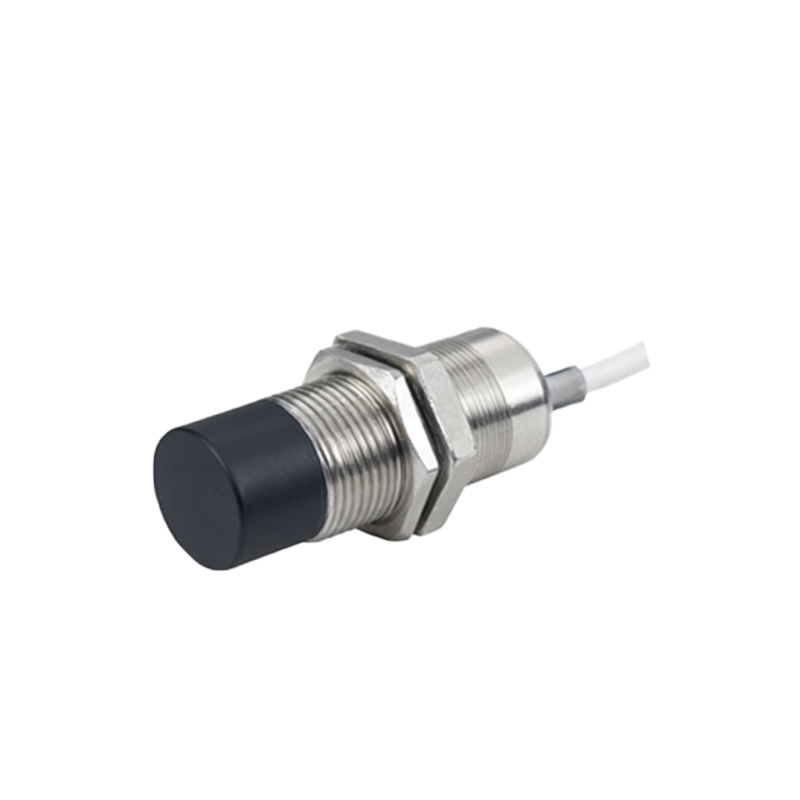
Moreover, advancements in sensor technology have led to the development of smart contour proximity sensors equipped with embedded microprocessors. These intelligent devices can process data on-site, perform self-diagnostics, and communicate seamlessly with programmable logic controllers (PLCs) or industrial networks. This capability supports the implementation of Industry 4.0 initiatives, where interconnected systems leverage data for predictive maintenance and optimized operations. For example, in packaging industries, sensors detect irregular container shapes, triggering reject mechanisms to maintain quality standards.
Despite their benefits, selecting the right contour proximity sensor requires careful consideration of factors like sensing range, environmental conditions, and material properties. In harsh settings with dust, moisture, or temperature fluctuations, robust housings and appropriate ingress protection (IP) ratings are essential. Additionally, calibration is crucial to ensure accuracy, as misalignment can lead to measurement errors affecting overall system performance.
Looking ahead, the future of contour proximity sensors is intertwined with trends like miniaturization and enhanced connectivity. Emerging applications in fields such as medical devices, where sensors guide surgical tools along tissue contours, or in consumer electronics for gesture recognition, highlight their expanding role. As industries continue to prioritize efficiency and precision, contour proximity sensors will remain indispensable tools, driving innovation in automation and beyond. By understanding their functionalities and applications, engineers and technicians can harness these devices to solve complex challenges, ultimately contributing to smarter, more responsive technological ecosystems.