In today's automated and safety-conscious industrial landscape, proximity sensors are indispensable components. These non-contact devices detect the presence or absence of an object within a defined range, triggering actions in machinery, robotics, and countless control systems. A common and critical question for engineers, procurement specialists, and project managers is: "What determines the cost of a proximity sensor?" The price is not a single figure but a spectrum influenced by a confluence of technical specifications, performance requirements, and market dynamics.
At the core of cost differentiation lies the sensing technology. Inductive proximity sensors, which detect metallic objects, are generally the most economical for standard industrial applications. Capacitive sensors, capable of detecting both metallic and non-metallic materials like wood, plastic, or liquids, typically come at a moderate price increase due to their more complex circuitry. For longer ranges or precise position detection of both metallic and non-metallic objects, ultrasonic sensors are employed, commanding a higher price point. The most advanced and often most expensive are photoelectric sensors, which use light beams and offer the longest sensing distances and highest precision, with variations like diffuse, retro-reflective, and through-beam models each having different cost implications.
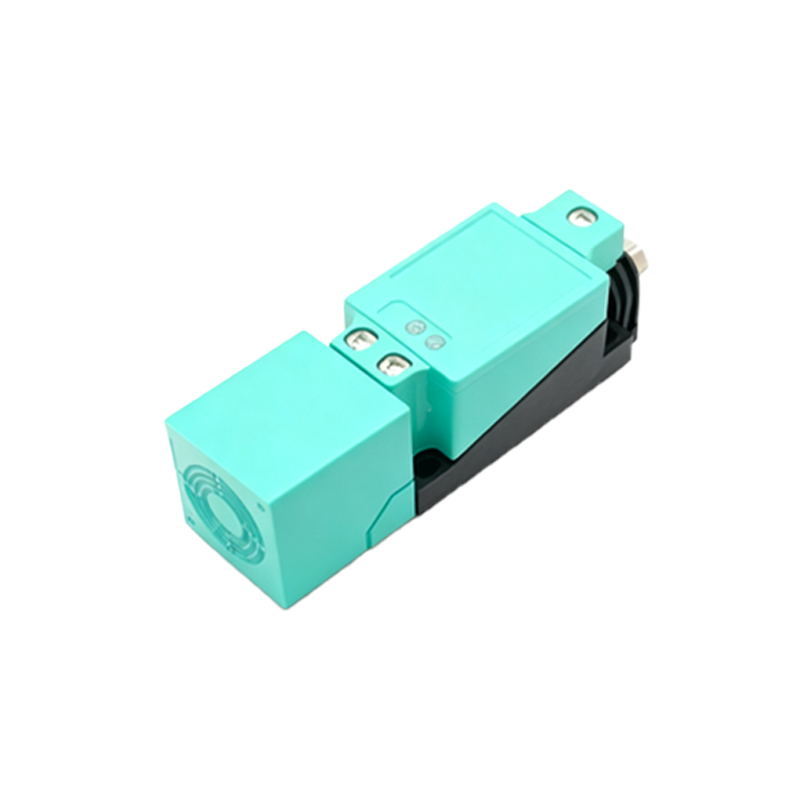
Beyond the core technology, performance specifications drastically affect the price. Sensing range is a primary factor; a sensor with a 2mm range will cost significantly less than one with a 20mm or 100mm range, as achieving greater distance requires more powerful and precise components. The sensor's housing material is another key determinant. Standard plastic or nickel-plated brass housings are cost-effective, while sensors designed for harsh environments—featuring stainless steel (particularly V4A/AISI 316L), PPS plastic, or specialized coatings for extreme temperatures, corrosive chemicals, or high-pressure washdowns—carry a substantial premium.
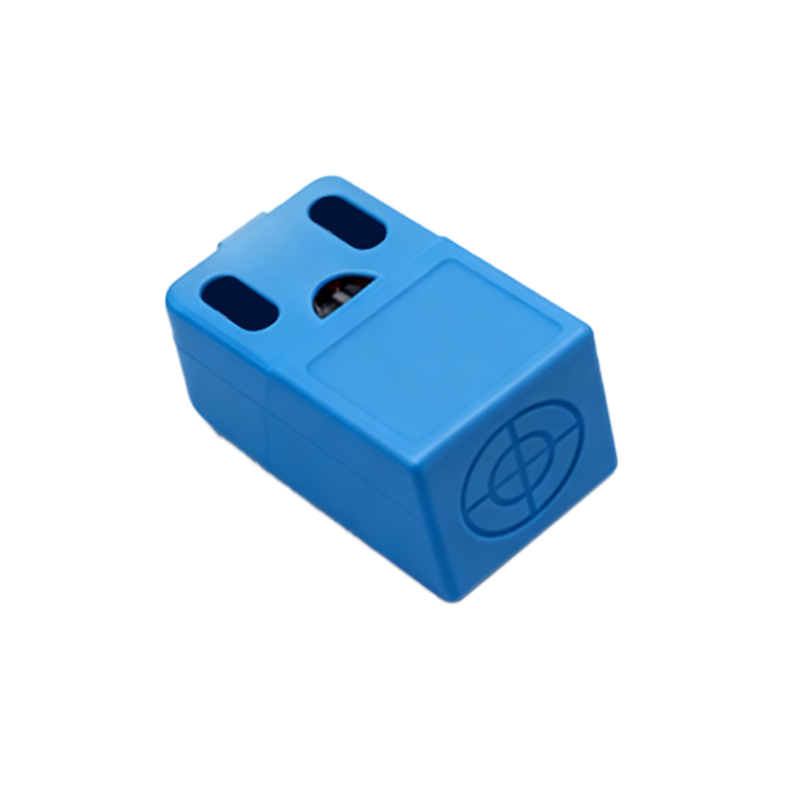
Output configuration and wiring also contribute to the cost structure. Basic two-wire DC sensors are simpler and less expensive. Three-wire DC (NPN or PNP) and four-wire (dual-output) sensors offer more flexible integration with programmable logic controllers (PLCs) and are moderately priced. Analog output or IO-Link enabled sensors, which provide continuous distance data and advanced diagnostics for Industry 4.0 applications, represent the higher end of the cost spectrum due to their embedded intelligence and communication capabilities.
Form factor and mounting style influence manufacturing complexity. Standard cylindrical shapes (e.g., M8, M12, M18, M30 threads) are mass-produced and offer the best value. Rectangular, slot-style, or ring-shaped sensors require specialized tooling and lower production volumes, increasing unit cost. Furthermore, certifications for safety and industry compliance, such as ATEX/IECEx for hazardous areas, SIL for functional safety, or IP ratings for ingress protection, add layers of testing, documentation, and liability, which are reflected in the price.
The brand and supply chain play undeniable roles. Established global manufacturers with extensive R&D, quality control, and worldwide distribution networks often price their sensors higher, justified by proven reliability, longevity, and technical support. Conversely, generic or budget brands may offer lower upfront costs but can pose risks regarding consistency, lifespan, and availability. Quantity is a universal lever; unit price drops considerably with volume purchases due to economies of scale in manufacturing and logistics.
Finally, consider the total cost of ownership (TCO), not just the purchase price. A slightly more expensive sensor with a longer mean time between failures (MTBF), higher environmental resistance, and easier integration can prevent costly production downtime, maintenance labor, and premature replacement. Consulting directly with sensor specialists or distributors is highly recommended. Providing detailed application parameters—target material, required range, environmental conditions, output needs, and mounting constraints—allows them to recommend the most cost-effective solution that ensures system reliability and performance.