In the world of automation and smart devices, proximity sensors are the silent workhorses enabling countless functionalities. These devices detect the presence or absence of an object within a specific range without any physical contact. Their ability to provide reliable, non-contact sensing makes them indispensable in industries ranging from manufacturing to consumer electronics. Understanding how they work and how to choose the right one is crucial for engineers, hobbyists, and procurement specialists alike.
The core principle behind a proximity sensor is simple: it emits a field or beam and looks for changes in the field or return signal. The most common types are inductive, capacitive, ultrasonic, and photoelectric sensors, each with distinct operating principles and ideal use cases.
Inductive proximity sensors are the champions of metal detection. They generate an electromagnetic field. When a metallic object enters this field, it induces eddy currents within the metal, causing a change in the sensor's oscillation amplitude. This change triggers the sensor's output switch. These sensors are robust, resistant to environmental factors like dust and oil, and are perfect for high-speed counting of metal parts or determining the position of a machine component. However, they only detect metals, with ferrous metals like iron and steel typically offering the longest sensing range.
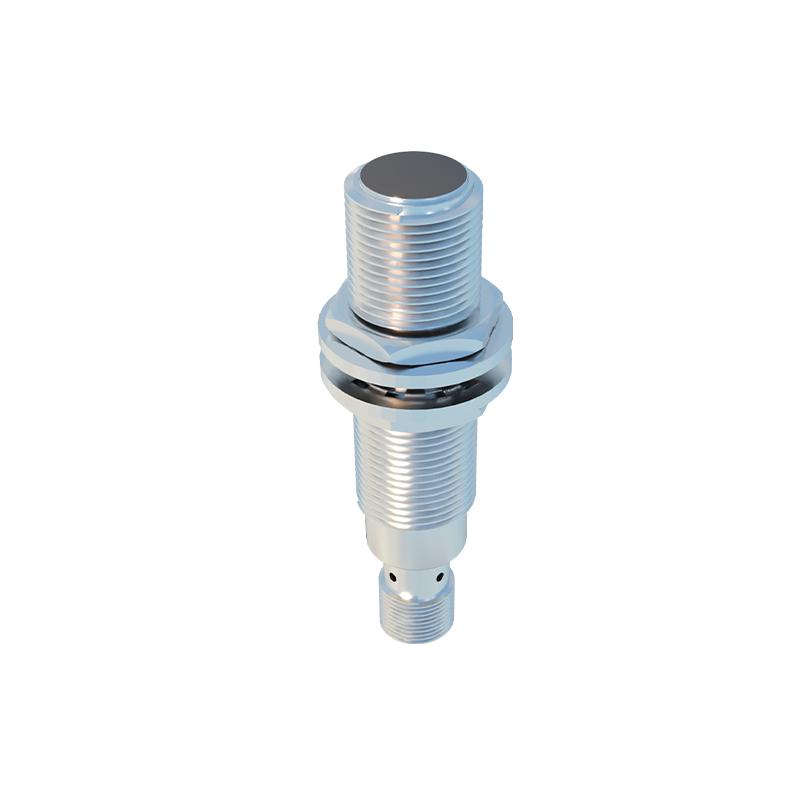
For non-metallic materials, capacitive proximity sensors step in. They function similarly to inductive sensors but generate an electrostatic field instead. Any object that enters this field—be it plastic, wood, liquid, or even a human hand—alters the capacitance of the system, triggering detection. This makes them versatile for applications like liquid level detection in tanks, material handling for plastics, or touch-sensitive interfaces. Their sensitivity can often be adjusted, but they can be influenced by environmental factors like humidity.
When longer ranges or detection of complex objects is needed, photoelectric sensors are a top choice. They operate by emitting a beam of light (usually infrared, visible red, or laser) and detecting its reflection or interruption. They come in three main configurations: through-beam (separate emitter and receiver), retro-reflective (bounces light off a reflector), and diffuse (reflects light directly off the target object). Through-beam offers the longest range and highest reliability, while diffuse sensors are simpler to install. They excel in packaging lines, conveyor systems, and safety curtains.

Ultrasonic sensors use sound waves beyond human hearing. They emit ultrasonic pulses and measure the time it takes for the echo to return. This time-of-flight measurement allows them to detect objects regardless of material, color, or transparency, and they can often provide distance information. They are ideal for challenging environments with dust, fog, or where optical sensors might fail, such as in bulk material level sensing or parking assistance systems.
Selecting the right proximity sensor requires careful consideration of several key parameters. First, define the target material. Is it metal, plastic, liquid, or something else? This immediately narrows down your type choice (inductive for metal, capacitive or others for non-metal). Next, consider the required sensing distance or range. Always check the sensor's rated operating distance and factor in a safety margin; do not operate at the absolute maximum limit. The sensor's housing is also critical—cylindrical sensors are common, but rectangular or slot-style housings might be needed for specific mounting situations. The housing material (often nickel-plated brass or stainless steel) must withstand the environment, including exposure to chemicals, washdowns, or physical impact.
Output type is another vital decision. Two-wire DC sensors are simple to wire but may have a small residual current when off. Three-wire DC sensors (NPN or PNP) are the most common, offering clear switching states. Analog outputs (4-20mA or 0-10V) are used when continuous distance information is needed, not just an on/off signal. Finally, consider the electrical requirements: operating voltage (e.g., 10-30V DC) and current rating must match your control system.
For successful installation, ensure the sensor is mounted securely and without vibration. Be mindful of the sensing field's shape and size; objects outside the intended axis can sometimes cause false triggers, a phenomenon known as "shielding" for inductive sensors. Always follow the manufacturer's guidelines for mounting clearances, especially for flush-mounted inductive sensors, which require metal-free zones around the sensing face to achieve their rated range.
In application, these sensors form the backbone of modern systems. In automotive assembly, inductive sensors verify the presence of engine blocks. In a smartphone, a capacitive or infrared proximity sensor turns off the screen during a call to save power and prevent accidental touches. In food and beverage plants, capacitive sensors monitor fluid levels in opaque containers, while ultrasonic sensors manage inventory in silos.
Regular maintenance, though minimal, involves keeping the sensing face clean and free from buildup that could impair function, especially for optical and capacitive