In today's automated industrial landscape, proximity sensors are indispensable components. They detect the presence or absence of objects without physical contact, playing a critical role in manufacturing, automotive assembly, packaging, and countless other applications. For engineers, procurement specialists, and business owners, understanding the price landscape is crucial for budgeting and selecting the right sensor for the job. This guide provides a detailed ranking and analysis of proximity sensor prices, breaking down the cost factors by technology, brand, and features.
The price of a proximity sensor is not a single figure but a spectrum influenced by several core factors. The primary determinant is the sensing technology. Inductive sensors, used for detecting metallic objects, are generally the most affordable, with basic shielded models starting as low as $15 to $30 USD. Capacitive sensors, which can detect both metallic and non-metallic materials like plastic, wood, or liquids, typically command a higher price, ranging from $25 to $60 for standard units. Ultrasonic sensors, offering longer ranges and the ability to detect various materials regardless of color or transparency, sit in a higher tier, often costing between $50 and $150. Photoelectric sensors, with their versatile through-beam, retro-reflective, and diffuse sensing modes, have a very broad price range from $30 to over $200, depending on complexity and range.
Beyond technology, brand reputation significantly impacts cost. Established global leaders like Sick, Omron, Pepperl+Fuchs, and Balluff occupy the premium segment. Their sensors are renowned for exceptional reliability, durability, advanced diagnostics, and robust construction suitable for harsh environments. A standard inductive sensor from these brands can range from $40 to $100. The mid-range market is populated by strong contenders like Autonics, Panasonic, and Keyence (though Keyence often leans premium), offering an excellent balance of performance and cost, with prices typically 20-30% lower than the top-tier brands. The economy segment features brands like Schneider Electric's range, Carlo Gavazzi, and various OEM suppliers, providing basic, functional sensors starting from $15, ideal for non-critical applications with tight budgets.
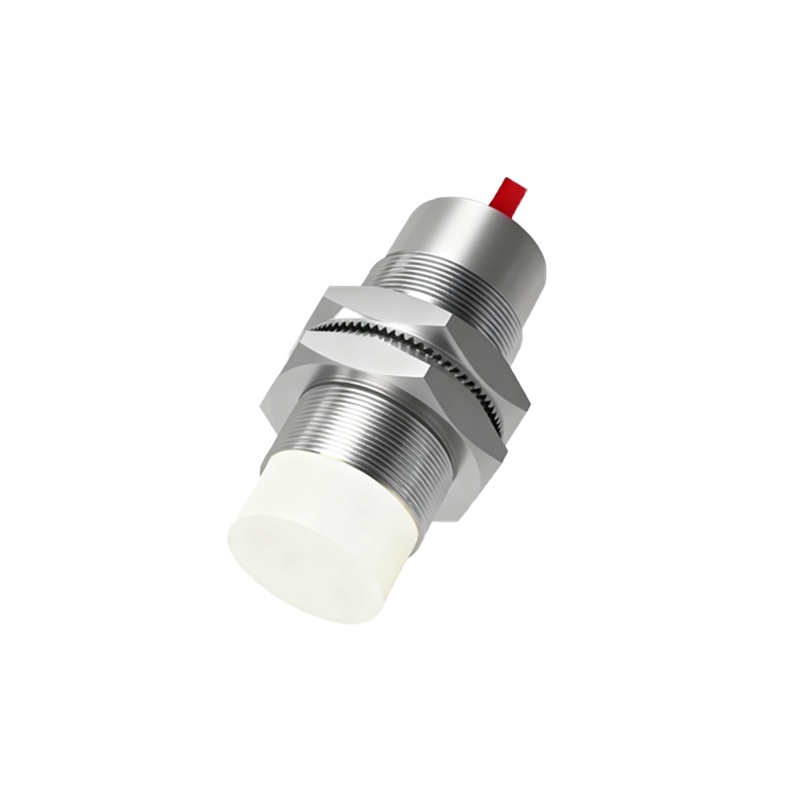
Specific features and specifications can cause prices to double or triple within the same technology category. Sensing range is a key driver; a 2mm range inductive sensor is far cheaper than one with a 15mm range. Housing material matters—stainless steel or nickel-plated brass housings cost more than standard PBT plastic. Output type (PNP vs. NPN, analog, IO-Link) adds complexity and cost. Sensors with advanced IO-Link communication for data-rich Industry 4.0 applications are at the top of the price pyramid. Environmental ratings are critical; a sensor with an IP67 rating (dust-tight and waterproof) will be more expensive than one with IP65, and those rated for washdown (IP69K) or hazardous areas carry a substantial premium.
So, what does a practical price ranking look like for a common application? Let's consider a standard M18 inductive sensor with a 8mm sensing range, PNP NO output, and IP67 rating.
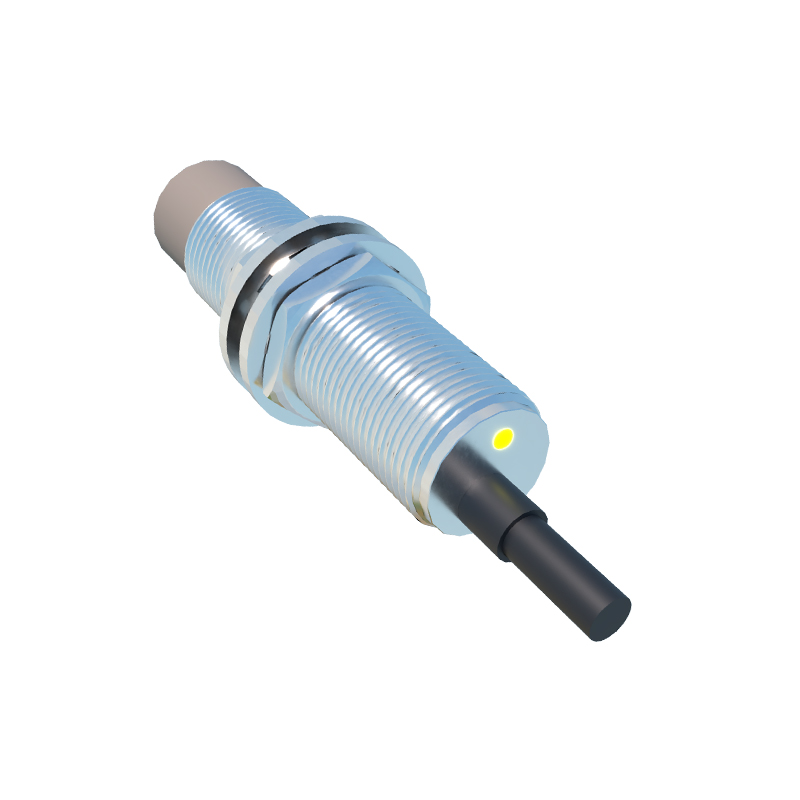
Economy Tier ($15 - $35): Basic models from generic or value-focused brands. Perfect for prototyping, light-duty machinery, or cost-sensitive projects where extreme longevity is not the primary concern.
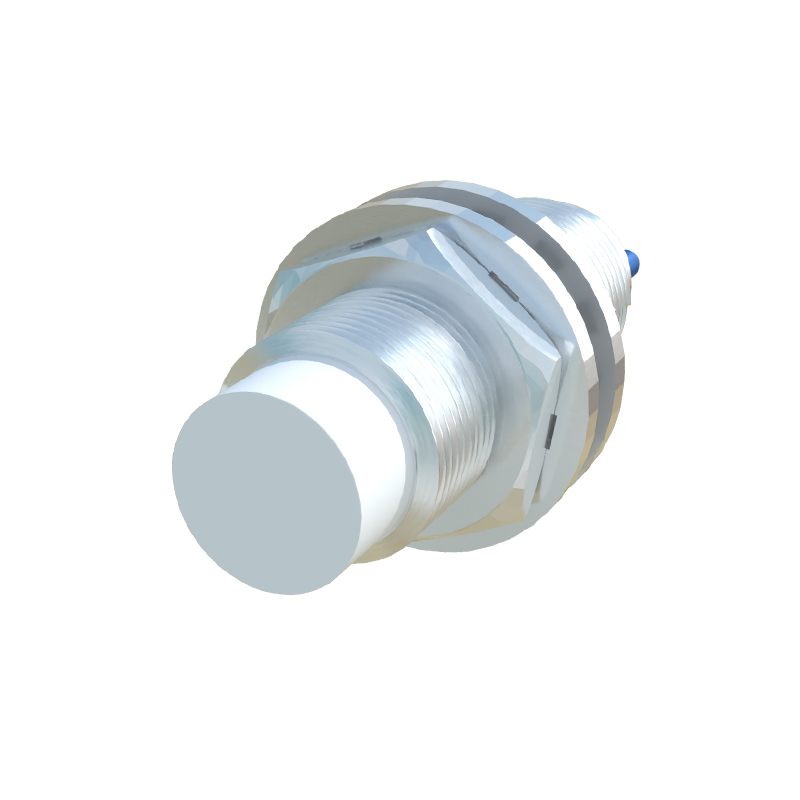
Mid-Range Tier ($35 - $70): Sensors from reliable mid-market brands and the entry-level models from premium manufacturers. This tier offers the best value for most industrial applications, providing strong performance, good availability, and adequate technical support.
Premium Tier ($70 - $150+): Top-of-the-line models from Sick, Pepperl+Fuchs, etc. These are built for maximum reliability in 24/7 operation, extreme temperatures, heavy vibration, or corrosive environments. The investment is justified by minimizing costly downtime.
When evaluating price, always consider the Total Cost of Ownership (TCO). A cheaper sensor that fails prematurely can cause production stoppages costing thousands per hour. Factors like mean time between failures (MTBF), warranty length, ease of installation, and availability of local technical support are intangible costs baked into the price of a quality sensor. For high-volume procurement, direct negotiation with distributors or manufacturers can yield significant discounts off the list price.
In conclusion, there is no single "best" price point. The optimal choice hinges on a clear analysis of your application requirements. Define the object material, required sensing distance, environmental conditions, needed output, and required durability. By aligning these needs with the technology and brand tiers outlined above, you can make an informed purchasing decision that balances upfront cost with long-term operational reliability, ensuring your automation systems run smoothly and efficiently.