Proximity sensors are integral components in modern automation and electronic systems, designed to detect the presence or absence of objects within a specific range without physical contact. Their working state refers to the operational condition where the sensor actively monitors its environment and responds to detected objects. Typically, these sensors operate based on principles such as electromagnetic fields, infrared light, or ultrasonic waves, depending on the type. For instance, inductive proximity sensors generate an electromagnetic field and detect changes caused by metallic objects, while capacitive sensors respond to both metallic and non-metallic materials by measuring changes in capacitance.
In a standard working state, a proximity sensor remains in a standby mode until an object enters its detection range. Upon detection, the sensor triggers an output signal—often a switch or digital signal—that can be used to control machinery, activate alarms, or initiate other processes. The reliability of this state depends on factors like sensor calibration, environmental conditions, and power supply stability. For example, in industrial settings, sensors must be shielded from interference like dust, moisture, or electromagnetic noise to maintain accuracy. Regular maintenance, including cleaning and testing, ensures the sensor remains in an optimal working state, minimizing false triggers or failures.
The working state of proximity sensors is characterized by key parameters such as sensing distance, response time, and repeatability. Sensing distance defines how far the sensor can detect an object, while response time measures how quickly it reacts to changes. Repeatability ensures consistent performance over multiple cycles. Advanced sensors may include self-diagnostic features to monitor their own health, alerting users to issues like wear or misalignment. In applications like automotive systems, proximity sensors in parking assist systems continuously scan for obstacles, switching between active and idle states based on vehicle speed and user input.
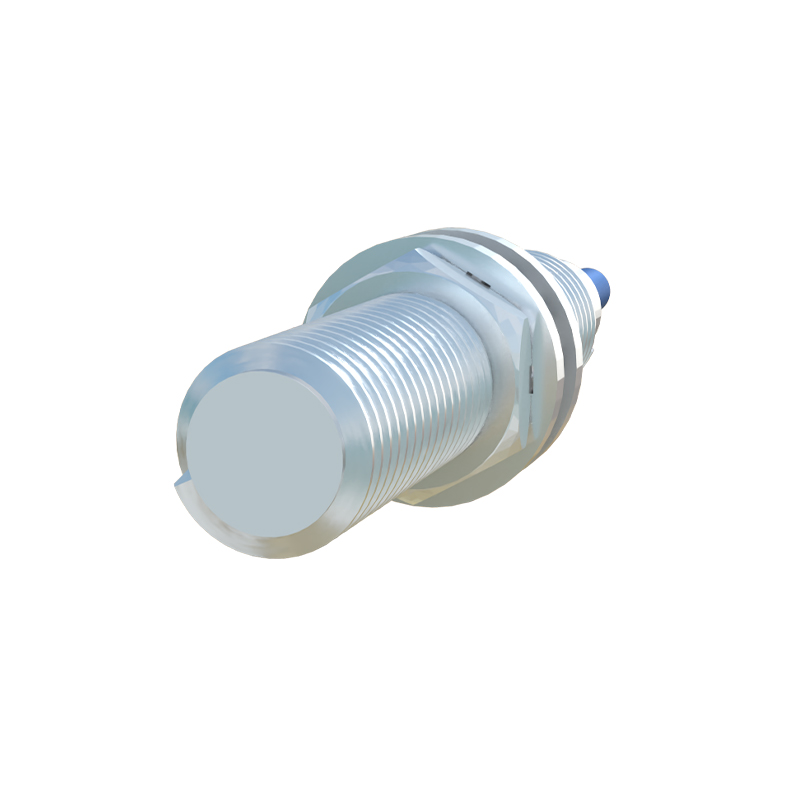
To optimize the working state, users should follow manufacturer guidelines for installation and operation. This includes proper alignment, avoiding overloading, and using compatible accessories. In summary, the working state of a proximity sensor is a dynamic condition where it performs its detection function efficiently, contributing to safety, efficiency, and automation across industries from manufacturing to consumer electronics.