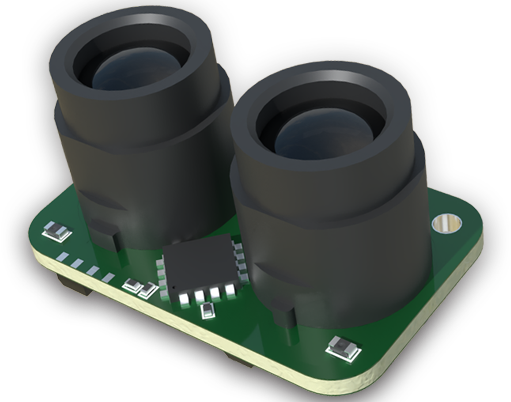
The global laser sensor market is witnessing unprecedented competition, driven by a surge in demand across automation, automotive, and consumer electronics sectors. This intense rivalry is no longer just about who can produce the most accurate beam; it's a multifaceted battle encompassing technological innovation, cost efficiency, miniaturization, and smart integration. Established giants and agile startups are locked in a race to redefine the boundaries of what these critical components can achieve.
At the heart of this competition is the relentless push for higher precision and resolution. Applications like autonomous vehicle LiDAR, advanced robotics for micro-assembly, and high-speed quality inspection on production lines require sensors that can detect minute changes in distance, position, or profile with sub-micron accuracy. Companies are investing heavily in refining time-of-flight (ToF) and triangulation methods, developing novel laser sources, and creating more sophisticated signal processing algorithms to filter out noise and environmental interference. The goal is to deliver not just raw data, but reliable, actionable information in real-time.
Simultaneously, the drive for miniaturization and power efficiency is creating a new competitive front. The proliferation of mobile devices, wearable technology, and compact IoT sensors demands laser components that are smaller, lighter, and consume less power. This challenges manufacturers to redesign core elements, often integrating photonics and electronics on a single chip. Success in this area opens doors to vast new markets, making miniaturization a key differentiator between competing product lines.
Integration and intelligence have become the latest battleground. A standalone laser sensor is increasingly seen as a commodity. The premium value now lies in sensors that are part of a smarter system. Competitors are focusing on embedding microprocessors and AI-driven edge computing capabilities directly into the sensor housing. This allows for on-device data analysis, predictive maintenance alerts, and adaptive calibration. Sensors that can communicate seamlessly via industrial protocols like IO-Link or wirelessly over 5G provide a significant advantage, simplifying system architecture and reducing total cost of ownership for end-users.
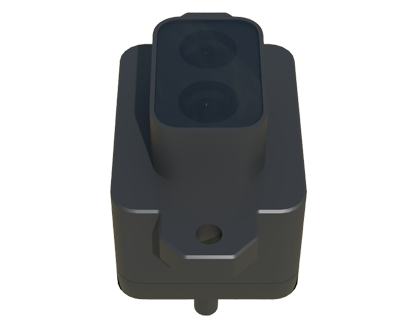
The competitive landscape is also shaped by cost pressures, particularly in high-volume industries like automotive and consumer electronics. While performance is paramount, achieving it at a scalable, economical price point is the ultimate challenge. This has led to strategic shifts in manufacturing, with increased adoption of automated production and a focus on design-for-manufacturability. Some companies are competing by offering modular sensor platforms, allowing customers to choose and pay for only the features they need.
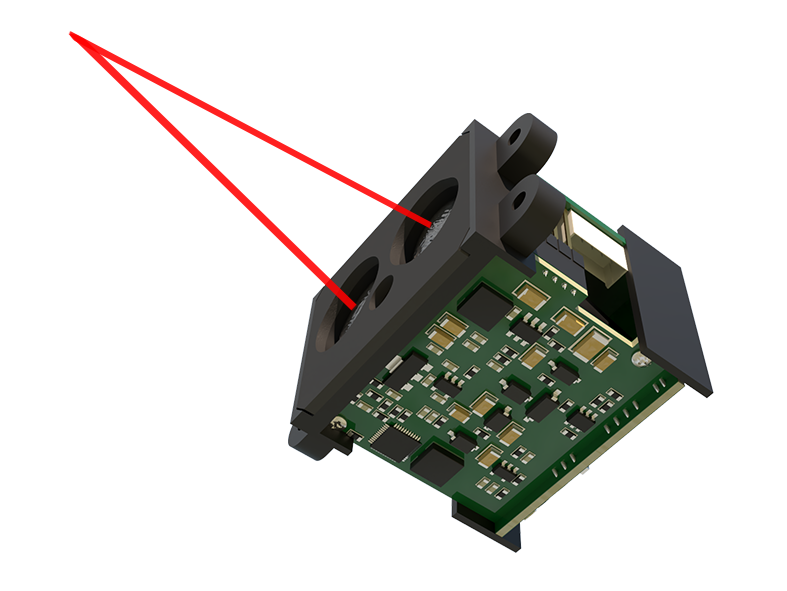
Furthermore, the application scope is broadening, forcing companies to specialize or diversify. A firm excelling in long-range LiDAR for highways may struggle with the different requirements of a short-range sensor for a collaborative robot's safety curtain. Consequently, we see both focused strategies, where companies dominate niche applications, and broad-based approaches from larger corporations offering extensive portfolios. Partnerships between laser sensor specialists and larger automation solution providers are becoming common, blending deep technical expertise with global sales and support networks.
Looking ahead, the competition will only intensify with emerging trends like quantum sensing and frequency-modulated continuous-wave (FMCW) LiDAR, which promise another leap in performance. Regulatory standards for safety and emissions also play a role, adding another layer to the competitive dynamic. The winners in this fierce marketplace will be those who can successfully balance the triad of cutting-edge performance, robust and compact design, and compelling cost-effectiveness, all while making their sensors an integral, intelligent part of the connected digital ecosystem.