In the realm of industrial automation and precision control, the U-shaped photoelectric sensor stands as a fundamental and versatile component. Its distinct physical configuration and reliable operation make it a preferred choice for countless detection and measurement tasks. Unlike through-beam or retro-reflective sensors, the U-shaped sensor integrates both the light emitter and the receiver into a single, compact housing shaped like the letter "U". This design creates a fixed, precise detection gap, offering unique advantages in various applications.
The core working principle is elegantly simple. The emitter, typically an infrared or visible light LED, projects a continuous or modulated light beam directly across the gap to the receiver, which is a phototransistor or photodiode. When no object is present within the sensing gap, the light beam reaches the receiver uninterrupted, keeping the sensor's output in its normal state (either ON or OFF, depending on the logic). The critical moment occurs when an opaque object passes through the U-shaped gap. The object physically interrupts the light beam. This interruption is instantly detected by the receiver, causing the sensor's electronic circuitry to switch its output state. This clear, binary signal—beam present or beam blocked—forms the basis for detection.
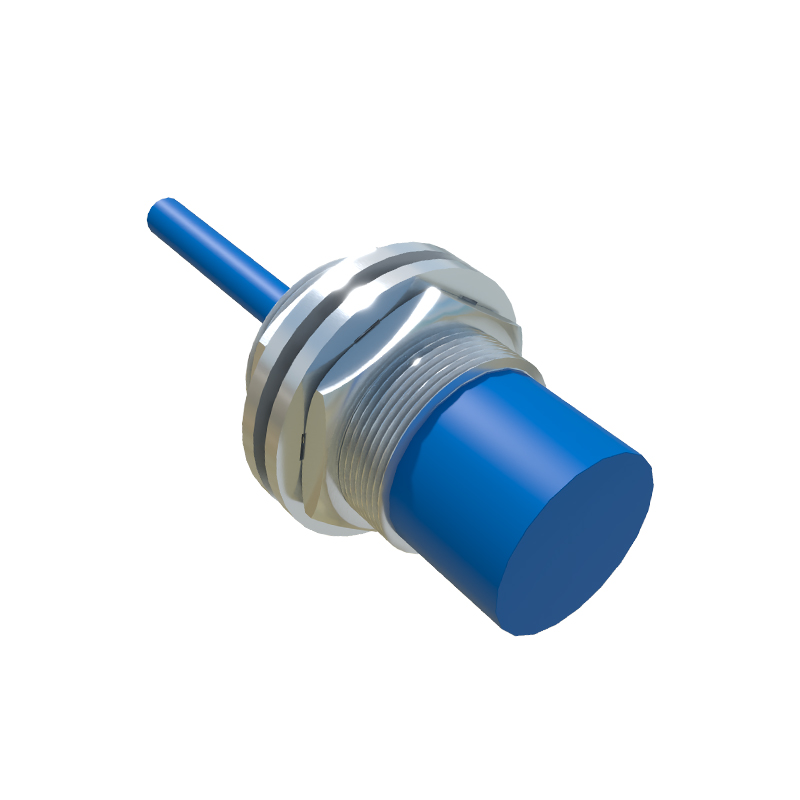
This principle grants U-shaped photoelectric sensors several key characteristics. First, they offer high positional accuracy and repeatability because the beam path is fixed and short. There is no need for alignment during installation, which significantly reduces setup time and eliminates errors associated with aligning separate emitter and receiver units. Second, they are generally immune to environmental factors like color, reflectivity, or surface texture of the target object. Since detection relies solely on beam interruption, the sensor will reliably detect a black rubber piece as effectively as a shiny metal component, provided both are opaque enough to block the light. Third, they can achieve very high switching speeds, capable of detecting small, fast-moving objects, making them ideal for counting and high-speed inspection tasks.
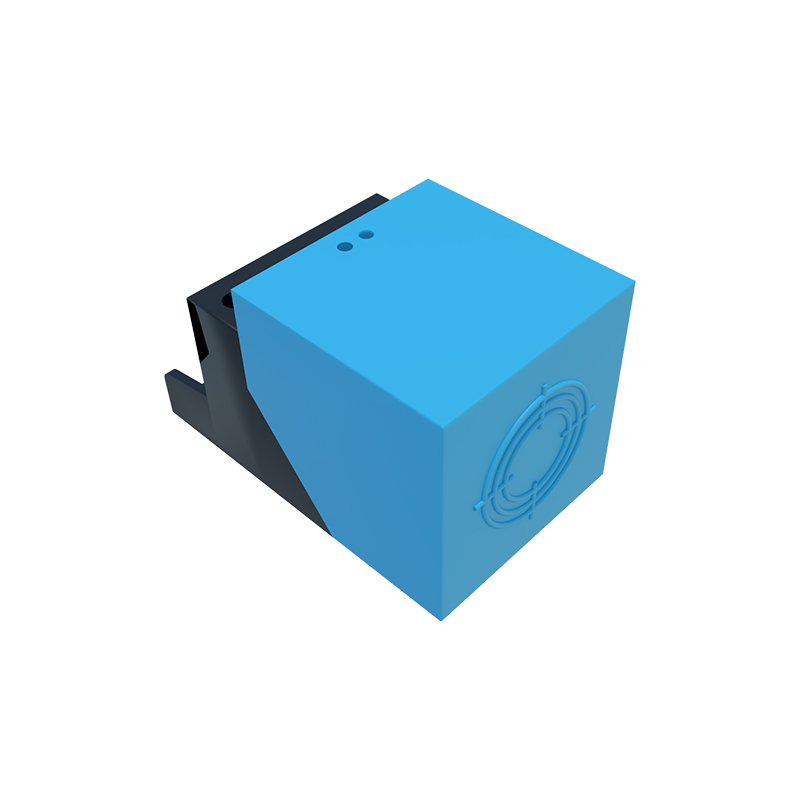
The applications for U-shaped photoelectric sensors are extensive across diverse industries. In packaging and material handling, they are ubiquitous for object detection on conveyor belts, checking for the presence of boxes, bottles, or products. They are perfect for counting items as they break the beam on a production line. In the automotive sector, they are used for precise position sensing in assembly robots, detecting the presence of parts like pistons or gears. Within printing and paper processing machinery, they serve as accurate paper edge detection sensors or for monitoring paper jams. They are also commonly found in vending machines to confirm product dispensing and in automated doors as safety curtains to prevent closing when an object is in the doorway.
When selecting a U-shaped photoelectric sensor for a specific task, several parameters require careful consideration. The sensing gap width is paramount; it must be wide enough to accommodate the expected target object but not so large as to compromise sensitivity or allow smaller unwanted objects to pass undetected. The response time dictates how fast the sensor can detect an object and switch its output, which is critical for high-speed lines. Output configuration (e.g., NPN/PNP transistor, relay) must be compatible with the connected controller (PLC, relay, etc.). Environmental robustness is also crucial; many industrial models feature rugged housings with high Ingress Protection (IP) ratings to withstand dust, moisture, and mechanical vibration.
In summary, the U-shaped photoelectric sensor is a robust, straightforward, and highly effective solution for through-beam detection. Its integrated, pre-aligned design ensures reliability and ease of use, while its insensitivity to target surface properties provides consistent performance. From simple presence detection to complex high-speed counting, this sensor type forms an indispensable link in the chain of modern automated systems, providing the essential "eyes" that enable precise control and monitoring.